

Stop the Shorts: Why Your Outdoor Heaters Keep Dying
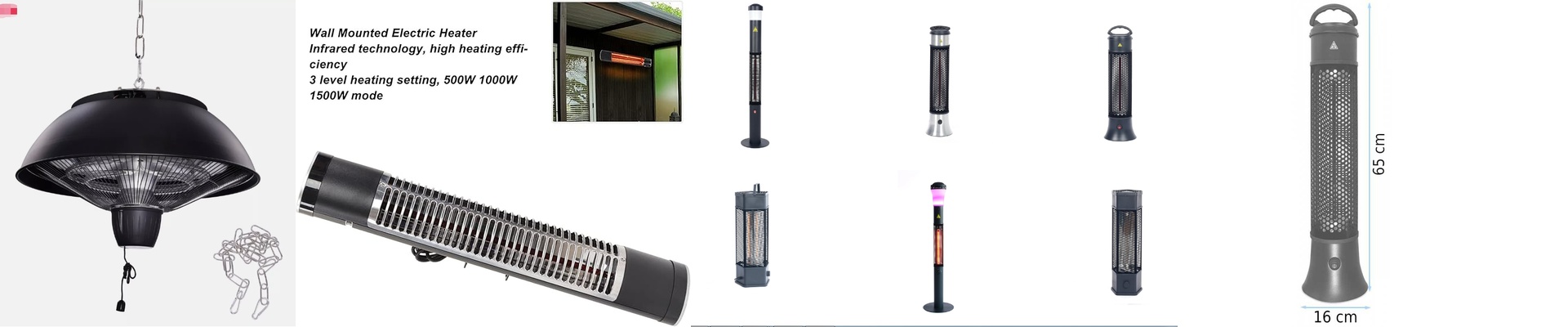
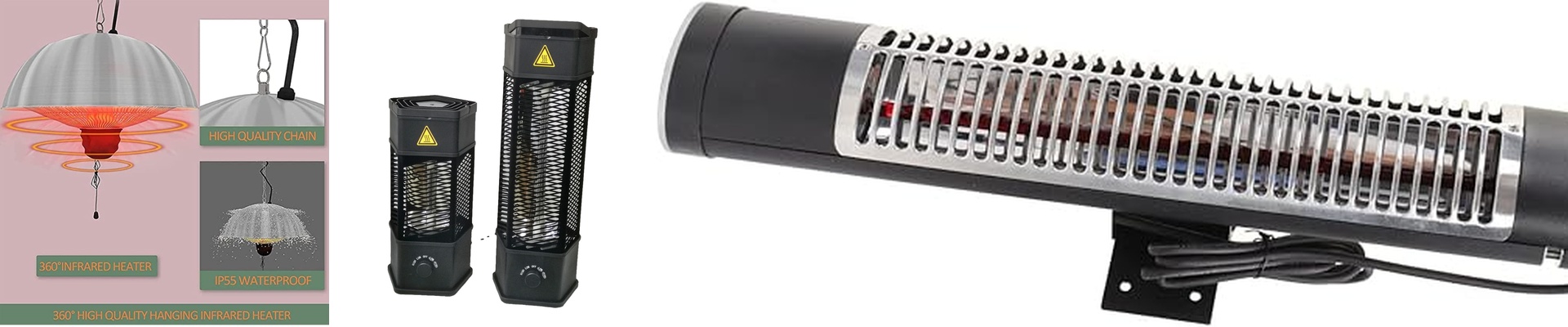
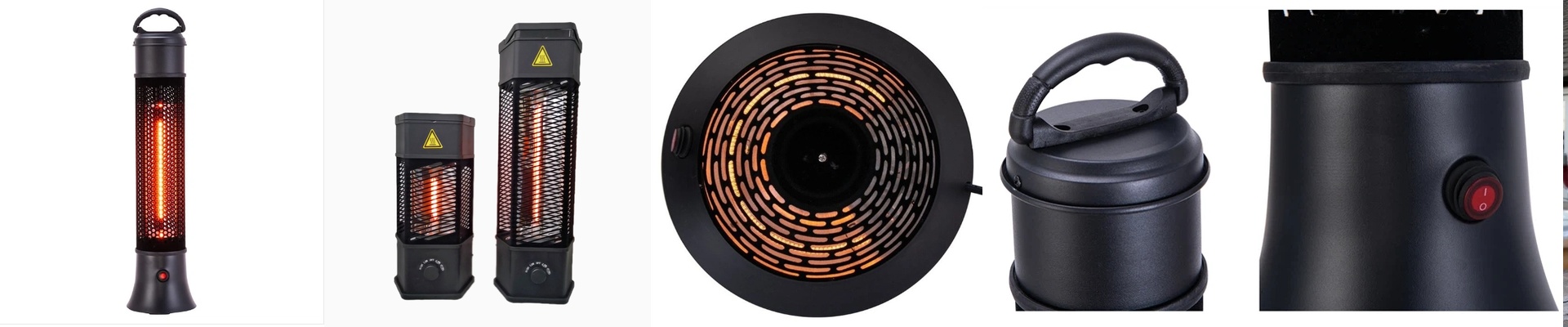
If you’ve ever run a nightclub patio, you know the deal. It’s a brutal place for equipment. You’ve got high-wattage infrared heaters fighting against rain, humidity, and those wild temperature swings that happen in a single night. Most people think the heating element is what gives out first. But honestly? It’s usually the lead-wire junction. That’s where the real trouble starts.
Where things go wrong
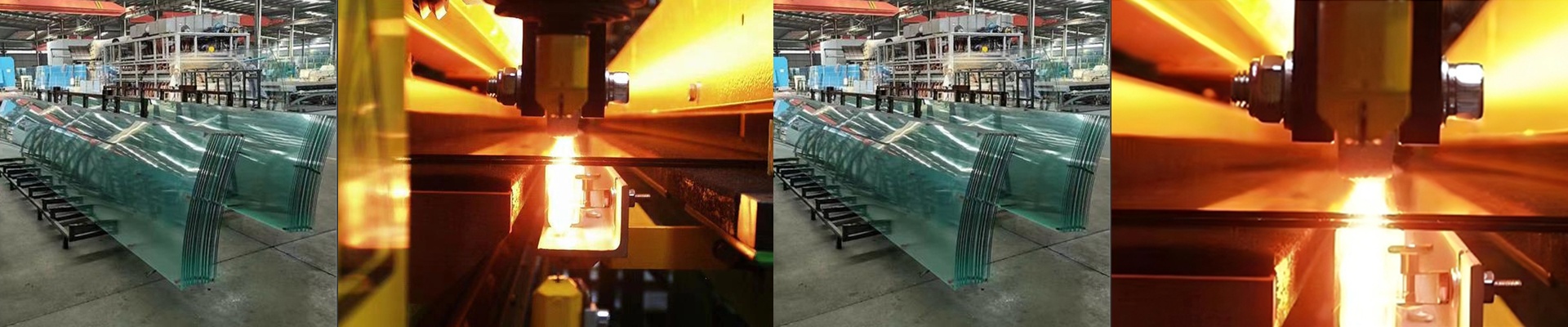
A lot of heaters are put together with basic glue or some cheap shrink-wrap. That works… for a while. But outdoors, that stuff just breaks down. Think about it: the heater turns on, gets scorching hot, and expands. Then it cools down and shrinks. Over and over. Eventually, tiny little gaps open up. Moisture creeps in, hits that high heat, and turns into carbon. Once that insulation is toast, you’ve got a short circuit. Simple as that. We do things differently. We don’t just slap a coating on top. We use a multi-stage process that actually bonds the wire to the quartz tube using high-temp glass-to-metal seals. It creates a total barrier. Water can’t get in, and gas can’t get out. Period.
The “Contractor-Grade” Trap
You’ll see a lot of “contractor-grade” heaters out there. They usually use generic potting compounds. They’re fine for a few months, but the heat cycles eventually crack them wide open. We use industrial ceramic seals. The trick here is that they expand and contract at the same rate as the heating element. So, when the unit hits peak temp, the seal doesn’t just snap. It stays put.
One thing to keep in mind
There is a trade-off, though. Because this seal is so solid, the wiring is a bit stiffer. You can’t just bend these leads at sharp angles to jam them into a tiny box. If you force a tight bend, you’re going to stress the seal and ruin the whole point. Just make sure your housing has enough room for the wires to sit in a natural curve. It’s a small detail, but it’s the difference between a heater that lasts for years and one that your maintenance crew has to replace every single season. No more electrical arcs in the rain. Just heat that actually works.