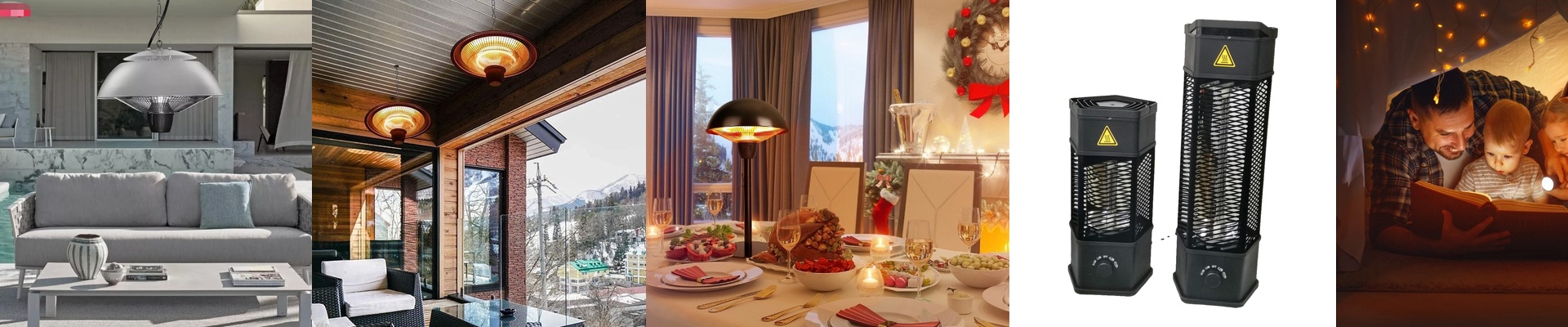

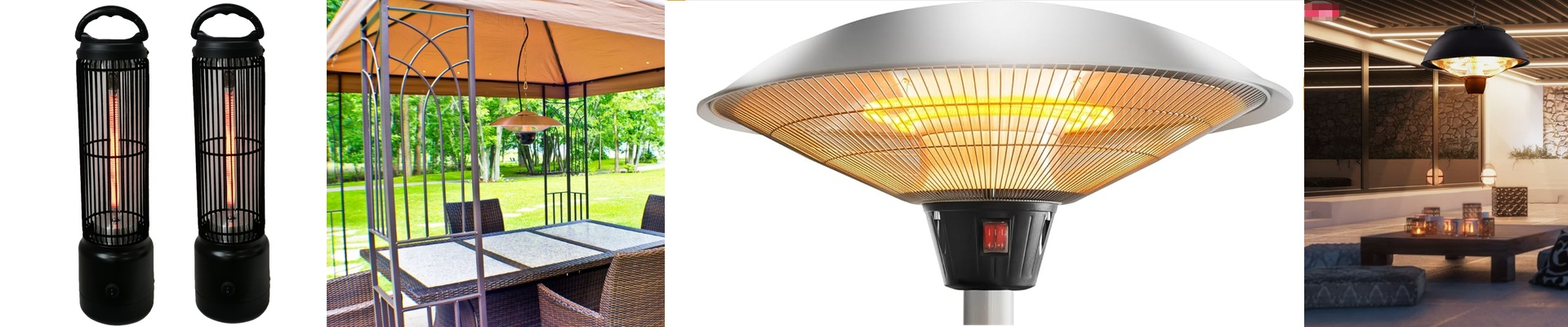

Step into a bathroom on a cold morning and the air hits you—sharp and immediate. You flip on the infrared heater, expecting that instant, no-wait warmth. But if the unit hasn’t been proven in humid, steamy conditions, performance can drift, connections can corrode, and the comfort you counted on starts to feel like a gamble.
What matters, technically
A bathroom infrared heater isn’t just a lamp. It’s a compact thermal system built around a quartz or halogen element that delivers radiant heat straight to people and surfaces. We lean on materials that can take both high heat and constant moisture, pair the element with a sealed reflector to focus infrared warmth where you need it, and build in protections that matter in wet zones: a grounded power path, overheat sensing, and tip-over protection. Output is sized to warm a personal zone fast—1,500–2,000 watts for most homes—so you feel the heat in seconds, not minutes.
Why it holds up in here
Bathrooms are the hardest place for electric heat. Steam climbs, condensation beads on fixtures, and humidity works its way into every seam. That’s why we run every unit through rigorous湿热 aging: sustained high humidity, temperature cycling, repeated on/off stress, and long run times in conditions that mimic years of hot showers. The point is simple: find weakness early. In practice, that testing keeps output stable, prevents premature component fatigue, and cuts down on connection issues that only show up after months of use. What you get is steady comfort—fast radiant heat that feels natural, without the shock of cold air or the worry of early failure.
What you need to know
For reliable operation, the heater has to be installed in a location rated for damp/wet environments, and when local codes call for it, it should be wired on a dedicated circuit. Clearances matter—keep the unit away from curtains, towels, and direct water spray. And remember: infrared heat works best when it’s aimed at the body. It warms you directly, so the surrounding air can still feel cooler. That’s not a flaw. That’s how radiant warmth works, and it’s why placement makes the difference between a bathroom heater that’s good—and one that’s truly right.