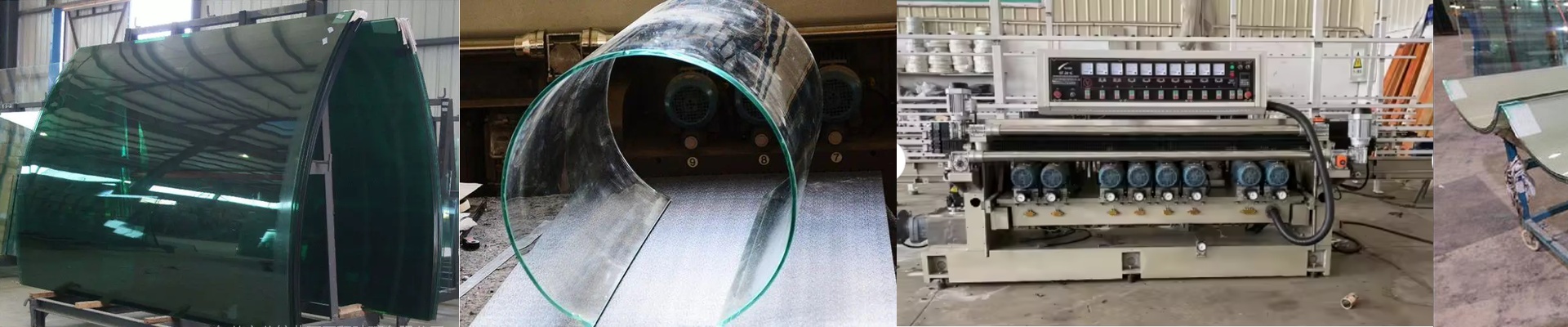
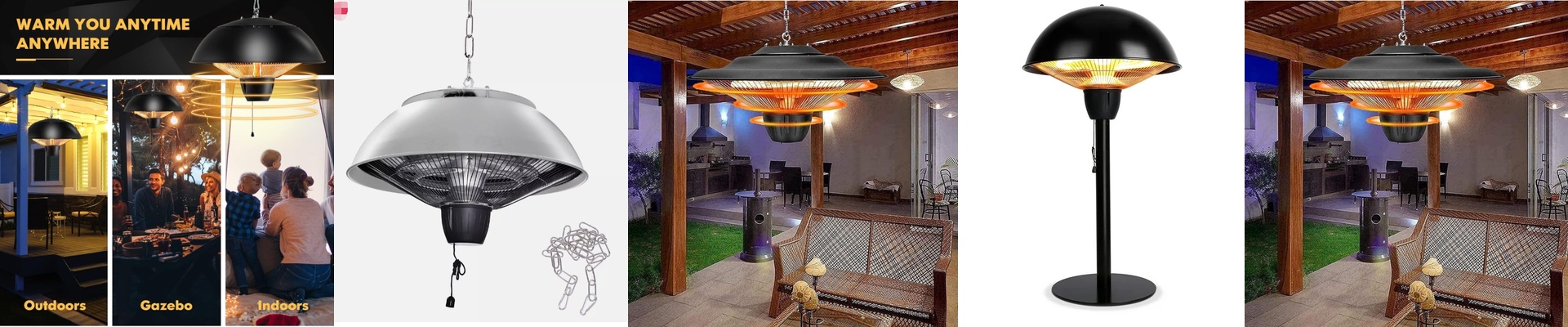

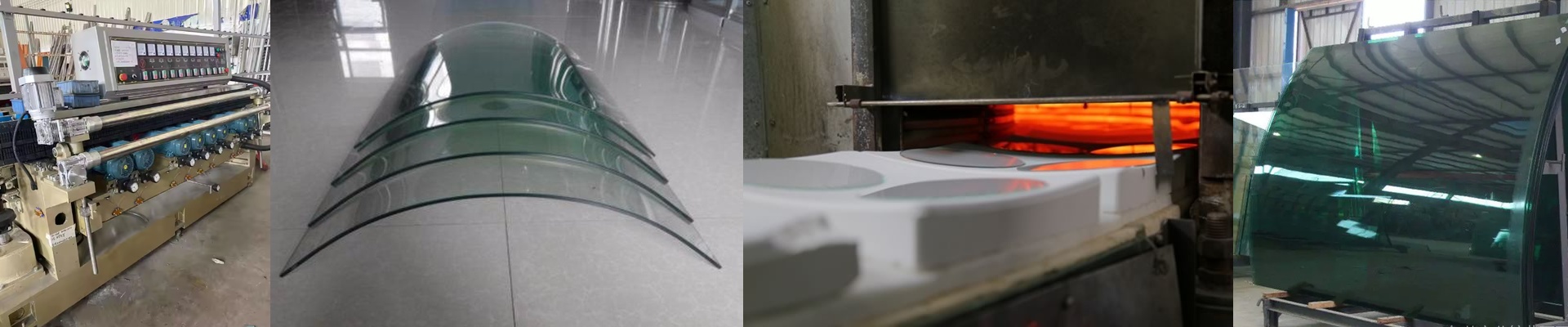
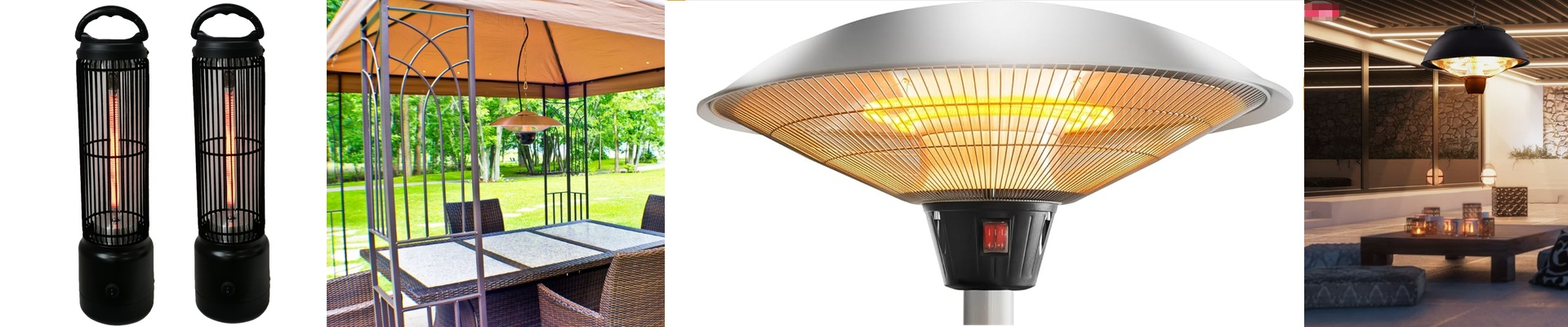
On the line, heat isn’t theoretical. It’s the difference between a stack of first-pass-good glass and a batch you scrap for optical distortion, edge waves, or an IG edge seal that won’t hold. When your furnace zones, autoclave ramp, or sealing table can’t hold the thermal profile you need, there are no do-overs—just stoppages, rework, and energy costs that keep climbing every minute the line is down. That’s where a 230V infrared quartz lamp earns its keep. Not as a generic heater, but as a predictable, controllable heat source you can drop into the tight spaces and fast cycles glass processing demands—annealing, tempering, hot bending, lamination, coating drying, and insulating glass sealing.
What matters, technically
We build these lamps around one requirement: repeatable heat delivery under production discipline. The core is a short-wave infrared quartz emitter. Quartz keeps the element stable at high temperature, takes repeated thermal cycling, and responds quickly when the process needs heat on—then off. Short-wave infrared energy is absorbed strongly by many glass surfaces and coatings, so you heat efficiently without leaning on convection. That matters when you need uniform heating without cooking the surrounding fixtures. The power supply is specified at 230V. In a lot of glass plants, 230V circuits are standard for process equipment, which simplifies integration and reduces the need for dedicated high-voltage drops or extra panel capacity. The voltage choice isn’t arbitrary—it’s about matching what’s already in the plant, so the lamp can be a direct replacement or an easy retrofit. Because glass lines run hard, we design the lamp for the pace: fast warm-up, stable output, and predictable aging. In practice, that means you can hit rapid ramps for time-sensitive steps like coating drying and IG primary sealing, and you can expect output to stay consistent enough to keep thermal profiles inside tolerance. We have units running beyond 5,000 hours with output degradation in the low single digits—fewer changeouts, less downtime.
Why it works in glass
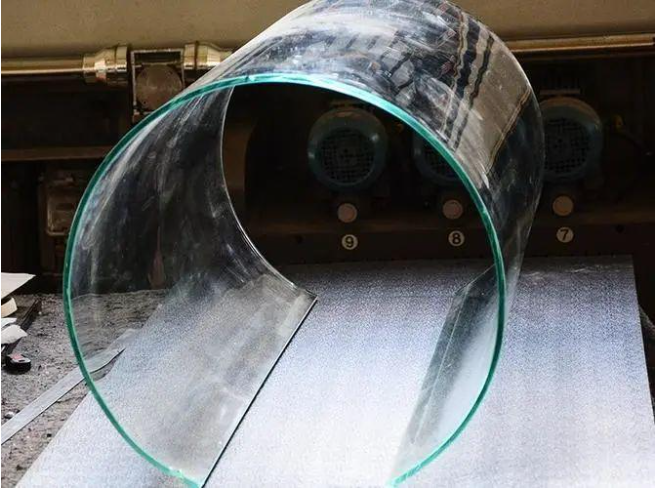
Glass processing is a chain of thermally sensitive steps. If the heat arrives late, is uneven, or is hard to control, defects show up fast. Intempering and heat strengthening, uniform heating is the whole game. If the heat isn’t even, you get localized hot spots and uneven quench results—optical distortion, wavy edges, and inconsistent surface compression. The short-wave infrared quartz lamp gives you clean thermal response that helps maintain the required temperature distribution across the glass, supporting more consistent stress profiles and fewer off-spec tempers. Inhot bending, the glass has to hit the forming window predictably. If the heat is slow, the surface can overheat while the interior lags, raising the risk of surface micro-cracks and spring-back after forming. With fast, controllable infrared heat, you get quicker time-to-temperature, better control of the thermal gradient, and improved shape repeatability from bend to bend. Forannealing and stress relief, controllability beats peak temperature. You need stable hold zones and repeatable ramp rates to remove residual stress without creating new thermal gradients. The lamp’s responsive output makes it practical to hold tight temperature windows, which helps stabilize dimensions and reduce downstream breakage. Inlamination (EVA/SGP/PVB), the heating profile directly drives bond quality. Underheating gives you voids and weak edges; overheating can cause EVA blowouts or PVB discoloration. The lamp’s fast response lets you keep tight control over ramp and soak, so you hit the required bond line temperature with fewer hot spots and more consistent optical clarity across the part. Forinsulating glass sealing, the edge sealant has to cure quickly without overheating the primary seal or pushing moisture into the cavity. Infrared heat delivers energy where it’s needed—at the edge—cutting the time the whole unit sits hot. That shortens cycle time and lowers energy draw per unit, while still meeting edge adhesion and gas retention requirements. And incoating drying and curing, the target is fast solvent removal without pinholes, blisters, or haze. Infrared heating drives off solvents quickly, but the lamp’s controllability helps prevent the coating surface from skinning too early—fewer defects, better yield. Across all these steps, the payoff is operational: faster cycles where the process allows, tighter thermal control where quality demands it, and fewer scrapped units from heat drift, late ramps, or uneven profiles.
What you need to know
Infrared quartz lamps are straightforward, but they aren’t plug-and-play without a plan. Mounting and clearance matter. Position the lamp so irradiance is uniform across the glass, and keep reflectors aligned to avoid hot bands. If spacing is off, you’ll see repeatable overheating or underheating—optical distortion after tempering, uneven curing in lamination. Controls have to match the lamp. Use a control strategy appropriate for infrared emitters—proper SSRs or contactors, adequate thermal safety, and a control method that keeps up with the response speed you need. If your loop relies on slow-response sensors, the lamp can overshoot before the control catches up. Expect maintenance. Quartz is tough, but thermal cycling, ambient dust, and handling still wear on things. Keep spares on hand and treat the lamp as a scheduled component, not a panic buy. One practical limitation: infrared heating is line-of-sight. Obstructions, shielding, and even changes in glass emissivity can shift absorbed energy. If your product mix varies widely in glass color, coating type, or thickness, the heating setup needs to be verified and tuned across the full range. If you run 230V equipment and need heat that keeps pace with glass processing—tempering, bending, lamination, coating drying, and IG sealing—this lamp is a direct, engineered fit. Predictable infrared output, fast response, and reliability that holds up under daily production pressure.