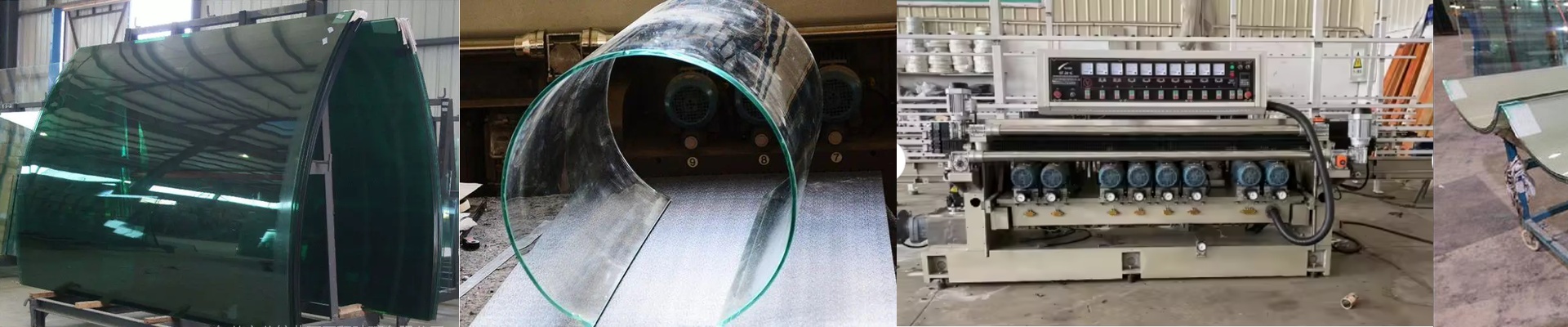
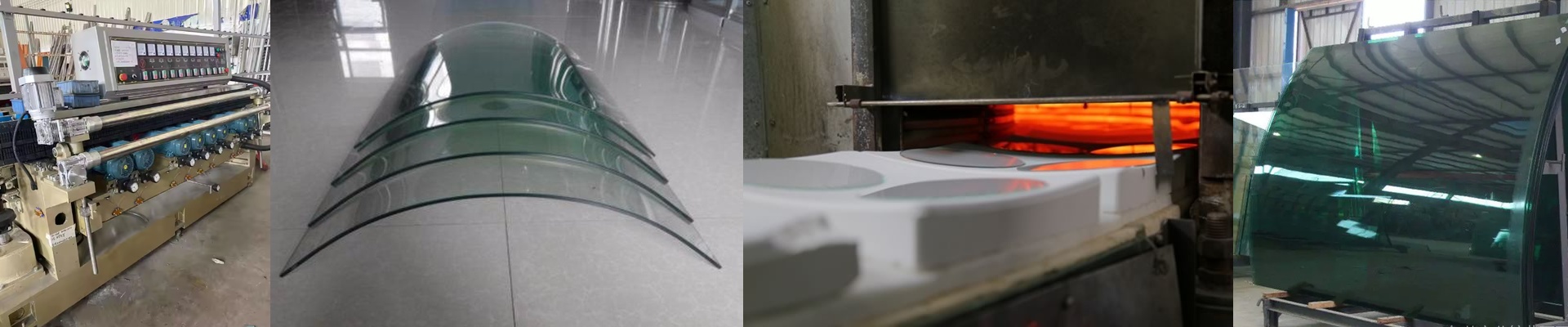
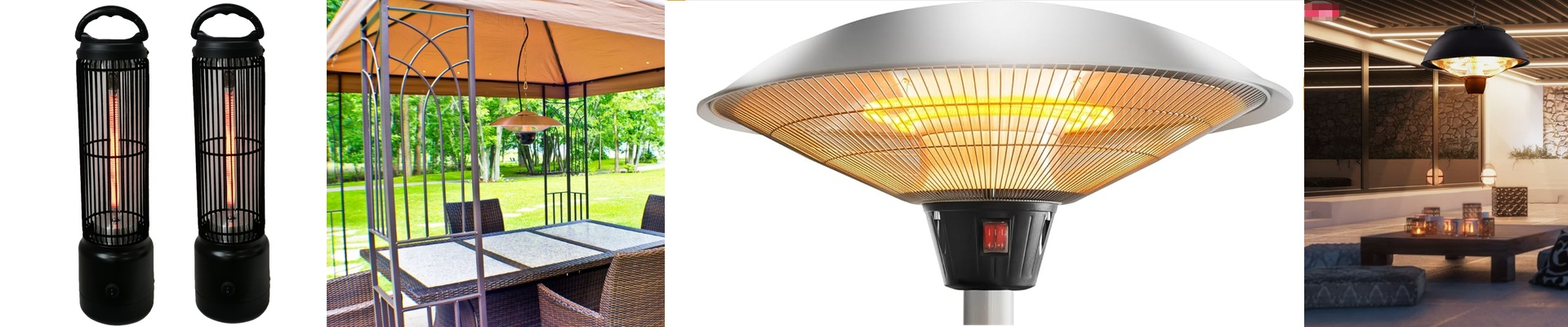
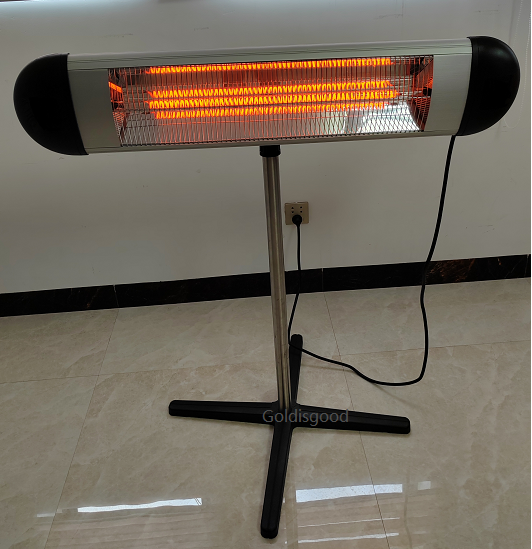
Glass-heavy loft sunrooms look great, but they don’t hide their weakness: heat loss. Once the sun goes down, all that glazing turns into a thermal leak, and standard warm-air systems just chase the rising energy bill without ever making the chill go away. I’ve seen it a hundred times—the room reads warm on paper, but you’re still reaching for a sweater.
What actually matters, technically
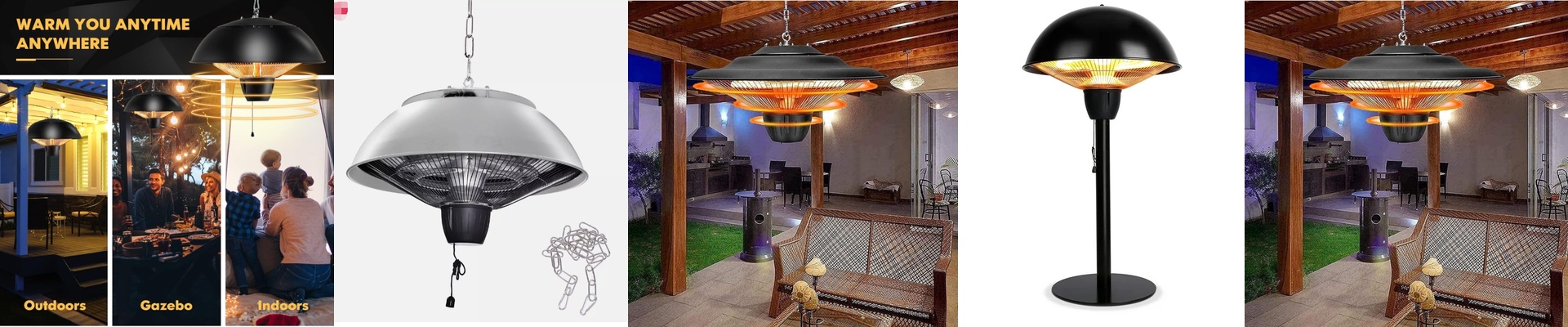
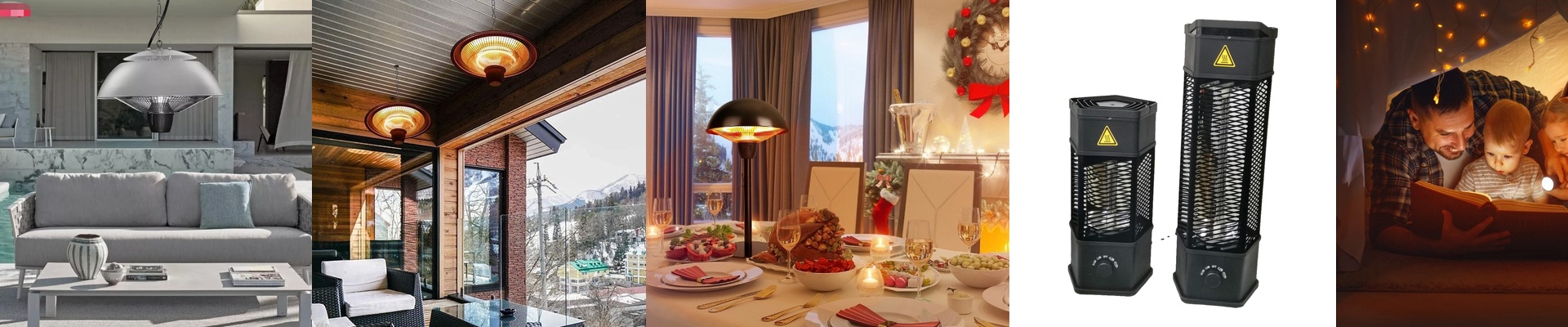
Infrared patio heaters work on radiant warmth—heat that travels outward and warms people and surfaces directly, not just the air. In a sunroom, that’s the difference that matters, because glass constantly dumps heated air, making convection heating a losing battle. Our electric infrared heaters use a carbon fiber element and short-wave output to deliver high-intensity, targeted warmth that gets to you fast. You feel the comfort within seconds, not minutes. If you’re buying for a project, the practical details are the ones that earn their keep. We offer models in common commercial power ratings, built with solid quartz components and housings that can take steady outdoor and sunroom duty. The controls stay simple: an adjustable thermostat helps hold the temperature you want, and tip-over protection gives you a basic safety net. Many units are rated for damp locations, so they can handle the humidity that builds up against glass.
Why this approach fits a sunroom
With a loft sunroom, you’re not trying to heat the outdoors—you’re trying to keep comfort where you actually live. Infrared warmth hits the floor, furniture, and your skin directly, so the room feels steady even when the glass is cold. You stop wrestling with drafts, and you stop oversizing heaters just to make up for air that keeps slipping away. That steady feel lines up with how the space gets used. No long warm-up. No blasts of hot air followed by a quick cool-down. Just even, consistent radiant heat that makes the room usable from early morning to late evening.
What to watch for
Placement matters. Radiant heat travels in straight lines, so put the heater where it clears obstructions and reflects warmth inward—not straight onto the glass. And because infrared heats objects directly, it’s normal for the air to feel slightly cooler than the surfaces. Electrical requirements vary by model, so confirm voltage and circuit capacity before you install. For the best results in a sunroom, pair the heater with basic thermal management—curtains or blinds at night cut heat loss and help the thermostat hold temperature more easily.