


Gym Electric Heater: The Real Deal on High-Power Infrared Heat
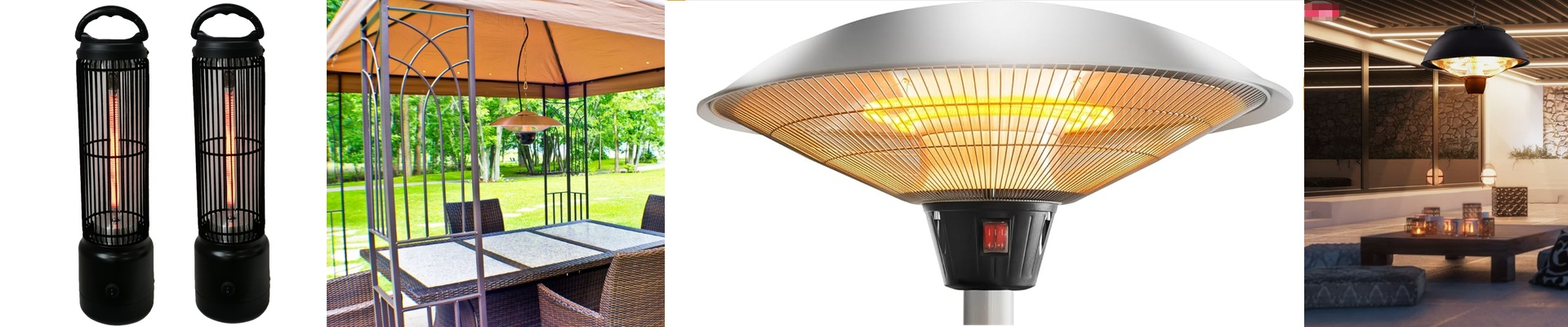
Here’s the thing about heating a big, open gym: blowing warm air around is slow and noisy. What you really want is heat that hits you where you need it, right now. That’s exactly what we built this gym electric heater for. It’s a shortwave infrared lamp, designed to throw out a ton of heat fast. Think spot heating for entryways, warming up a bench area, or prepping equipment. You get that instant, radiant warmth without wasting time and energy trying to heat the entire room.
What’s Under the Hood
This thing is built for serious power. It runs on 400V and cranks out 2500W, all packed into a surprisingly small footprint. The 300mm tube focuses that heat right where you want it, which is perfect for tight spots. But that kind of punch comes with a price. You need to make sure your wiring and circuit protection are up to the task. And because it gets hot, you have to plan for proper cooling and ventilation. Treat it with the respect it deserves, and it’ll perform.
The Build That Takes the Heat
We wrapped the core in a halogen-filled quartz tube. Why? Because it keeps the output steady and can handle the shock of switching on and off quickly. That internal halogen cycle helps protect the filament, so it lasts longer, even with constant on-off use. The tube is also specially coated to focus the infrared wavelengths, so the heat transfers more efficiently to the surfaces you’re aiming at. And for installation, we used an R7s connector. It’s a direct, solid connection that handles the high current and makes swapping it into an existing fixture a straightforward job.
Where It Shines (And What to Watch For)
In a gym, this setup is perfect for those targeted zones—like right by the door, over the weight benches, or near equipment that needs a quick warm-up. You cut down on preheat time and ditch the noise of big air movers. Because it’s compact and uses the R7s connector, it’s an easy drop-in replacement for what you probably already have. Just remember: this is high-density heat. It demands smart electrical planning and proper thermal management. Get your wiring, mounting, and ventilation sorted from the start, or you’ll run into overheating and shorten its lifespan. Plan right, and you’ve got a workhorse on your hands.