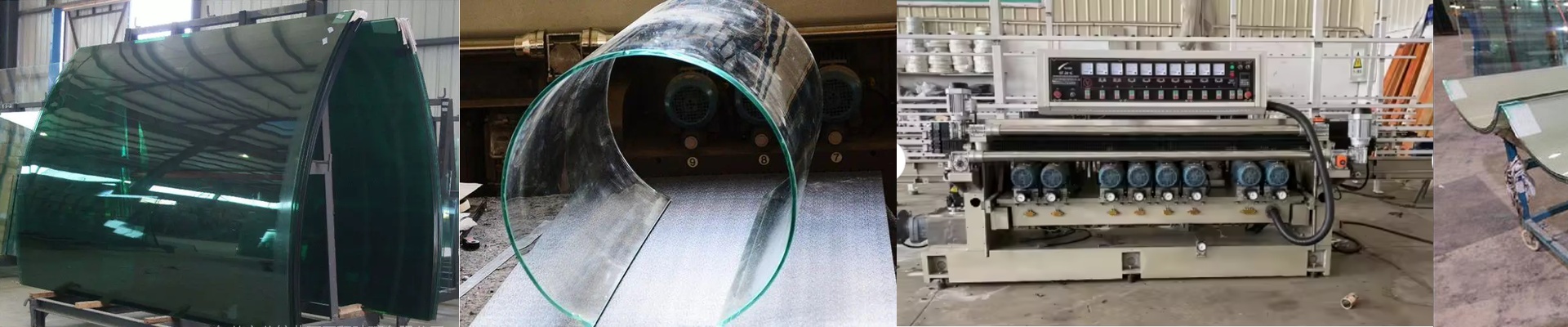
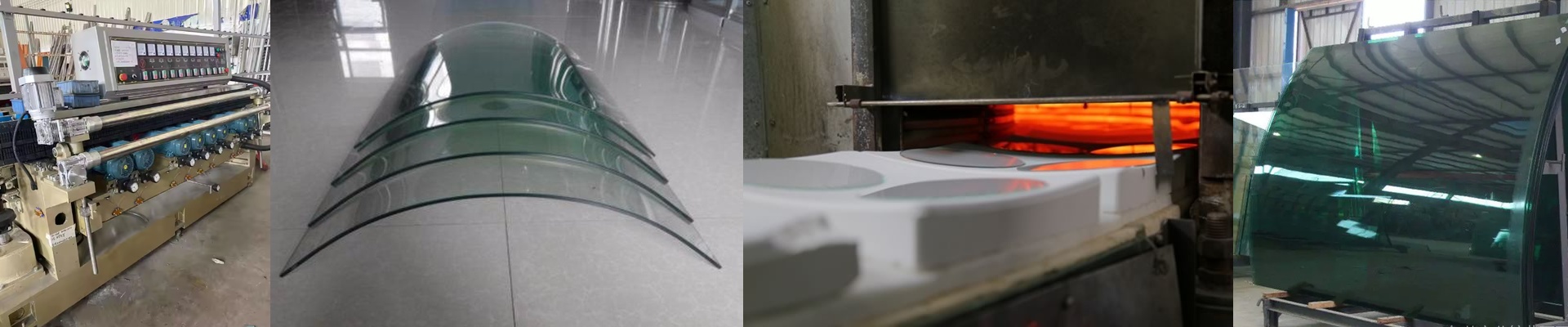
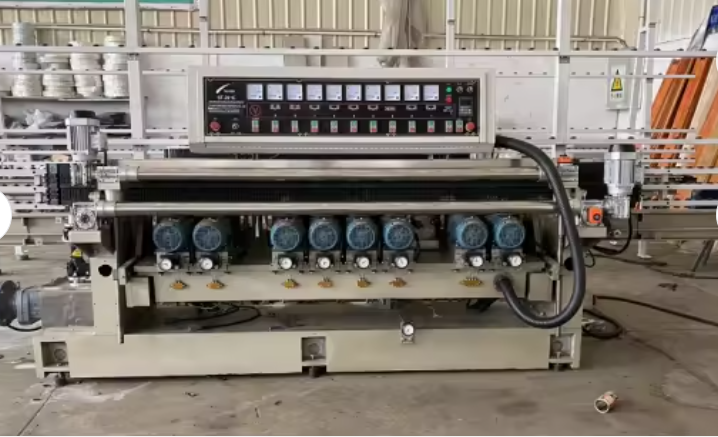
On the coating line, that hydrophobic layer that beads instead of streaking? It starts with the dryer. If the thermal field isn’t even, you’re buying thermal stress—hairline fractures, warp, and optical distortion that tend to show up after cutting or assembly. So the dryer has one job that comes before anything else: hit the entire glass surface with uniform heat. What we focus on, technically We build the dryer around short-wave infrared quartz emitters. They respond fast and give you tight control. The heater array is zoned and mapped so the thermal profile across the glass is repeatable, not a patchwork of hot and cold. Temperature stays within ±2°C, and the hot zone is laid out to minimize convection turbulence that can create edge-to-center gradients. The payoff is predictable emissivity response and consistent cure depth, whether the substrate is clear, low-e, or coated. Here’s why it matters on the floor. Uniform heating cuts rejects caused by thermal stress, so you spend less time chasing cracks and warp after tempering or bending. Fast ramp-up keeps high-throughput lines moving, shortening the dwell window without overshooting the cure point. That means more panels per hour and lower energy per unit, because the dryer heats on demand instead of idling wide open. Downstream, in lamination and IG sealing, a properly cured hydrophobic layer also helps edge stability and adhesion—fewer callbacks and less rework. A few practical notes. Match the dryer to your line speed and the glass thickness range you run. There’s a clear spacing requirement between the emitters and the glass to keep uniformity; change the gap, and the profile moves. Installation is straightforward on most coater lines, but size the power feed and cooling path to the duty cycle. And plan on routine emitter inspection and cleaning—quartz performance stays consistent only when the surface stays clean.