
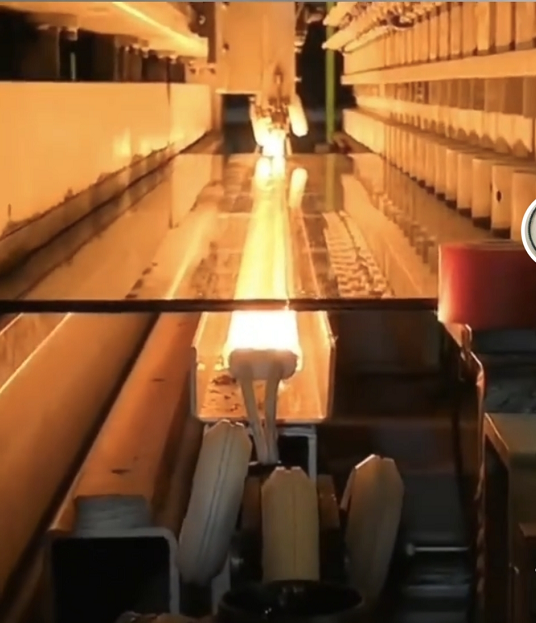
Getting the Heat Right for Mobile Glass Repair
When you’re trying to build a heating element into a mobile glass repair bracket, you’re basically fighting a war against space. You want a ton of heat, but you don’t have the room for a bulky heater, and you’re stuck with limited voltage. Standard resistive heaters just won’t work here—they’re too slow and too big. That’s why we use shortwave IR lamps. They let us cram a massive amount of heat into a tiny footprint without making the whole device feel like a brick.
Packing Power into a Tiny Space
The real trick is focusing on how much wattage we can fit into every single millimeter. We use high-density quartz halogen tubes to beam that thermal energy exactly where it needs to go. It keeps the bracket portable, but it still hits those high temperatures you need to actually bond or cure the glass. But there’s a catch. If you just crank the wattage in a tiny tube, you’ll fry the filaments. We spend a lot of time balancing the voltage so the lamp gets hot fast, but doesn’t kill the power supply in the process.
Choosing the Right Stuff
We go with hard-quartz envelopes because they can handle the sudden temperature swings you get with mobile work. One thing we’ve learned? The connection point is usually where things go wrong. If it’s flimsy, it’ll shake loose the moment you start moving. We stick to standardized connectors to keep things tight. We also use specific coatings on the quartz. This helps the heat actually sink into the glass instead of just warming up the air around it. It’s a small detail, but it makes a huge difference in how the tool actually performs.
The “Heat Soak” Problem
Here is the annoying part: miniaturization creates a heat soak issue. Those IR lamps are great at heating the glass, but they also dump a lot of waste heat right back into the bracket housing. If you aren’t careful, your housing will warp. That’s why we use aluminum or high-temp polymers for the chassis. And if you’re working in a tight spot where air can’t circulate, you can’t just leave the power on. You’ll need a PID controller to pulse the power, keeping the whole assembly from overheating and melting into a puddle.