Stop the Chips: Why We Use Infrared Preheating for Glass
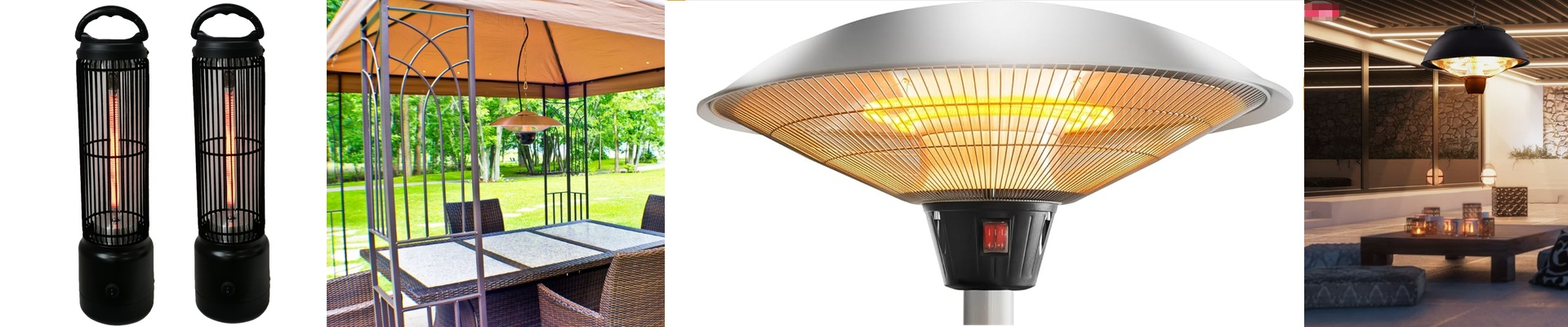
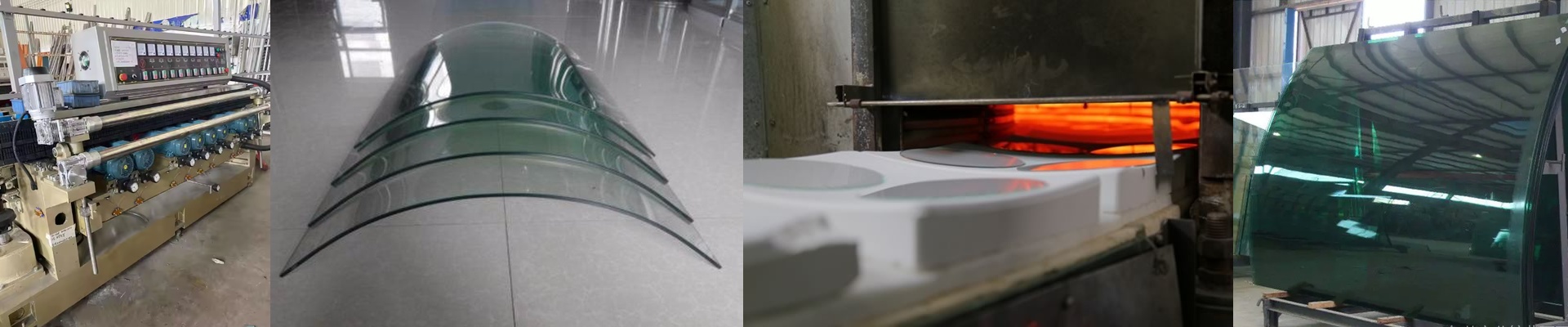
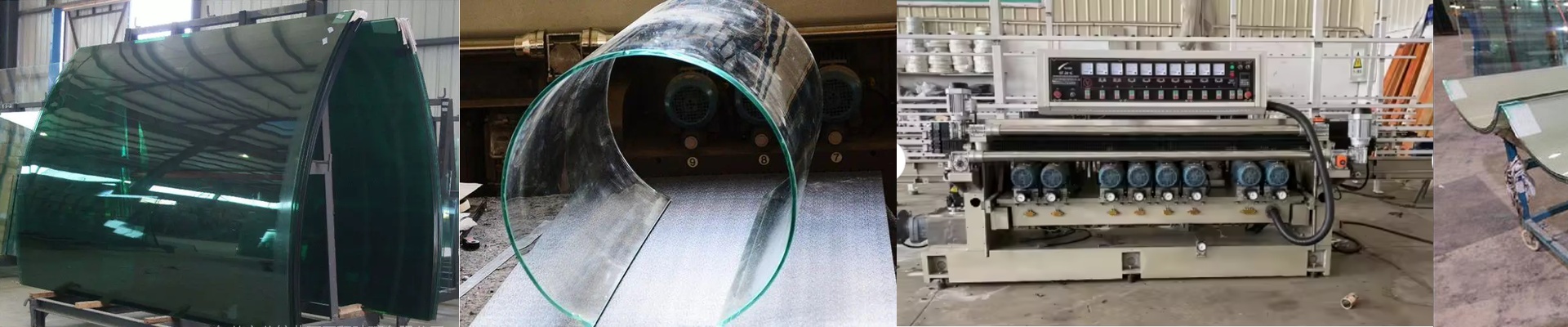
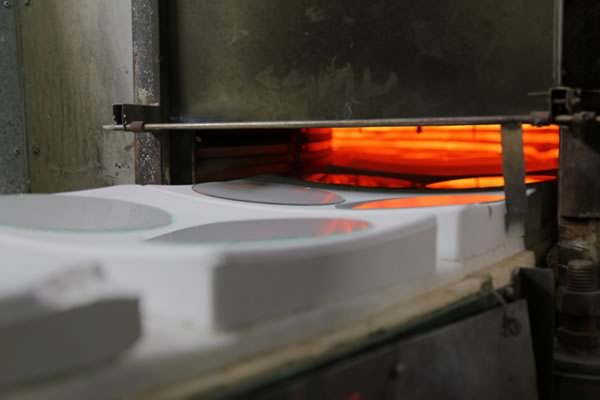
If you’ve spent any time cutting glass, you know the frustration of “chipping.” You score the line, you make the break, and then you see it—that annoying little chunk missing from the corner. It’s a headache, and it kills your yield. The problem is internal stress. When that cutting head hits the surface, the fracture doesn’t always follow the rules. It wanders. That’s where infrared (IR) preheating comes in. How it actually works Think of glass as being a bit too “stiff” or brittle. By hitting it with targeted IR heat right before the score, we basically relax the material. It changes the viscosity of the surface, making the glass feel more “plastic” right where the break happens. Because the material is warmed up, the crack doesn’t wander. It just follows the line. The result? A clean, crisp break and way fewer wasted sheets. The gear you’ll need We usually go with short-wave quartz lamps. Why? Because they’re fast. They penetrate the glass quickly, which is exactly what you need when your conveyor is moving. We spec these for high wattage density so the glass hits the right temperature in a matter of seconds. But here’s the catch: you have to find the sweet spot between lamp power and belt speed. If you crank the heat too high or slow the belt down too much, you’ll get uneven thermal expansion. And that’s when the glass decides to crack on its own. Not ideal. The messy part: Integration Putting these into your line isn’t as simple as just plugging them in. You have to get the angles exactly right to avoid hotspots. And a word of warning: these arrays put out a massive amount of heat. You can’t just shove them into a standard cabinet and hope for the best. You need a real ventilation or cooling system for the housings. If you don’t, your wiring and connectors will literally fry, and your lamp life will tank. It’s all about that temperature window. Hit it, and your yield goes through the roof. Miss it, and you’re just paying for a very expensive space heater.