Introduction
We built this infrared heating lamp for one reason: to dry the adhesive in laminated glass without wrecking the delicate Low-E coating. Speed is everything. It has to respond in milliseconds, hitting the exact spot you need, then backing off fast—so the film never even gets a chance to oxidize.
What’s really going on under the hood
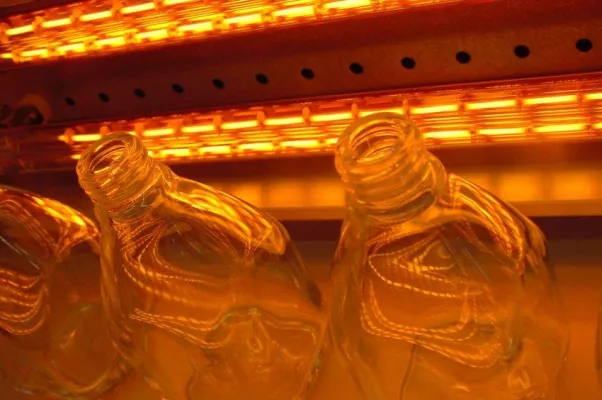
This thing runs on serious power because the job demands it. You’re feeding it 400V, and it turns that into 2500W—packed into a slim 300mm tube. That’s the point. All that heat density in a small footprint lets you focus the heat right on the adhesive line, not all over the glass. And the shortwave infrared? It punches through the glass quickly and heats the adhesive directly. No wasted energy heating the whole pane.
The materials and the “why” behind them
To get that lightning-fast reaction, we use a halogen-filled quartz tube. Quartz handles thermal shock beautifully, and the halogen gas keeps the filament temperature steady—so output stays consistent. The tube also has a special coating that filters out the wavelengths you don’t want, shielding the Low-E film from the kind of energy that causes oxidation. Then there’s the R7s connector. It’s the standard for this type of lamp, and it’s there for a reason: a secure, high-temperature-rated connection that’s straightforward to wire and easy to keep running on the production line.
Where it shines—and what to keep in mind
On Low-E glass lamination, the adhesive has to cure fast, but the coating can’t be exposed to heat that invites oxygen trouble. So this lamp hits the adhesive hard, then cuts off instantly. That tight timing keeps the film out of harm’s way, cutting down oxidation and preventing hazing. But here’s the trade-off: that 2500W density means you need cooling that’s properly matched to the lamp. Get the cooling right, and you end up with a process that’s dependable, repeatable, and keeps your yield high while rework stays low.