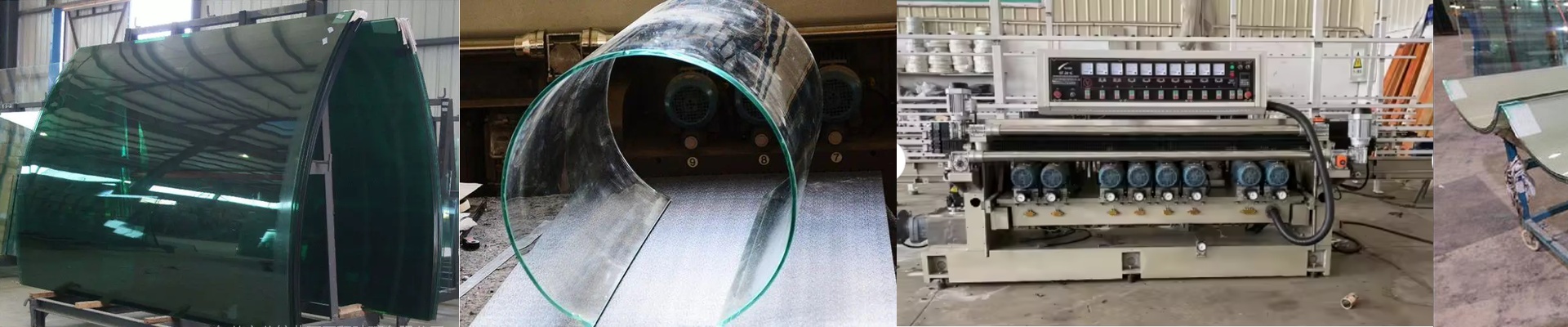
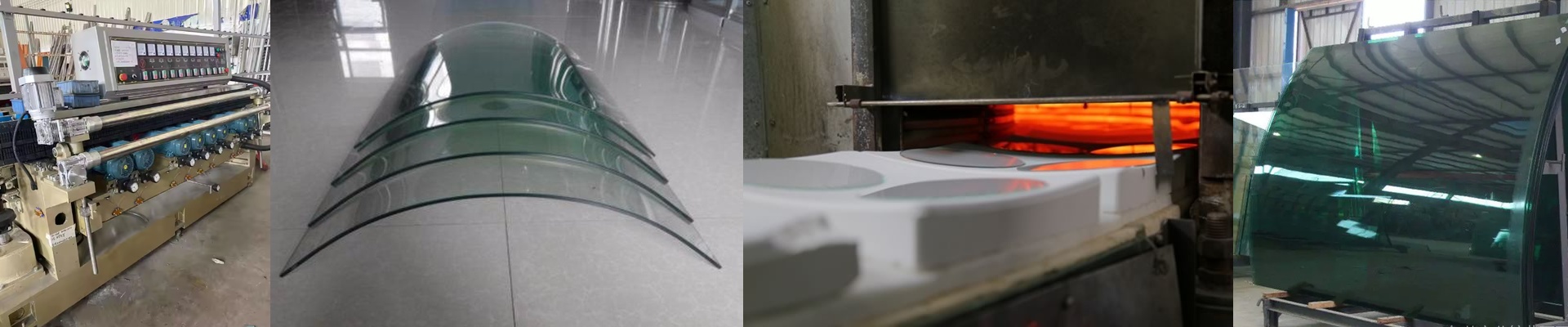
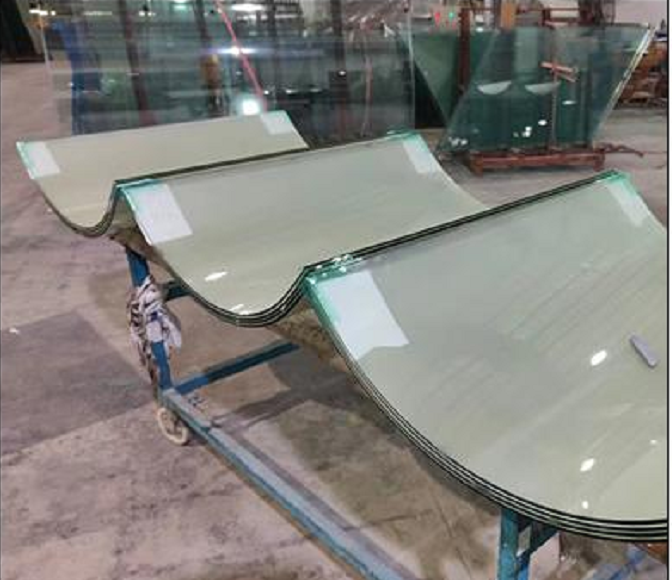
On the floor, the annealing lehr is where glass gets its discipline. If the heater profile starts to drift, you don’t get flat glass—you get scrap. Warp, stress fractures, and thickness that’s off-spec, which then snowballs into rework and line stoppages. The continuous glass annealing heater is the anchor that keeps the whole chain honest, whether you’re running bending, tempering, coating drying, lamination curing, or insulating glass sealing. What matters, technically We build continuous annealing heaters around one idea: heat delivery you can count on, shift after shift. The core is a quartz-based radiant system with tight zone control, so each heating section has its own power and temperature setpoints. You get stable, uniform thermal fields with minimal disturbance from convection, and response times that let you push line speed without chasing temperature overshoot. Power density is matched to glass emissivity and throughput, and the module layout supports the consistent soak profiles needed to relieve stress after forming. In bending, the heater holds the softening window steady so shapes repeat—without chasing margins. In tempering, it preheats cleanly so the quench can do its job without thermal shock. For coating drying and lamination curing, it delivers the controlled ramp and hold that kills bubbles, haze, and weak edges. On insulating glass lines, it keeps sealant cure stable so bonds hold in the field, not just on paper. The payoff is fewer rejects, fewer interruptions, and a lehr that keeps pace with takt. Here are the practical details that make it work. Installation is straightforward, but the heater has to be matched to the lehr’s airflow and load mass. Plan clearances to maintain temperature uniformity, and tune the controls to what you actually run—thicker loads need a longer soak, thin glass needs faster response. Expect routine maintenance on terminals and insulation, and keep in mind performance depends on stable mains voltage. When it’s matched right, the unit runs long hours with consistent output and drops into most existing lehr zones with minimal rework.