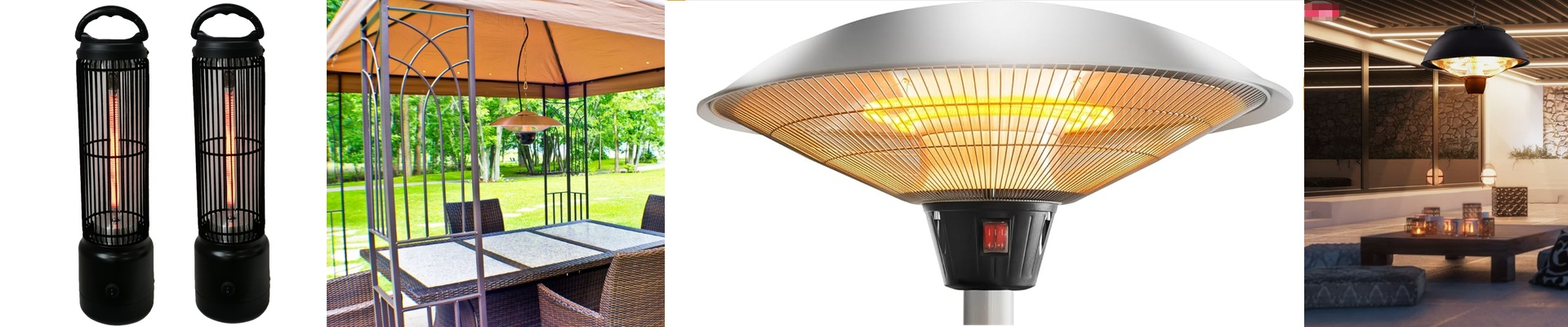
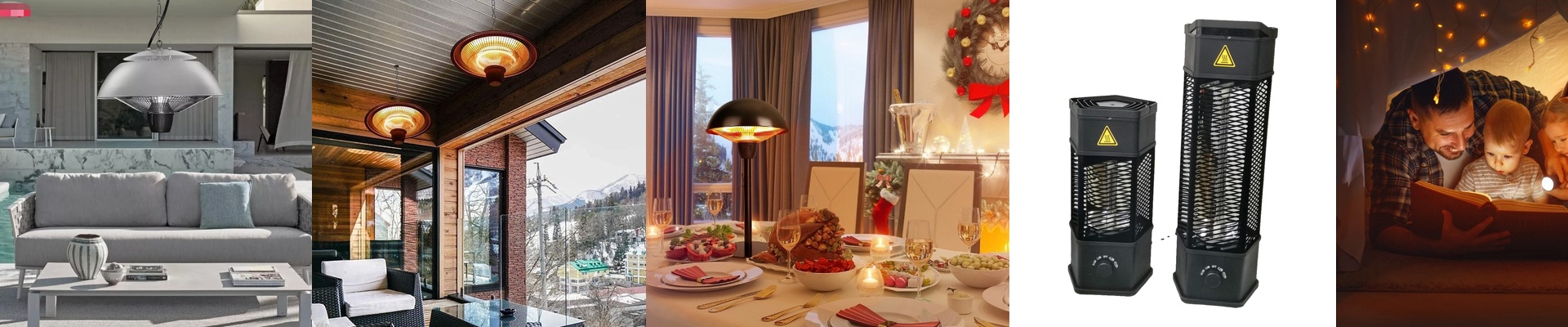

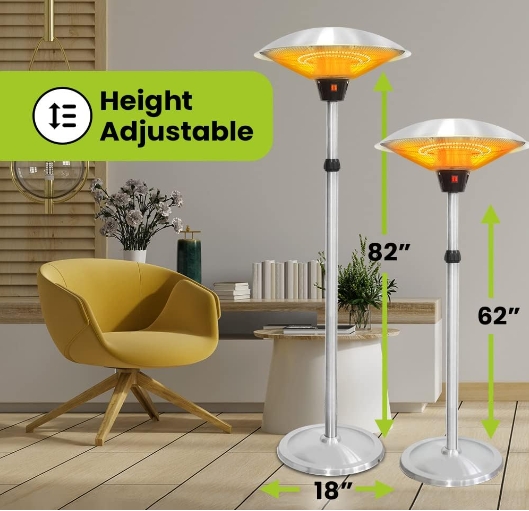
If your winter energy bills keep climbing while the room still feels drafty, you’re not the only one. Traditional electric oil-filled radiators heat the air first, and then that heat rises and scatters. The thermostat ends up chasing comfort, not delivering it. Infrared electric heaters take a different approach. They send warmth straight to people, furniture, and floors. So you feel cozy faster, without trying to heat the entire volume of air. What actually matters, technically Infrared heaters built by an OEM electric heater factory rely on radiant elements—typically quartz tubes or carbon fiber—to deliver targeted warmth. The key is directional output, not just brute wattage. Many models run on standard 120V (or 220–240V, depending on the region), plug into a grounded outlet, and combine a thermostat with safety extras like tip-over protection and overheat cut-off. In practice, you often hit the same perceived comfort at a lower runtime. Independent comparisons consistently show that, for the same “feels-like” warmth, infrared units can cut energy use by roughly 30–50% compared with oil-filled radiators. Less heat gets lost to ceilings and ventilation. Why this works where you need it This comes down to savings you can actually verify on the electricity bill. With infrared, the room feels usable sooner—no long wait for air to warm up—so you can run shorter cycles and still feel steady comfort. That efficiency matters in living rooms, bedrooms, and covered outdoor spots where drafts and open doors make air heating wasteful. You also get quiet operation and instant adjustability: no fan noise, and no waiting for an oil reservoir to respond. What to keep in mind Infrared warmth is most even when the heater has a clear line of sight to the people and surfaces you want to warm. Furniture or curtains can create cool zones. And while infrared heats objects efficiently, it doesn’t dry out the air the way some forced-air heaters can. Plan your placement for direct coverage, and match the output to the room size.