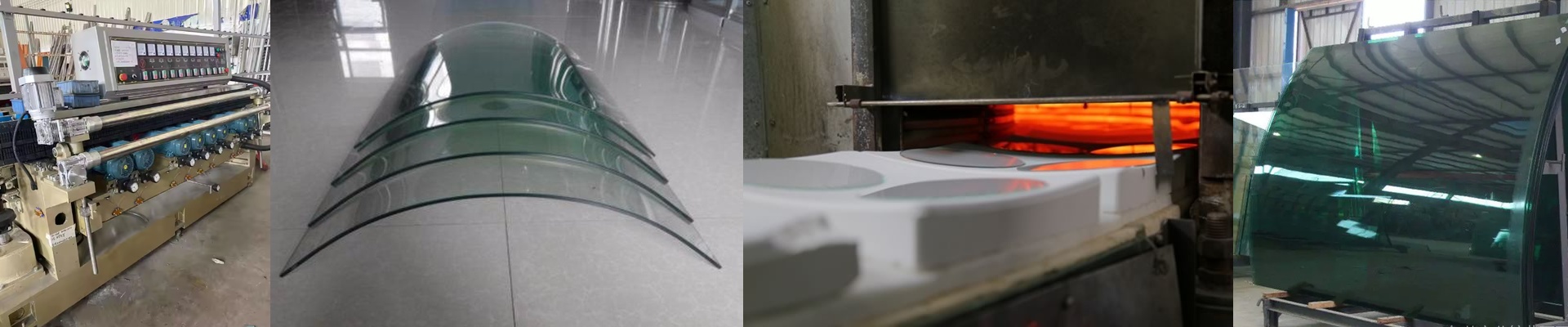
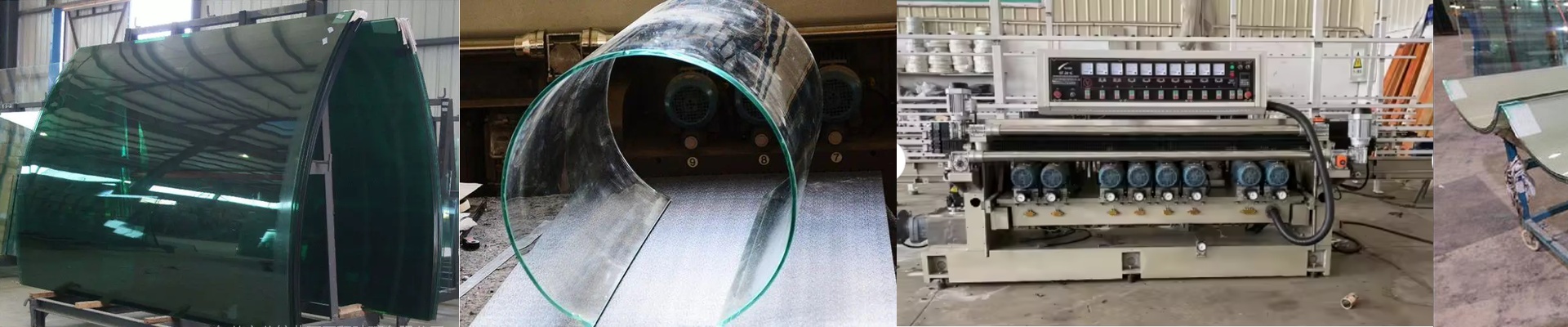
On the kiln line, uneven heat is the quiet killer. One hot spot, one cold zone, and you’re staring down stress fractures, warping, or optical distortion that can wipe out hours of production. The thermocouple is the instrument that keeps the heat field honest. What matters, technically We spec the thermocouple as a direct, drop-in probe matched to the kiln profile: Type K or Type N elements, sheathed in quartz or Inconel to stand up to corrosion and thermal shock. The junction is grounded for a fast response, and the cable is shielded against EMI from igniters and motors. Calibration is traceable to ISO/IEC 17025, with tolerances tight enough to keep zone-to-zone variation in check. In practice, that means setpoints repeat without drift across annealing, bending, and tempering cycles. Why it works on the line Uniform heating is the difference between yield and scrap. A stable, even thermal field cuts down the thermal stress that leads to spontaneous fracture, and it keeps shape memory in line during bending. When the thermocouple reads true, the controller holds each zone within a narrow band, so the glass heats evenly, cools predictably, and comes out flat, clear, and dimensionally stable. Fewer rejects, fewer line stoppages, and consistent output at the pace the schedule demands. Here are the details that bite you Mounting geometry matters. Keep the thermocouple in the active heating zone, away from radiant glare and drafts — otherwise you’re reading the heater, not the glass. Expect some drift after long exposure to high temperature and sooting; set a calibration interval based on your run hours. Swapping a probe is straightforward on most kilns, but confirm connector type, lead length, and sheath diameter so you don’t fight fit in cramped access panels.