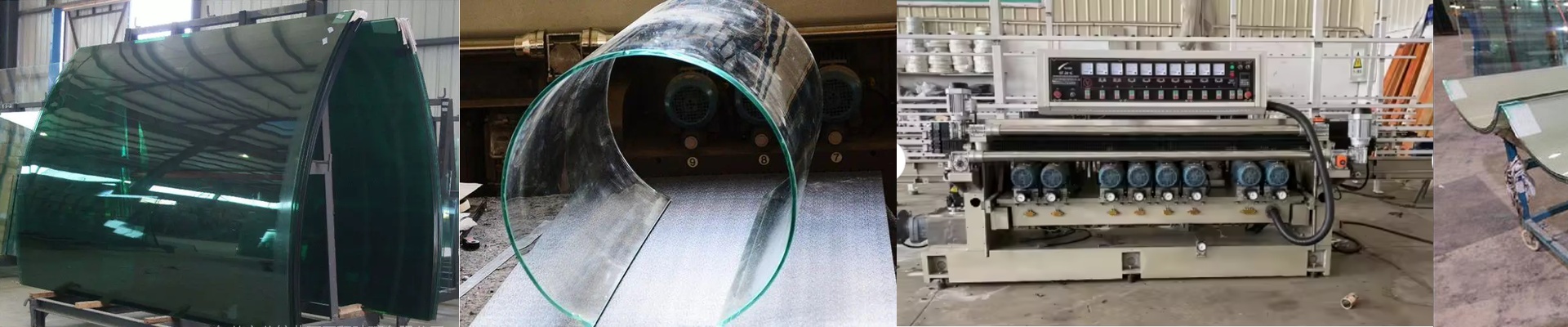
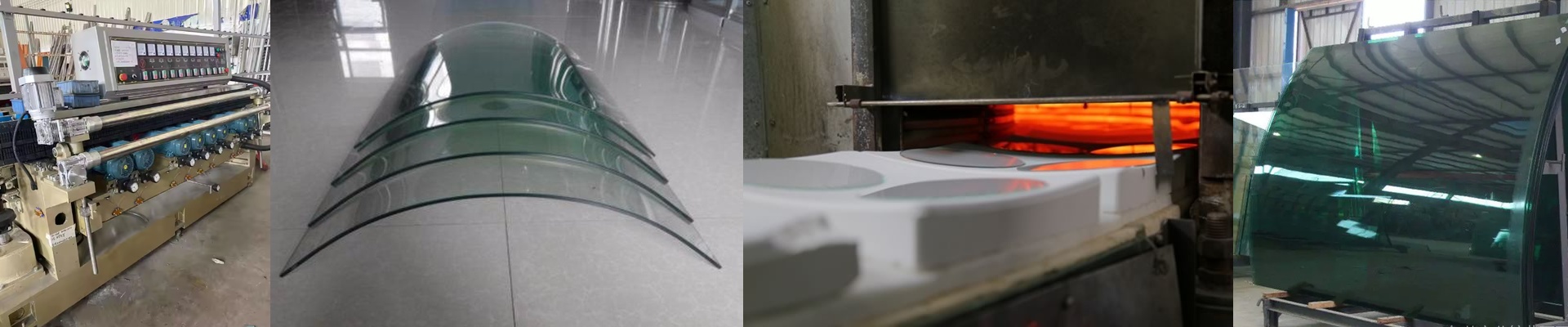
On the floor, the bending furnace is where glass finally takes shape—and where the heat profile either makes the batch or turns it into scrap. If the heating isn’t even, you get thermal stress, optical distortion, and fractures that don’t always show up until tempering—or worse, after the glass is installed. We built our tempered glass bending heater to keep the thermal field stable and move the glass through the cycle without surprises. Control is what matters. The heater runs on short-wave infrared quartz elements, so it responds quickly and holds tight zone regulation—fast ramp-up, fast cooldown. Power is matched to furnace geometry, typically 24–48 kW, three-phase, with compact terminal boxes that drop into standard ports. The emitters are laid out to give a uniform thermal profile across the glass, so edge-to-center differences don’t balloon. In practice, that translates to repeatable sag and bend geometry, and less scrap from warp or roll-in. It works because it fits the way you actually run the line. The same heater platform handles bending, tempering preheat, coating drying, and lamination pre-press, so you can standardize spares and cut changeover time. Energy use drops because the elements shut off fast and reheat on demand instead of idling hot. You end up with faster cycles, fewer stress-induced breakages, and consistent output—even when you’re switching between multiple glass thicknesses. Installation is straightforward, but clearances are not optional. The quartz emitters need the right spacing to avoid hot spots, and the reflectors have to stay clean to keep uniformity. The heater is compatible with most OEM furnaces, but before you swap modules, verify voltage, mounting, and airflow direction. Treat it like part of the furnace itself—alignment, insulation, and thermal management are what determine the final result.