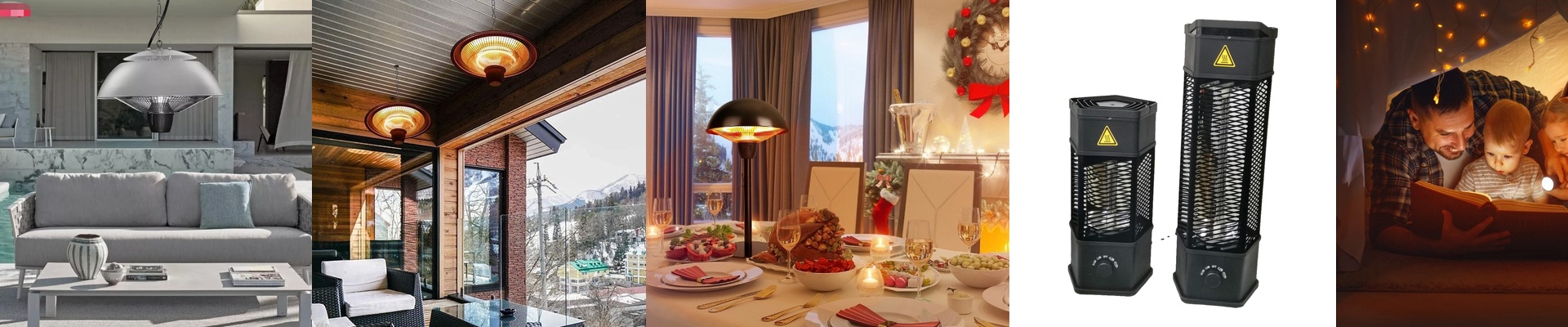
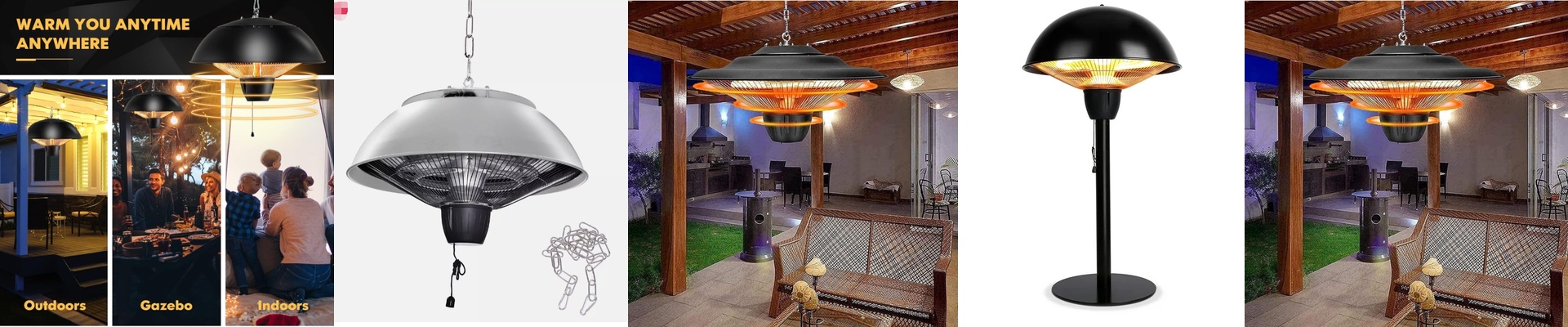

Cold corners and drafts have a way of making a house feel cavernous—and anything but cozy. With conventional heaters, you’re paying to warm air that just rises and vanishes before it reaches the people who need it. An infrared electric heater flips that approach. It sends warmth where you are, not up at the ceiling.
What matters under the hood
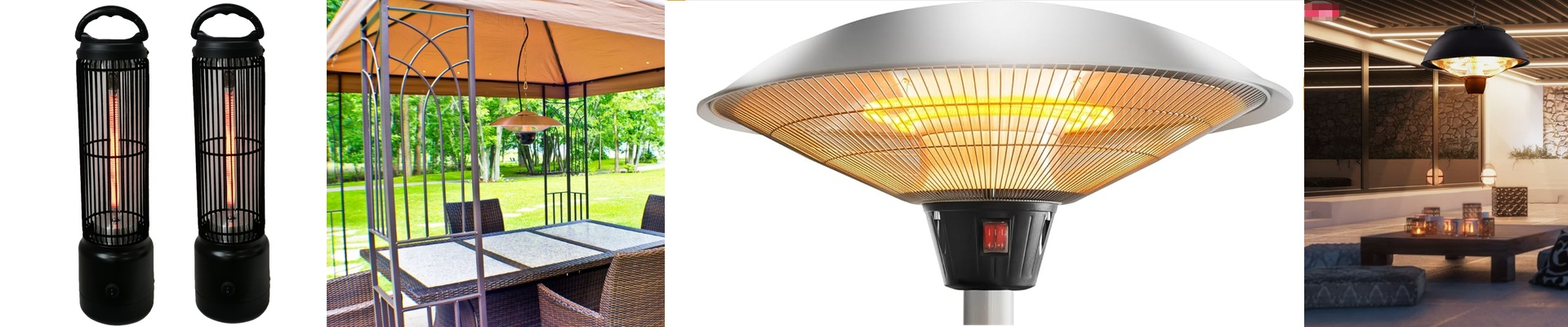
Infrared heaters work on radiant heat: the element gets hot and emits infrared energy that travels in straight lines, warming people and objects directly. Many budget-friendly units rely on a quartz tube or a carbon fiber element. That choice isn’t accidental—they come up to temperature fast and turn most of the input power into radiant output. The payoff is immediate: you feel that focused warmth seconds after flipping the switch. Because the heat is directional, you don’t have to oversize the heater for the whole room. A compact unit can keep you comfortable right where you sit, while the surrounding air stays cooler. And the basics still matter. Look for a thermostat to hold a steady temperature, tip-over protection for safety, and an IP rating that makes the heater suitable for covered outdoor spots—think a screened porch.
Why this approach fits
In larger spaces, traditional heating spends a lot of energy warming empty volume. Infrared shines by focusing on the occupants. You get comfort that’s person-first—warmth arrives where you are, and it arrives fast. That targeted focus can cut the hours your main heating system runs, which often translates to lower energy use and a more consistent feel in drafty or open areas. It also sidesteps the usual gripe about uneven warmth. No cold pockets, because the heat isn’t counting on air movement to fill gaps. You feel the warmth directly, whether you’re reading in a living room, working in a workshop, or stretching out the evening on a covered patio.
What to keep in mind
Infrared heat does its best work when the path from the heater to the person is clear. Walls, furniture, even tall plants can cast a “shadow,” leaving a cool zone behind them. For the best results, point the heater at the seating area and tweak the angle as needed. Also, remember that radiant heat warms surfaces and people directly, not the air. In very humid conditions, the perceived warmth can dip, and in drafty spots, the surrounding air can still feel cool. Keep the unit on a stable, level surface. For outdoor use, pick a model rated for damp locations and plug it into a properly grounded outlet.