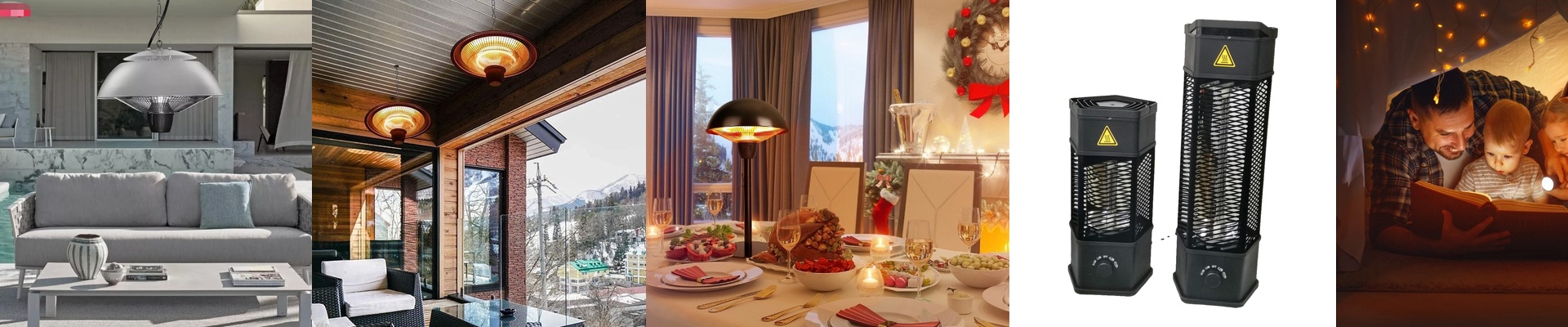
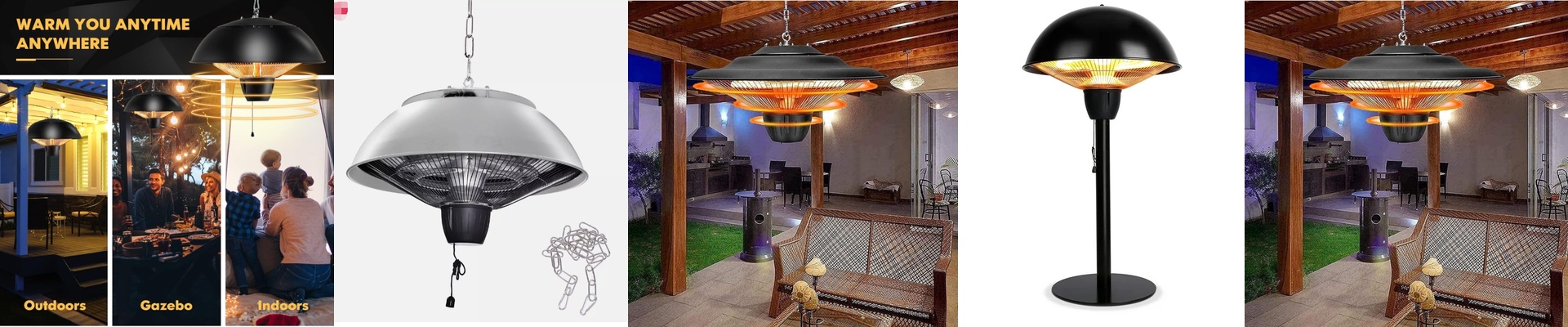
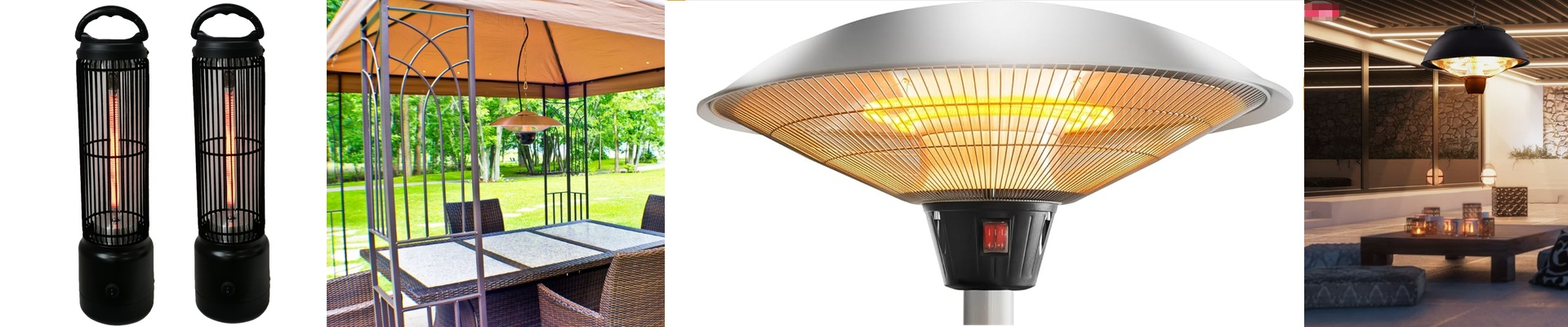
On a cool evening, the first flip of the switch tells you more than any spec sheet ever could. With a dimmable patio heater, that split-second between the click and the glow is a real-world check on what’s under the hood—the infrared heating element. If the warm-up feels slow and hesitant, you’re often looking at lower-grade materials and higher impurities. A fast, clean ignition usually points to a purer, better-engineered core.
What matters under the hood
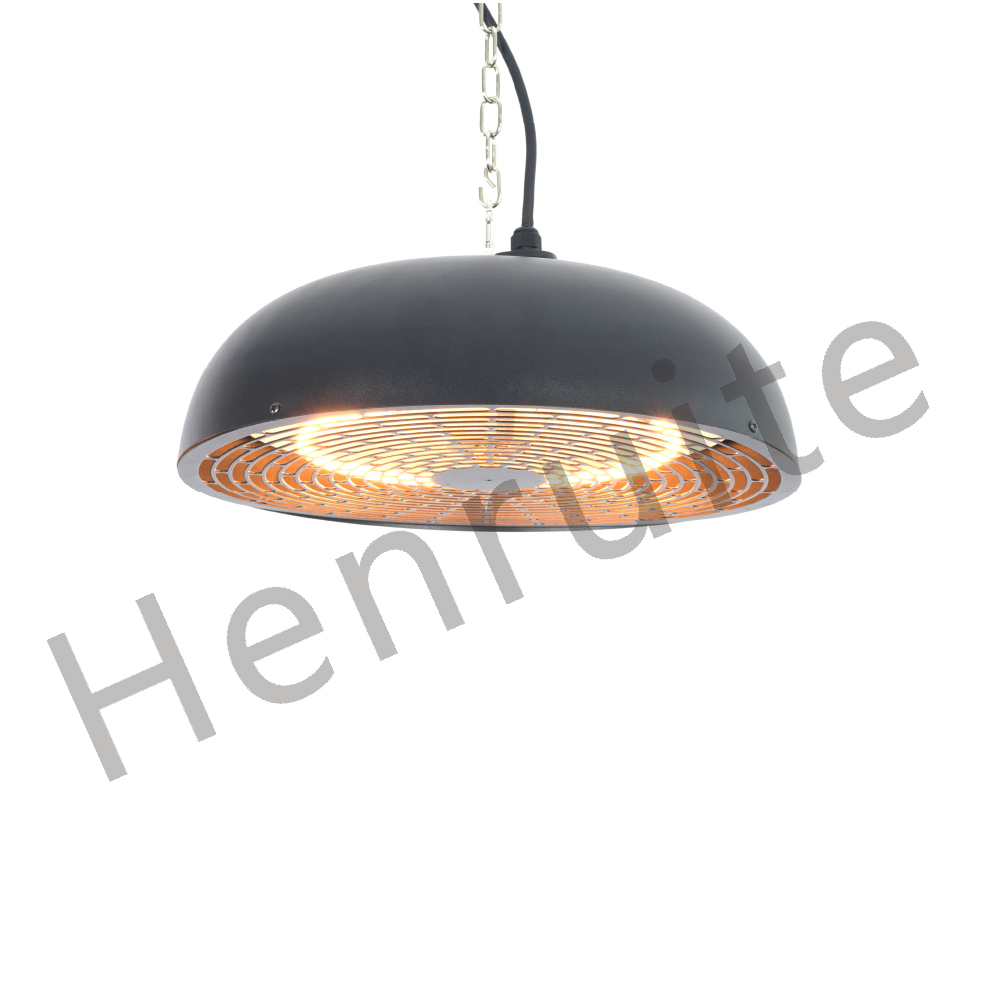
We build our dimmable infrared patio heaters around a carbon fiber element inside a sealed quartz tube. That setup keeps resistance stable, so the heater comes up to temperature quickly and holds steady across the power settings. The dimming control is a true stepless thermostat, not a basic on/off, so you can fine-tune output from a gentle glow to full warmth. Expect 1,500–2,000W on a standard 120V circuit, with a sealed housing and a tip-over switch that cuts power if the unit gets knocked off-level. For outdoor use, make sure the electrical compartment has an IP rating that keeps moisture and dust out.
Why it plays well in the real world
In practice, the payoff is straightforward: control without waiting. A high-purity element lights fast, so you get radiant warmth the moment you need it—whether you’re stretching an evening on the deck or warming a small outdoor seating area. Because the heat is directional, you feel it where you sit, not just in the air around you. The dimming function lets you match output to conditions—full power when the wind picks up, a lower setting once the sun drops—so you stay comfortable without overheating the space.
The details that save you headaches
Point the heater so it radiates directly onto people, and keep clearances honest—at least three feet from combustible materials. The unit needs a dedicated outlet, and don’t run it on an undersized extension cord; voltage drop can make the dimming act up. In wet conditions, confirm the IP rating and keep the control panel dry. One practical trade-off: infrared warmth is immediate, but it only heats what it touches, so the ambient air near the edges can stay cooler.