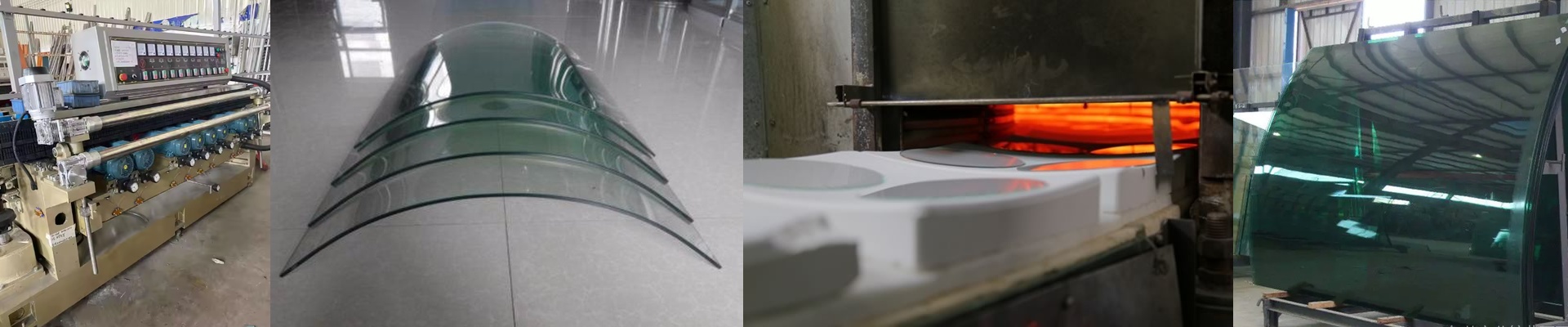

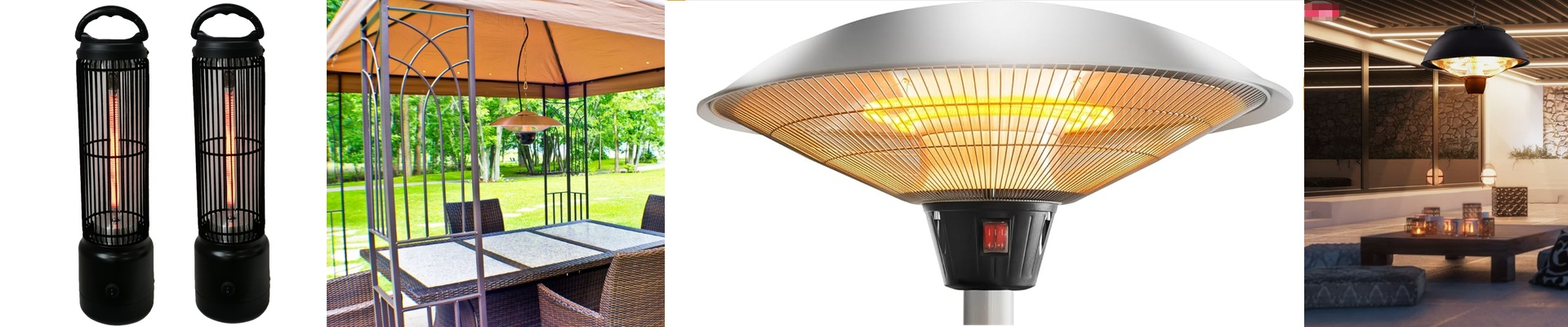
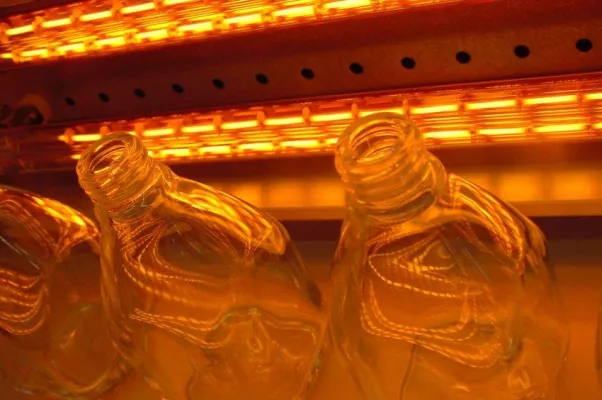
Getting Your Glass R&D Heat Exactly Right
If you’ve ever tried using a standard, off-the-shelf infrared heater for glass research, you know the frustration. They give you a generic heat curve that just doesn’t cut it. When you’re working with new glass compositions, the transition temperature is incredibly tight. You can’t just “get close”—you need to know exactly where the heat is hitting and how fast it’s ramping up.
It’s More Than Just the Size of the Tube
Most suppliers think “custom” just means making a tube longer or shorter. That’s not really customization; that’s just resizing. We look at it differently. We focus onpower density. By tweaking the filament winding and the wattage per centimeter, we can shape the thermal profile across the entire length of the heater. Why does that matter? Because it kills the hot spots. No more cracked prototype samples or weird, uneven viscosity in your melt. You can actually tell us the exact wattage you need for specific zones, which basically lets you mimic a massive industrial furnace right on your benchtop.
Speed and Freedom
Thermal lag is a nightmare. That’s why we use short-wave technology. The moment you tweak the voltage, the surface temperature reacts. It’s almost instant. If you’re trying to catch that precise glass transition point during a ramp-up test, this is the only way to do it. We also give you total freedom with your parameters. You tell us the voltage and wattage you’re working with. If your power supply is locked into a specific rail, we’ll build the heater to fit it. One quick heads-up, though: if you push for extreme power density in a tiny footprint, you’re risking a filament burnout. Just make sure your PID controller is tuned right so you don’t overshoot.
Making Your Results Repeatable
At the end of the day, R&D is all about repeatability. You want to know that every single sample is getting the same amount of energy, no matter where it sits in the chamber. It takes the heater out of the equation. Now, the only variables are your additives or your chemical compositions. Pair this with a high-precision controller, and you’ve stopped using a glorified heat lamp and started using a real piece of material science gear.