Stop Letting Your Patio Go to Waste This Winter
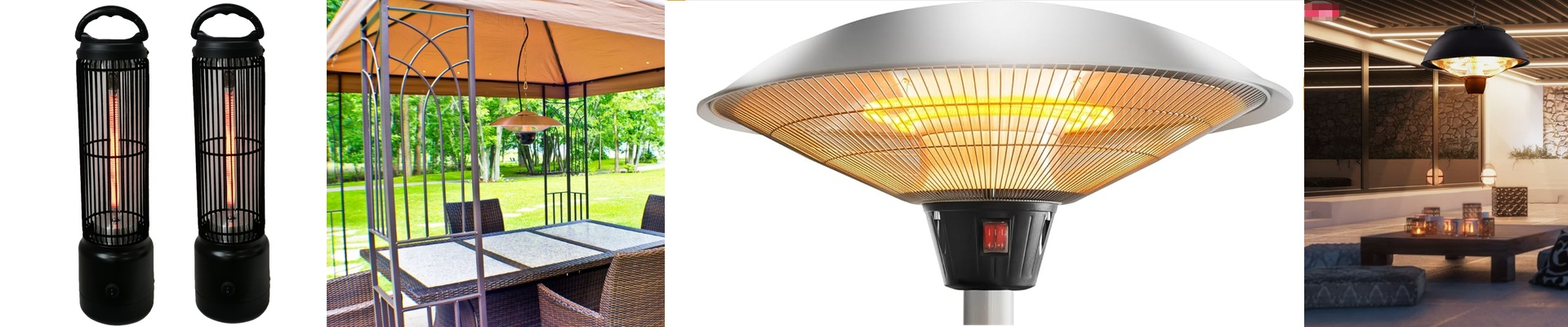
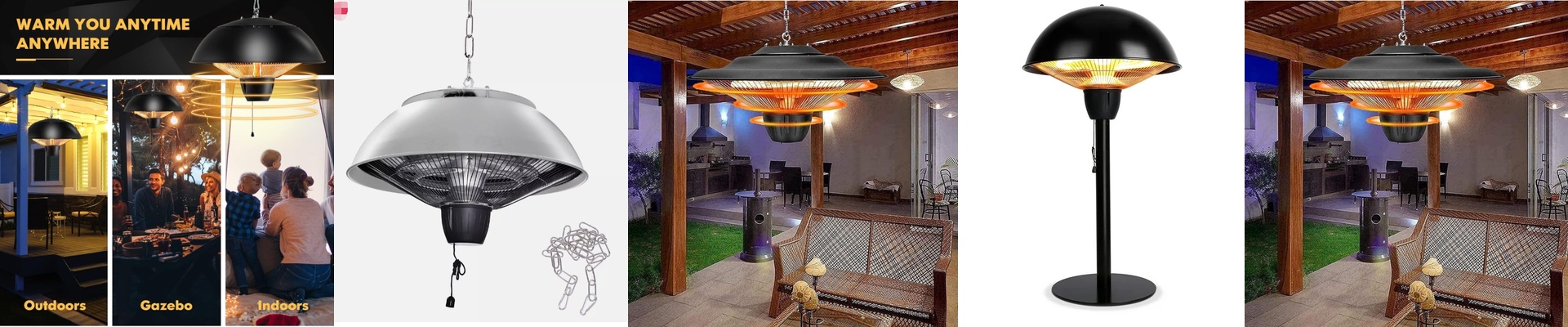
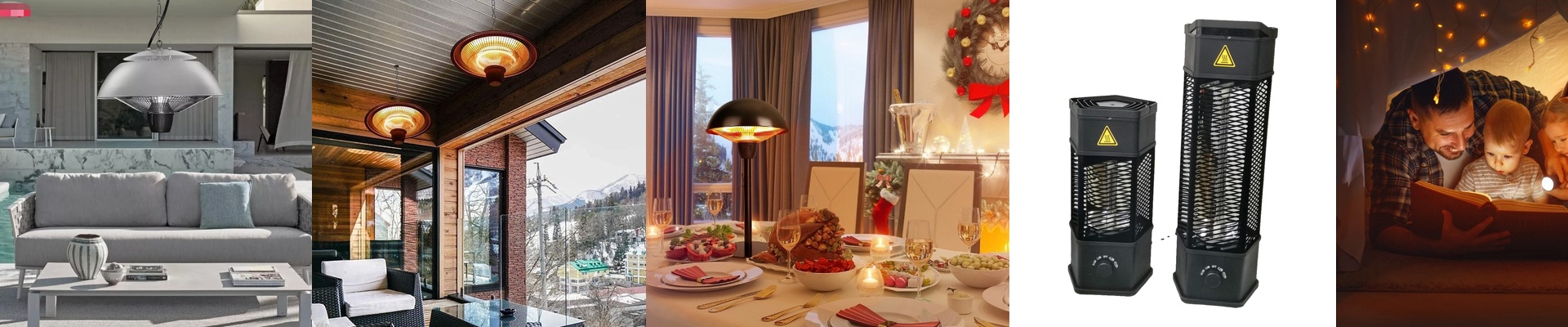
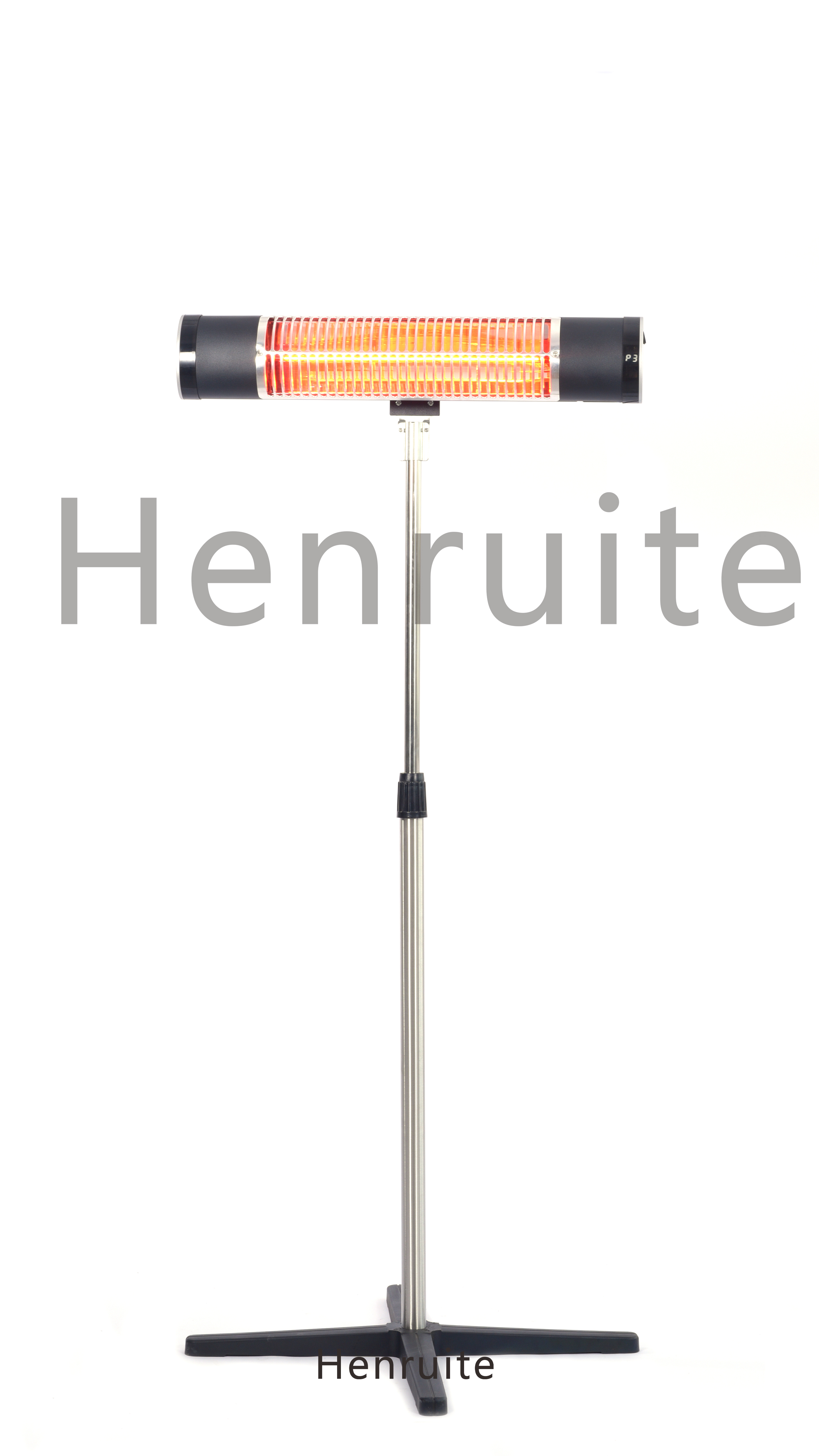
It’s a shame to see a great outdoor seating area just sitting there, empty, because it’s too cold for anyone to actually sit in. We’ve found a way to fix that using IP66 infrared heaters. The cool thing about these is that they don’t waste energy trying to heat the air—which just blows away the second a breeze hits. Instead, they warm up the people and the furniture directly. It feels like sitting in a patch of sunlight, even if it’s windy or drizzling outside.
Built to Take a Beating
Outdoor gear gets hammered. Between the rain, the snow, and the general grime of a busy patio, most heaters just give up. That’s why we stick to the IP66 standard. In plain English? It means the units are totally dust-tight and can handle being blasted with high-pressure water. You can hose down your deck or ride out a winter storm without worrying about the electronics frying. Most of these things fail because the seals leak. We use industrial-grade gaskets to keep the moisture out, so your heating elements actually last.
Heat That Actually Works
We use short-wave infrared technology. It’s a bit more powerful than the long-wave stuff you see in cheaper units. It travels further and hits harder. For a restaurant owner, this is a huge win. You can mount the heaters high up—so they aren’t in anyone’s face—and the heat still reaches the table. And it’s instant. Your guests aren’t sitting there shivering for twenty minutes waiting for the area to warm up. The second you flip the switch, they feel it. When people are warm, they stay longer, order more, and you actually get to use every seat you have, even in a cold snap.
A Few Things to Keep in Mind
Now, there is a catch. These units pull a lot of power. You can’t just plug them into a random outlet; you’ll need a dedicated circuit. If your electrical panel is already pushing its limit, you’ll probably need to upgrade your breakers so you aren’t dealing with annoying power trips in the middle of a dinner rush. If you’re putting in a lot of heaters, we suggest staggering when you turn them on. If you flip twenty of them at once, that initial power spike can be a bit much for some systems. Just a little trick to keep everything running smooth.