Why everyone’s switching to IPX5 waterproof infrared bathroom heaters
Here’s what’s happening in bathrooms these days: more and more people are swapping out the old radiant lamp heaters for infrared units that are IPX5-rated. And it’s not just because they look cleaner. It’s about peace of mind in a wet, steamy room. IPX5 means the heater can handle jets of water without shorting out internally—exactly what you want when things get humid and you’re spraying down the shower.
Power that’s fast, protection you can trust
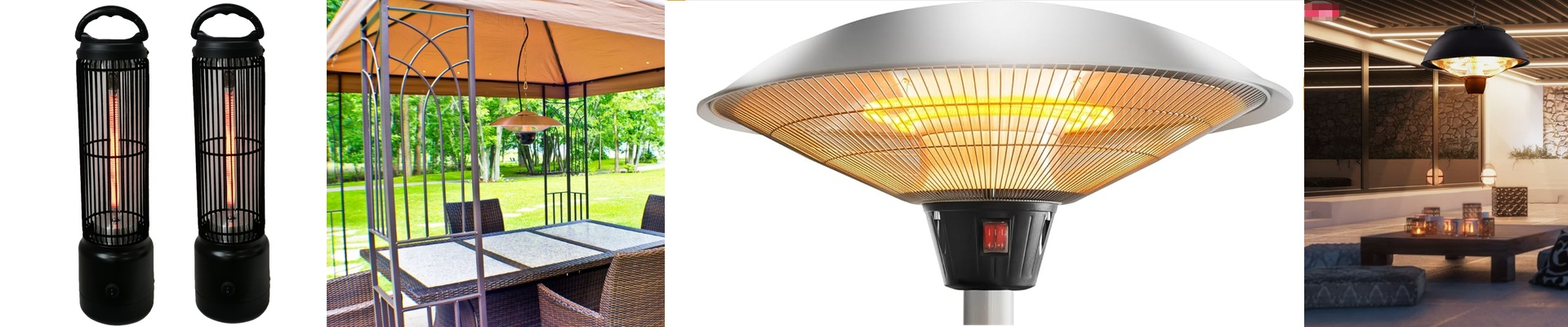
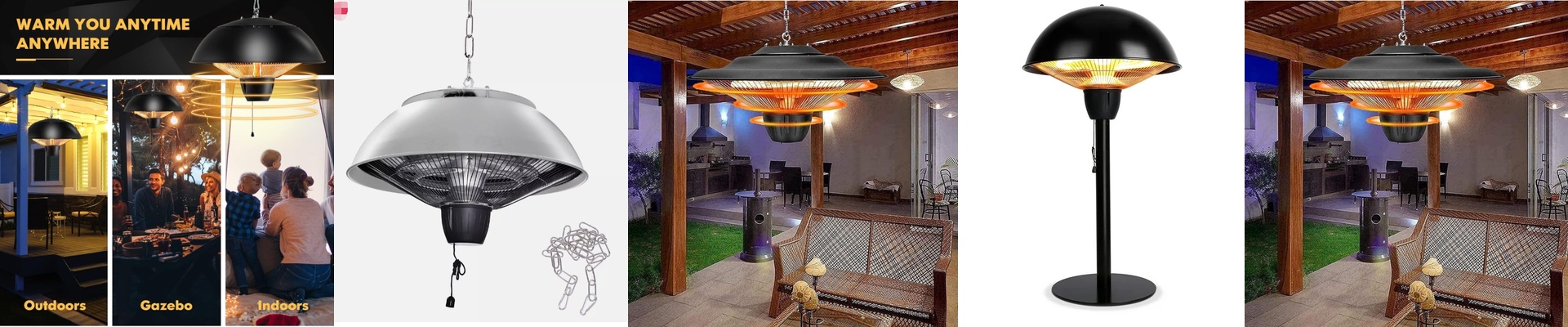
Inside these units, you’ve got high-density infrared elements. They run on 220V–240V or 400V setups and pull down serious wattage—anywhere from 1500W to 2500W. The result? Heat comes fast, and it’s focused. No waiting around. Better yet, you don’t need to rebuild your electrical system just to make it work. As for the waterproofing, the whole housing is sealed, with gasketed joints. That’s how it earns the IPX5 rating. So when you clean the bathroom or water splashes where it shouldn’t, the inside stays dry. And that’s a big deal, because older open-element heaters tend to fail right where moisture gets in.
Built tough: materials that don’t panic
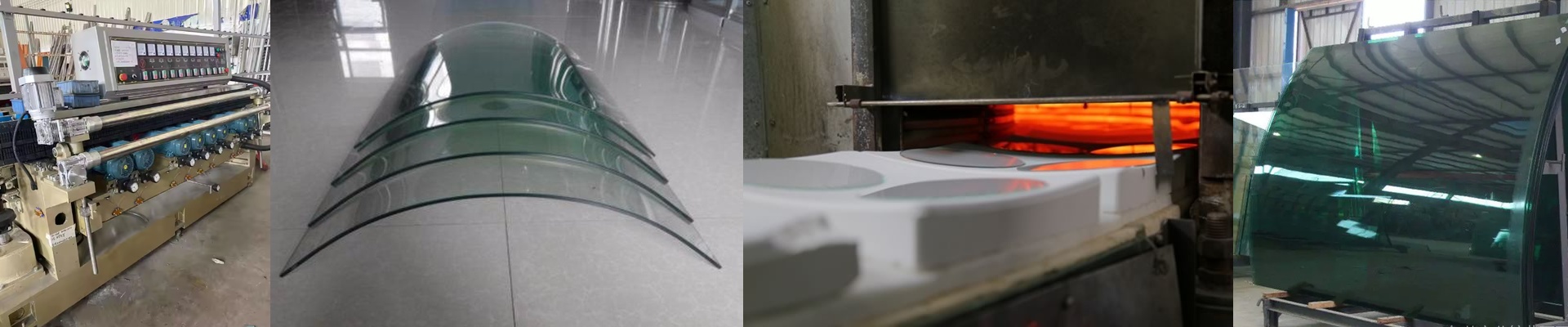
The heating element sits inside quartz glass tubes. Quartz handles sudden temperature changes way better than regular glass, so a splash of cold water while the unit is hot won’t crack it. Inside, the halogen cycle keeps the filament stable, which helps cut down on burnouts. And the connections? They’re made for heat. Standard R7s or Sk15 bases give you a solid, low-resistance contact. You wire it once, and it stays put—even after repeated heating and cooling cycles.
Why this makes sense in a real bathroom
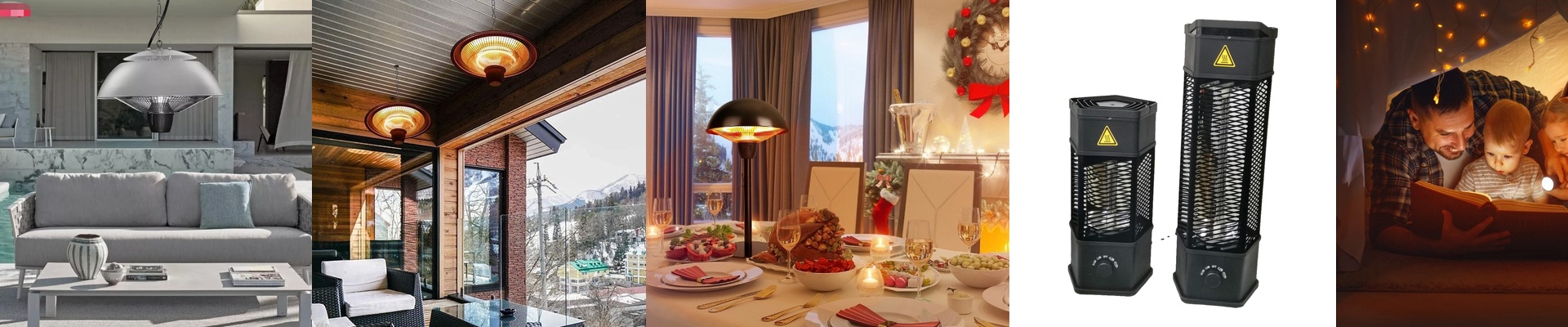
In the bathroom, this setup gives you quick, directional heat without taking up much space. Because it’s IPX5, you can even mount it right in the shower zone—no need to tuck it away in a dry, recessed enclosure. Now, it does pack a lot of heat into a small footprint. A 2500W infrared heater throws off serious warmth, so you’ll want your ventilation and ambient cooling to be properly set up. That way you won’t overheat nearby materials. For anyone doing the upgrade, it’s a straightforward swap that improves safety, lowers maintenance, and meets modern waterproofing expectations without redesigning the whole layout.