Getting the Heat Right in Large Glass Tunnel Kilns
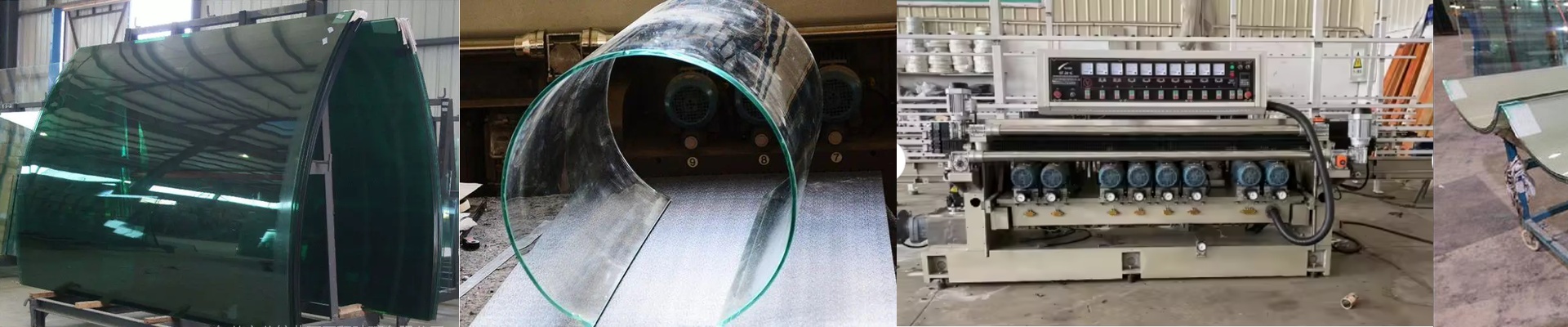
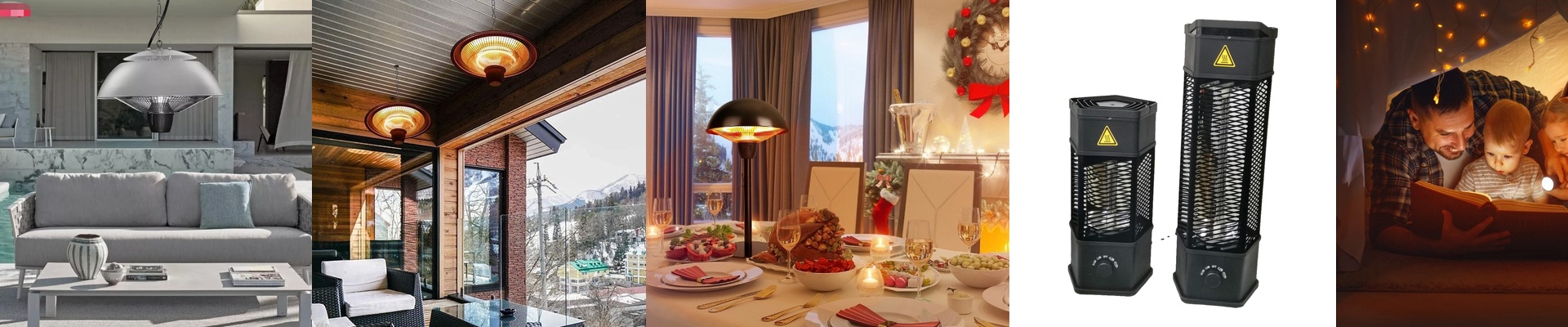
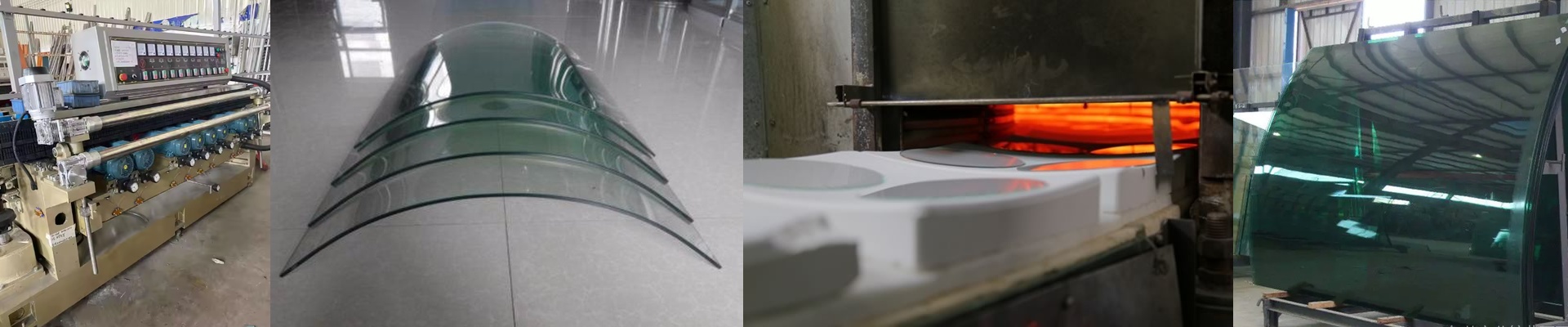
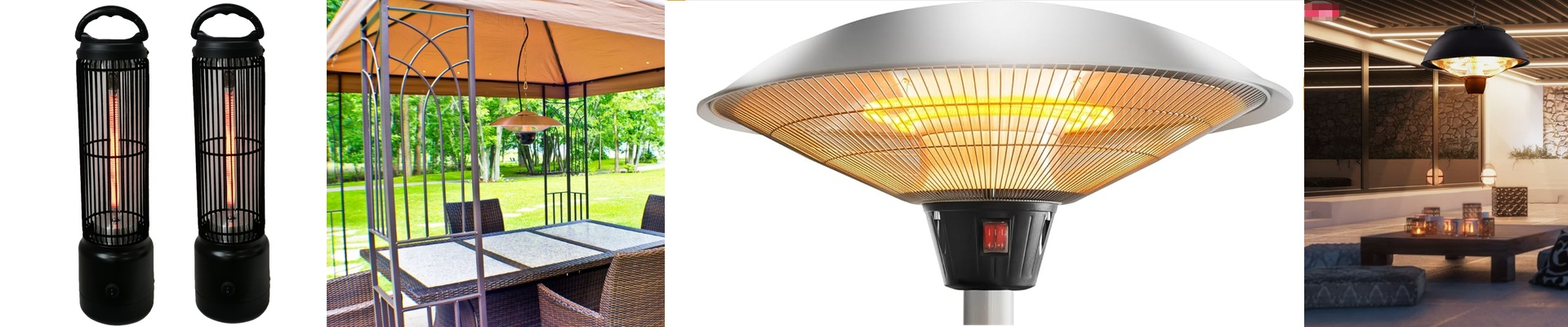
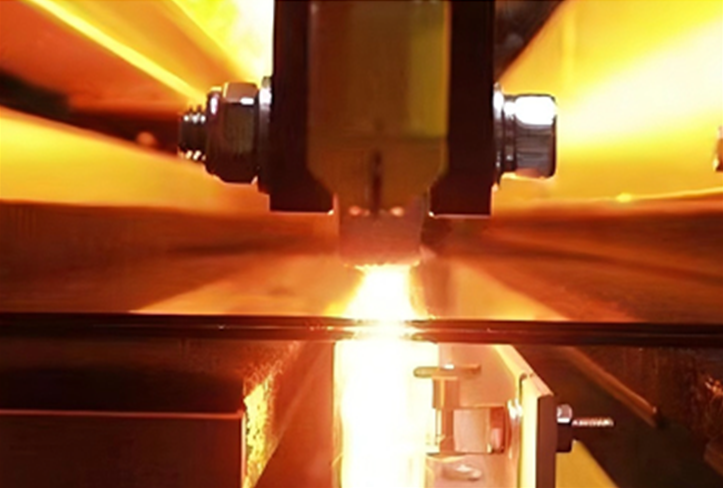
Most infrared lamps stop at 1.5 meters. If you’re running a massive glass tunnel kiln, that’s a problem. Those little gaps between shorter lamps create cold spots, and in the glass world, cold spots mean trouble. We fixed this by building single-tube units that go well beyond 2 meters. It keeps the heat steady and continuous across your entire conveyor. No gaps. No surprises. The tricky part: Voltage and Wattage You can’t just stretch a piece of quartz and call it a day. If you do, the resistance goes haywire. We spend a lot of time recalculating the filament length and diameter to make sure the power stays balanced. For these long-haul lamps, we usually bump up the voltage. Why? Because it stops the voltage drop that usually kills efficiency in long runs. The result is consistent wattage every single centimeter. Your glass doesn’t get a “thermal shock” as it moves from one zone to the next. It just stays hot. Dealing with the Quartz A 2-meter tube is a beast. We use high-purity quartz because it can actually handle the thermal expansion without cracking. But here is the thing: these tubes are long, and they will sag if you don’t treat them right. You need rigid mounting brackets every 30 to 50cm. If they bow, your focal point shifts, and suddenly your heat isn’t hitting where it should. Real-world talk These are built for the heavy lifting—high-throughput tempering and curing. One big plus? Using one long tube means way fewer electrical connections and wires cluttering up your kiln. Fewer joints mean fewer things that can break or burn out. Just a heads-up: a 2-meter lamp puts out a massive amount of concentrated heat. Make sure your cooling fans and ventilation are actually up to the task. You need to pull that ambient heat away from the ends of the lamp, or you’ll fry your sockets.