


How to Fit Serious Heat into Tiny Glass Repair Brackets
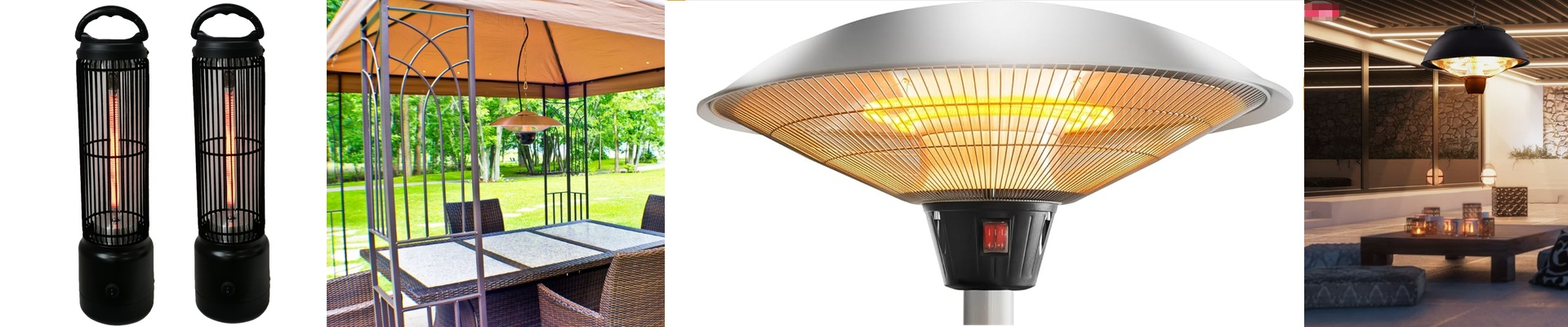
When you’re doing mobile glass repair, space is your biggest enemy. You aren’t working in a massive shop with a dedicated heating chamber; you’re usually crammed into a tight spot with a portable bracket. The struggle is real: you need enough heat to get the job done, but you can’t just crank up the power. If you do, you’ll either fry your housing or pop a fuse. The trick to managing power in a small space Since we can’t just throw more wattage at the problem, we have to be smarter about where that heat goes. This is where the reflector comes in. Instead of just letting the light bounce around randomly, we use precision gold or aluminum reflectors to tighten everything up. Think of it like a flashlight beam. By narrowing the focus, we push all that energy directly onto the glass. It lets a small, low-wattage lamp punch way above its weight class, doing the work of a giant industrial heater without the bulk. Shrinking things down without breaking them To keep the assembly small, we ditch the heavy housings. We use short-wave IR elements because they hit their target temperature almost instantly. But here’s the catch: heat soak. When everything is miniaturized, the lamp sits dangerously close to the frame. To stop the bracket from melting its own electronics, we use high-reflectivity coatings. This ensures the heat moves forward—toward the glass—and stays away from the guts of the tool. The balancing act You can’t just push for maximum speed. If you crank the wattage too high to shave a few seconds off the repair, you’ll burn out the lamp. Why? Because there’s nowhere for the heat to go at the end caps. It’s all about balance. If you’re using an aluminum frame, you’ve got to watch out for “thermal bridging.” You don’t want the heat migrating from the reflector straight into the handle—nobody likes a hot handle. And a pro tip: use high-temp silicone leads. In these tight quarters, standard insulation just won’t cut it, and a melted wire is the last thing you need in the middle of a job.