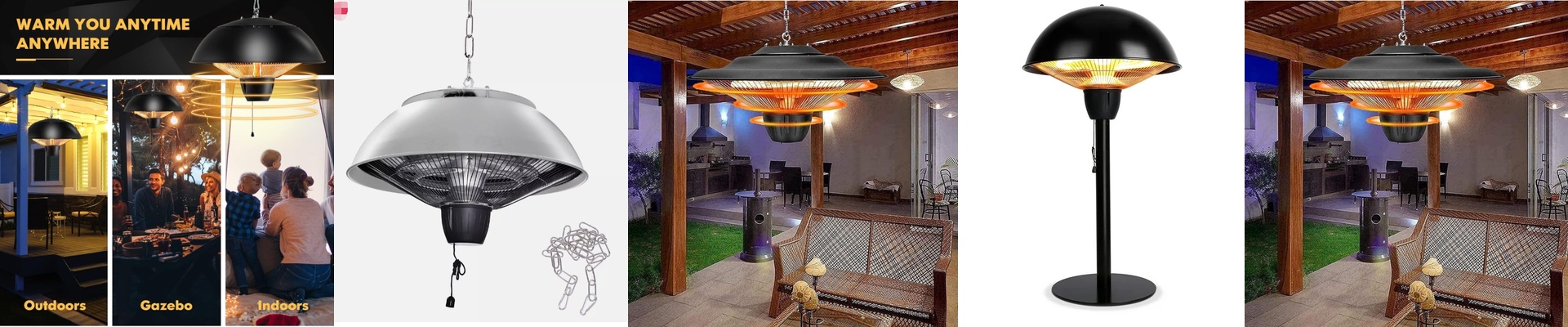
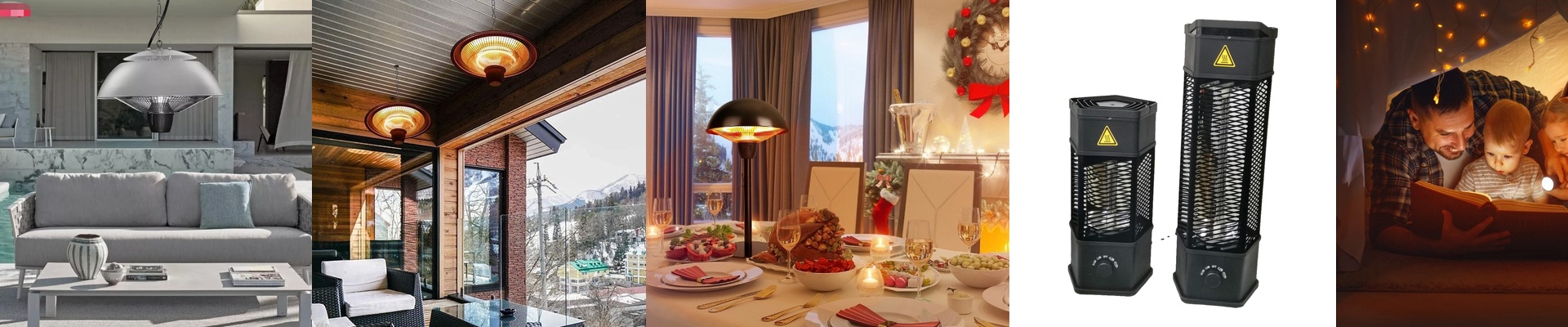
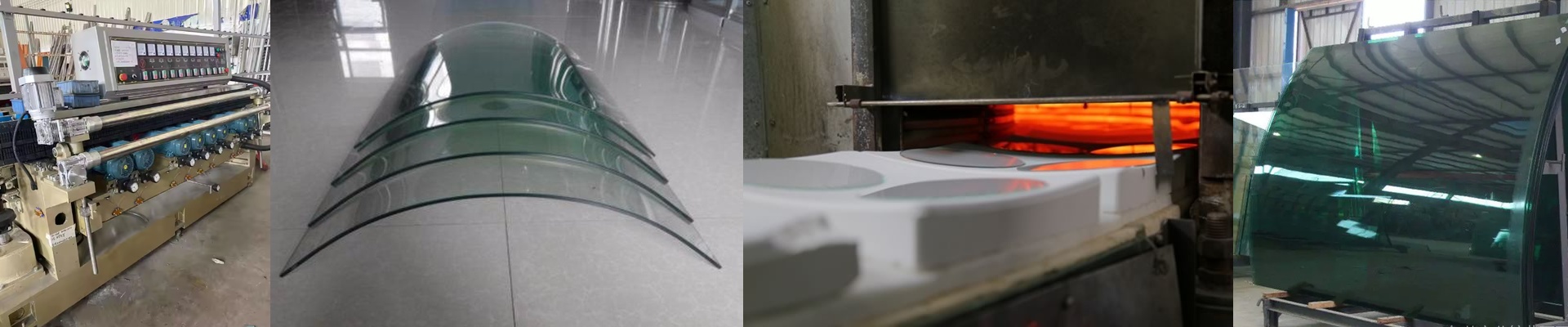
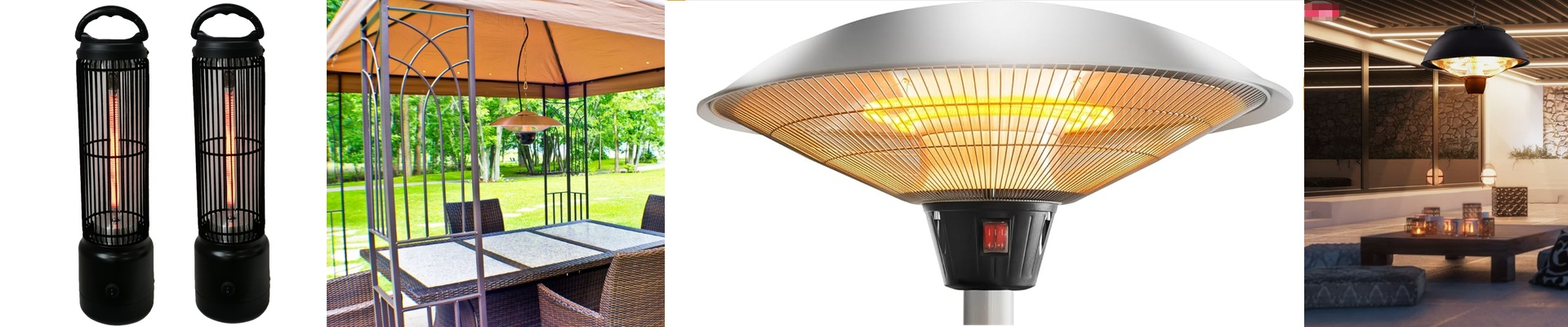
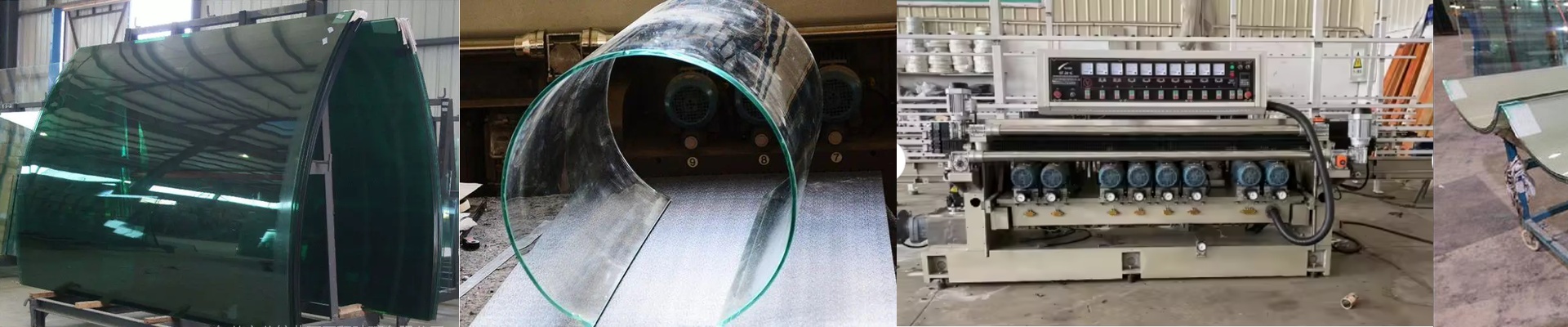
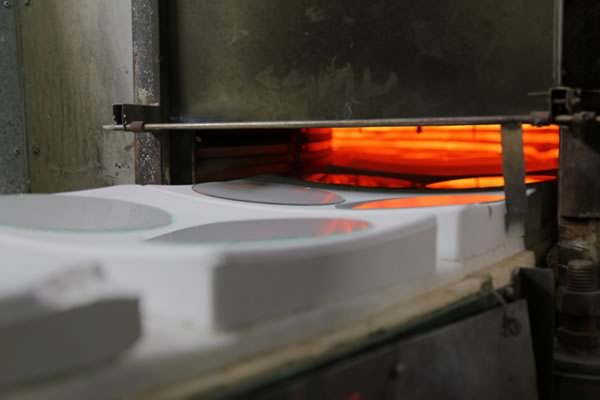
On the line, heat isn’t just heat. It’s the difference between a pane that makes it through and one that fails under thermal stress. In bending, tempering, lamination, and coating, inconsistent temperature or a sluggish ramp-up kills throughput and piles up scrap. We built our industrial heating modules to deal with that reality—delivering controllable, repeatable heat right where the glass process needs it. We run short-wave infrared (SWIR) emitters in a quartz envelope, tuned for fast response and high power density. The payoff is rapid ramp rates, tight temperature uniformity across the target, and direct coupling to the glass surface with minimal convection. Energy use comes down because heat is delivered on demand, not held in heavy mass. Modules can be configured in voltage and power density to match your line speed and glass thickness, and they integrate with existing PLC control for closed-loop temperature management. In bending, the module gets glass into the forming window quickly, cutting dwell and protecting optical clarity. For tempering preheat, it wipes out cold spots that create edge stress and breakage. In EVA/SGP/PVB lamination, it pushes the adhesive through cure without hot spots that cause bubbles or haze. For coating drying, it pulls solvent out fast, improving film quality and shortening the cycle. Across the board, you see fewer rejects, faster changeovers, and real kWh savings. Here’s the catch: these modules are line-of-sight heaters. They perform best when the emitting surface stays parallel to the glass and distance is controlled. Clearance and reflectors matter, so the layout needs a proper look before you retrofit. They aren’t plug-and-play into every legacy oven; wiring, cooling, and shielding have to line up. Expect higher peak power density than convection, but lower overall energy use when matched to the process window.