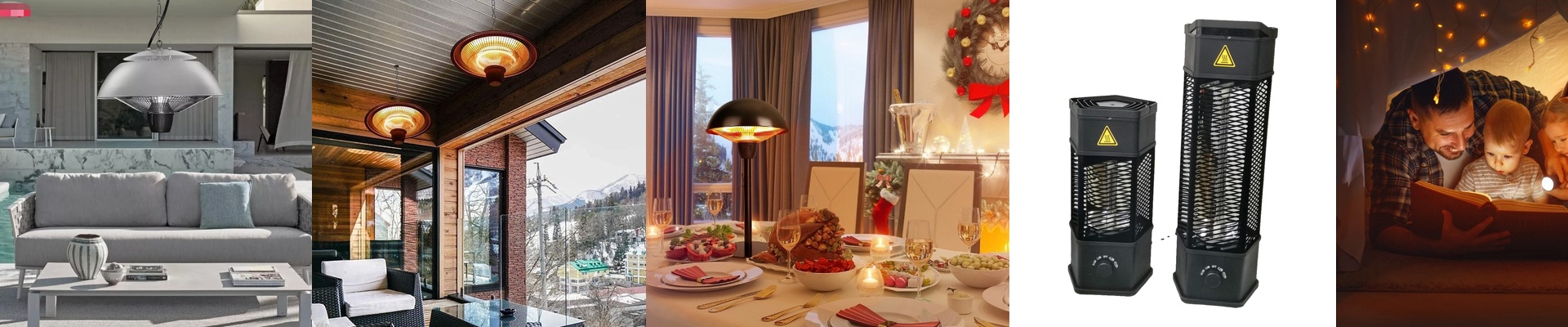
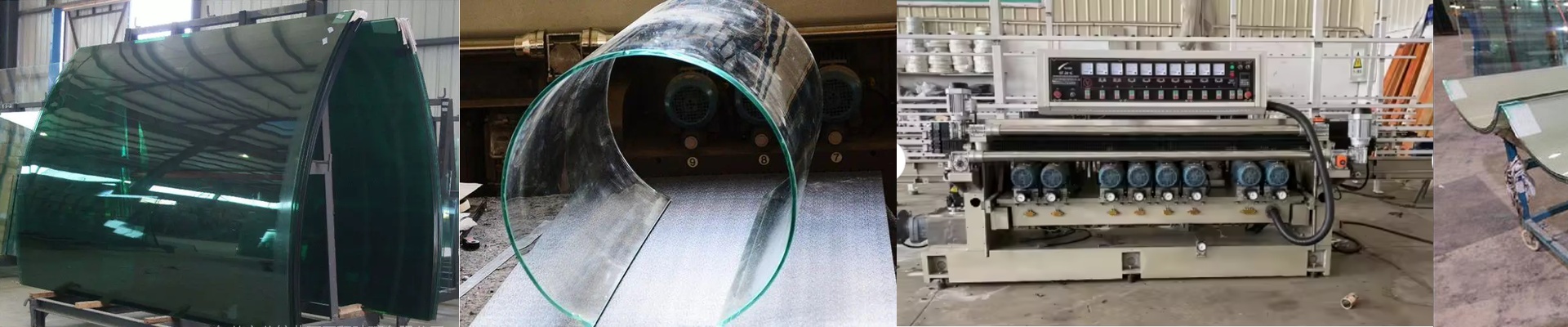
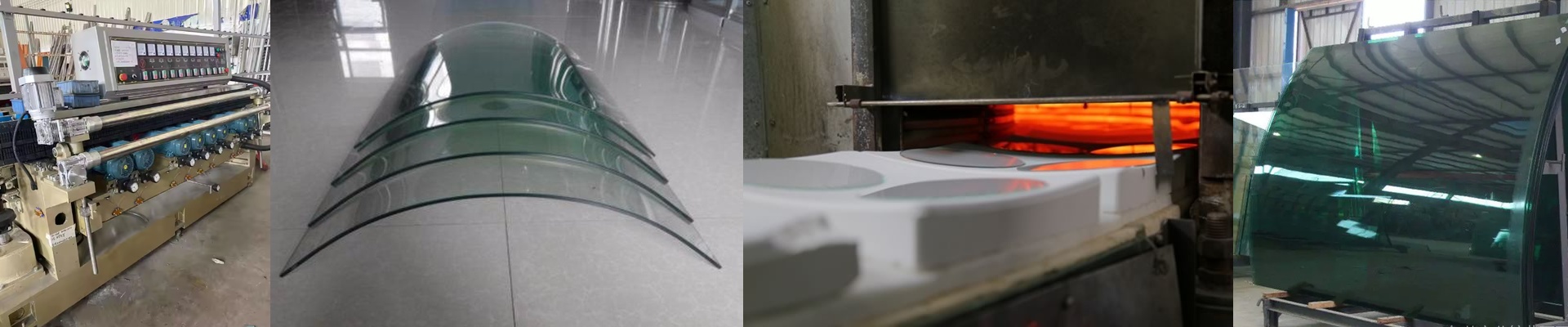
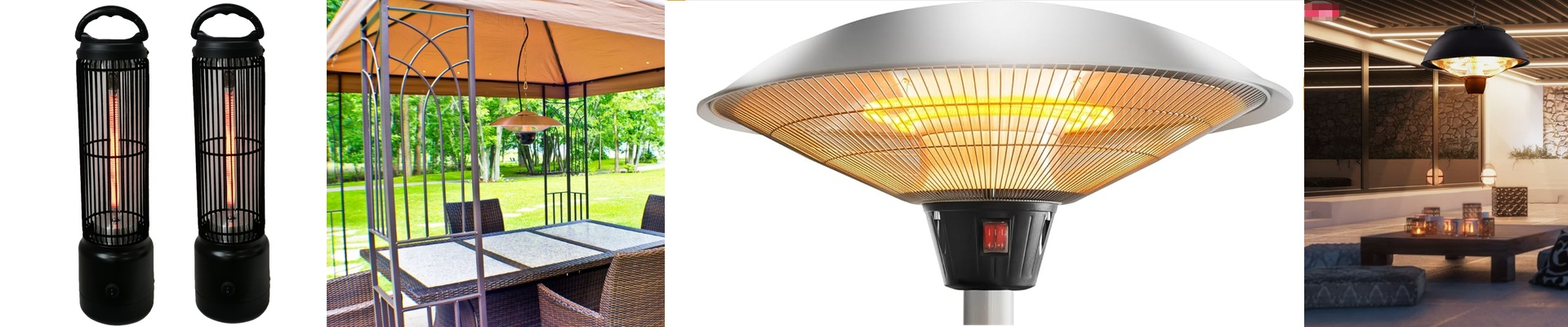
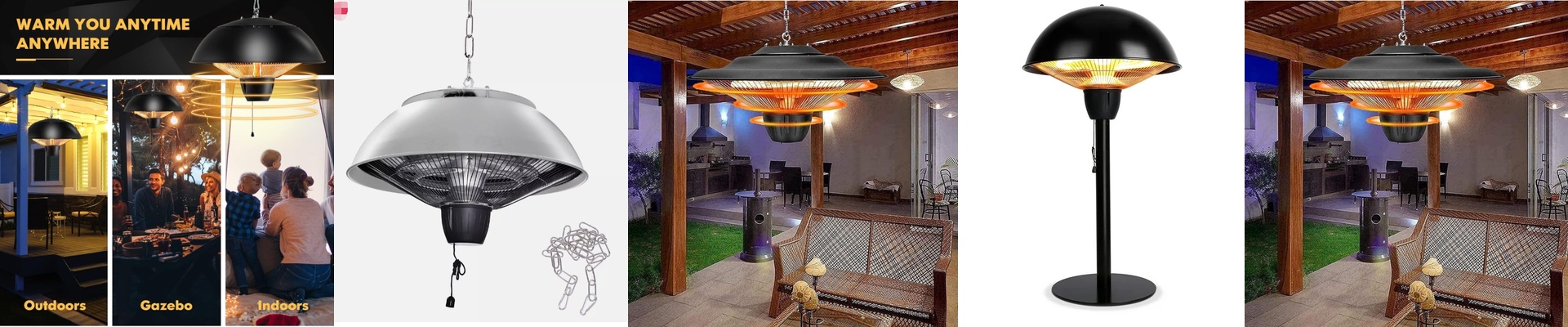
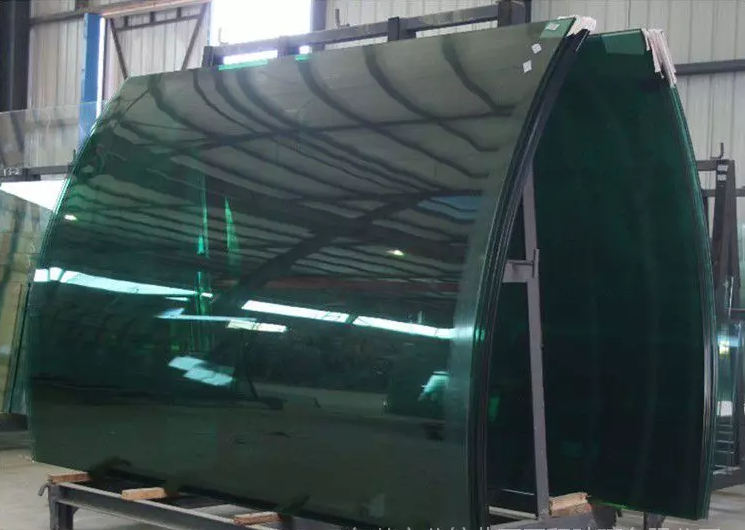
When the furnace door shuts, the clock starts ticking. You need heat you can bank on, not a guessing game. One cold spot, one overshoot, and you’re paying for optical distortion, thermal stress cracks, or a lamination bond that fails QC. Getting the glass to spec—instead of paying for rework—comes down to how cleanly and consistently the heat is delivered. What matters under the hood We spec our glass kiln heaters with short-wave infrared elements in high-emissivity quartz envelopes. The reason is simple: they respond fast and let you keep a tight rein on the thermal profile. Power is matched to the chamber geometry, typically 12–48 kW per zone, with voltage options from 240 V to 480 V and industrial connectors that can take repeated thermal cycling without complaining. The heater face stays clean and keeps convection disturbance low, so the glass sees a uniform radiant field—no hot streaks. Zone control holds temperature spread within ±2 °C across the load, and the system recovers quickly after the door opens and closes. Why this matters on your line In tempering and bending, you need the glass to hit the setpoint fast and even. That’s how you hold the shape and keep surface compression consistent. In EVA/SGP/PVB lamination, the film has to follow the cure curve without scorching at the edges. These heaters cut cycle time, trim scrap, and smooth out throughput. Energy use drops because the elements only fire when they’re needed, and the insulated body holds heat between batches. For insulating glass sealing, stable zone temperature translates into better edge-seal integrity—fewer callbacks. A few shop-floor notes Installation is straightforward, but clearances matter. Keep the heater at a safe distance from moving racks, and make sure airflow protects the terminals. Match the control strategy to your existing PLC or PID setup; the heater performs best when the ramp is programmed to glass thickness and coating emissivity. With very low-emissivity coatings, heat-up slows a bit—plan your recipe accordingly. Treat the system like a production tool, not just a heat source, and it will run shift after shift with repeatable results.