

Making Bathroom Heaters That Won’t Blind You (or Short Out)
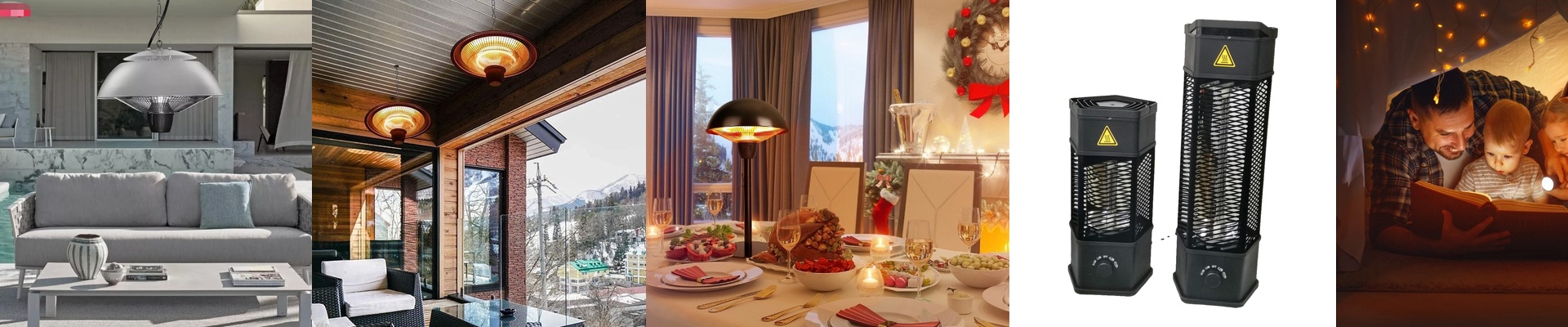
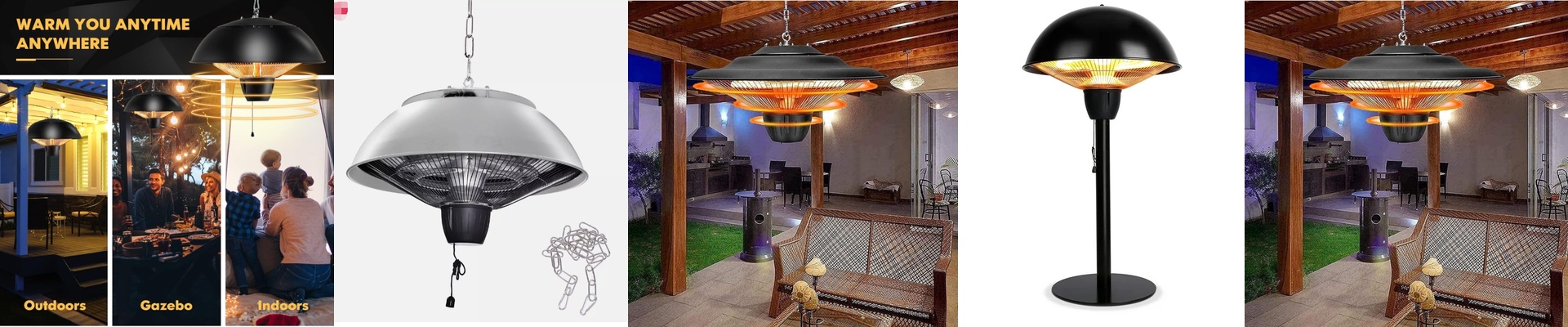
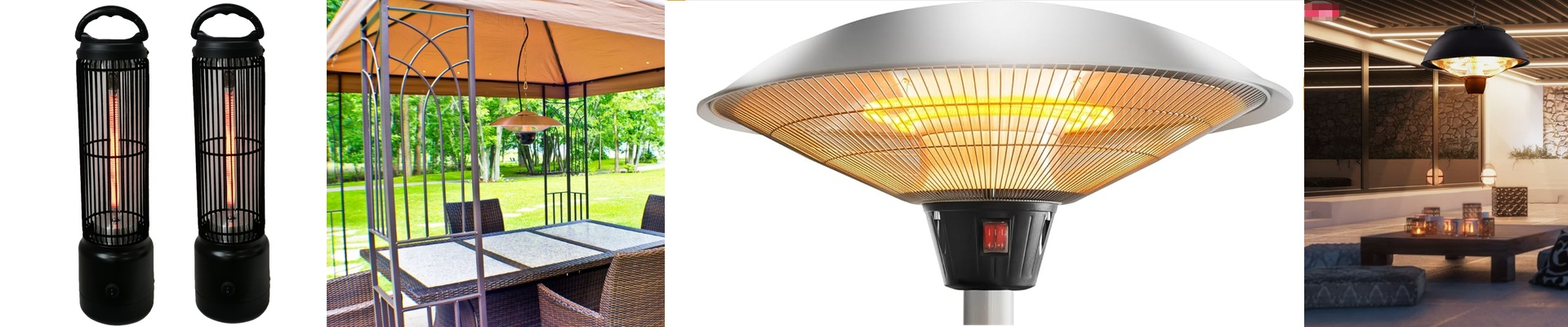
When you’re heating a bathroom, you can’t just throw raw power at the problem. It’s not about how much heat you can pump out; it’s about doing it safely. Think about a home with a baby or a toddler—you can’t have a heater that looks like a landing strip light. It needs to feel cozy, not clinical. The glare problem Most short-wave infrared lamps are blinding. They create that harsh, white glare that makes you squint. To fix this, we use special filters or coated quartz. Basically, we nudge the light toward the long-wave spectrum. This kills off the blinding visible light and UV rays but keeps all the warmth. You get the heat on your skin, but your eyes don’t feel like they’re being blasted. Keeping the water out Water and electricity are a nightmare pairing. That’s why we aim for an IP65 rating. In plain English? It means the thing is dust-tight and can handle a direct spray of water without breaking a sweat. We use high-temp silicone gaskets and tempered glass to make this happen. The glass is the key—it has to be tough enough that it won’t shatter if a splash of cold water hits it while it’s glowing hot. But there’s a catch. When you seal a heater that tight, the heat gets trapped inside with the wiring. If you put a high-wattage lamp in a tiny box, the wires can literally melt. We solve that by using Teflon or fiberglass braided wiring. It’s a small detail, but it’s the difference between a heater that lasts years and one that fails in a month. Keeping it simple Nobody wants to rip a whole fixture out of the wall just because a bulb went out. We design these for quick swaps. Standard connectors make it easy to pop a new element in and get back to your day. Just a heads-up: make sure those gaskets are seated perfectly when you put it back together. If they’re crooked, your waterproof seal is gone. And obviously, we don’t mess around with grounding. In a damp bathroom, that’s the one thing you absolutely cannot skip.