Stop Letting Your Patio Go to Waste in the Winter
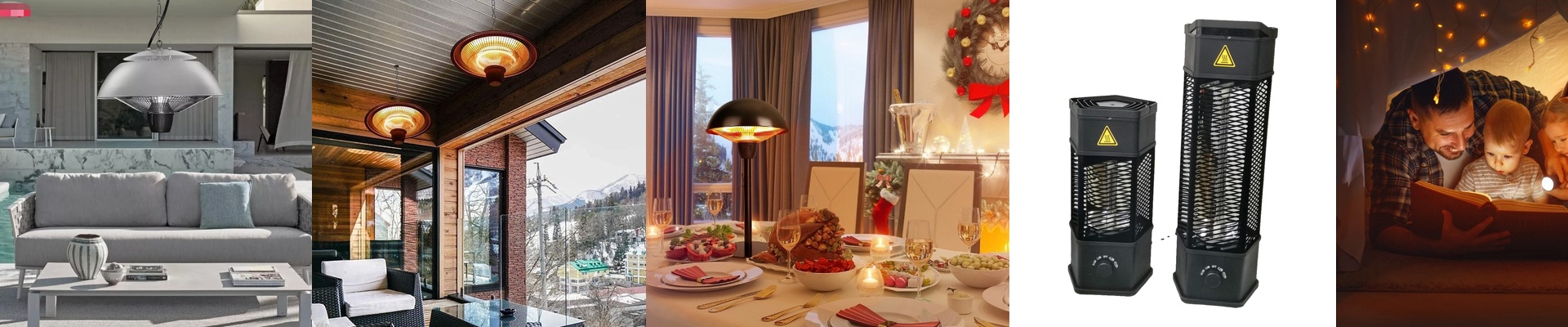
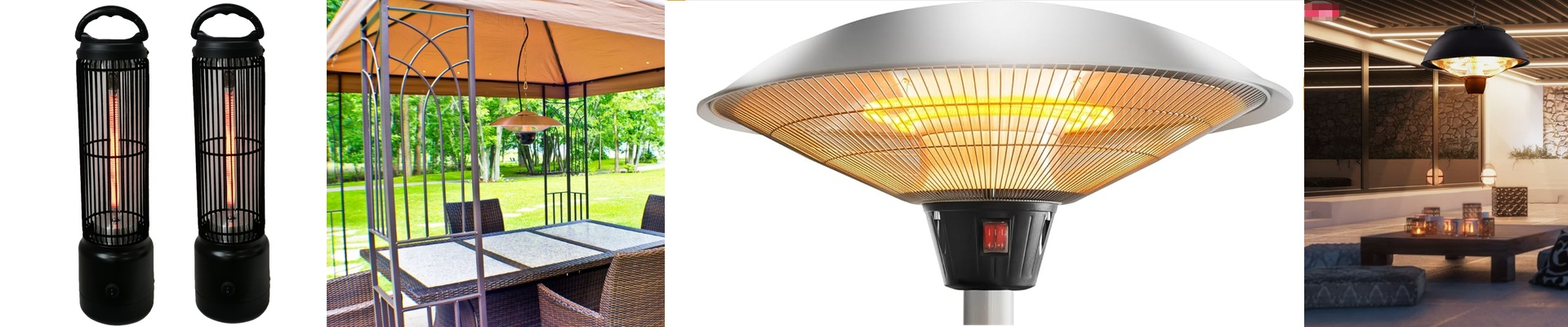
It sucks seeing your outdoor tables sit empty just because the temperature dropped. You’ve got the space, but nobody wants to freeze while eating a burger. That’s where IP65 infrared heaters come in. Here is the secret: they don’t bother trying to heat the air. If you use those old forced-air blowers, the wind just carries the heat away. Infrared is different. It beams heat directly onto your guests. It feels like sitting in the sun on a spring day, even if it’s freezing outside. The “Weather-Proof” Part When we talk about “IP65,” we’re really just saying these things are tough. They’re sealed tight against dust and can handle rain or snow without shorting out. You don’t have to panic when a storm rolls in. We usually go with shortwave emitters. Why? Because they’re instant. There’s no annoying “warm-up” period. You flip the switch, and people feel the heat immediately. A Quick Warning on Power Depending on how high your ceilings are, we usually install units between 1500W and 3000W. The higher the wattage, the further the heat reaches. But look, you’ve got to check your breakers. A few 2kW heaters running at once pull a lot of power. The last thing you want is the lights going dark right in the middle of the Friday night dinner rush. We always suggest dedicated circuits just to be safe. More Comfort, More Revenue It’s simple math. If a customer is shivering, they want to leave. They’ll skip the dessert menu and the second round of drinks just to get back to their warm car. When they feel cozy—around 22-25°C—they linger. They order that extra glass of wine. They actually relax. That’s how you bump up your average check without even trying. Getting the Placement Right One thing to watch out for: these lamps get incredibly hot at the source. If you hang them too low, your guests are going to feel like their shoulders are being toasted. We recommend a gap of at least 2.2 meters. If your patio has a low roof, don’t just force a high-power lamp in there—you’ll overheat the mounting surface. In those cases, just go with a lower-wattage lamp. It’s a much safer bet.