


Why Your Bathroom Heater Keeps Dying (And What Actually Works)
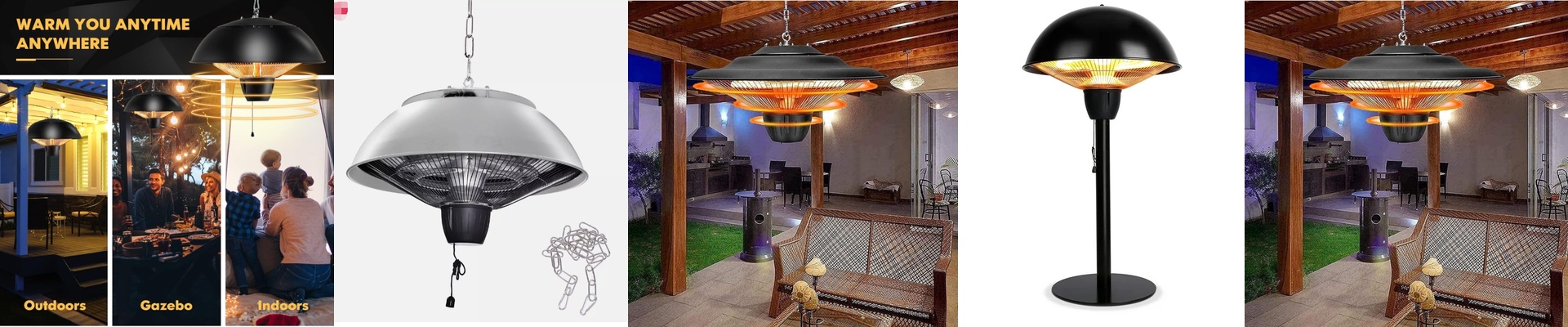
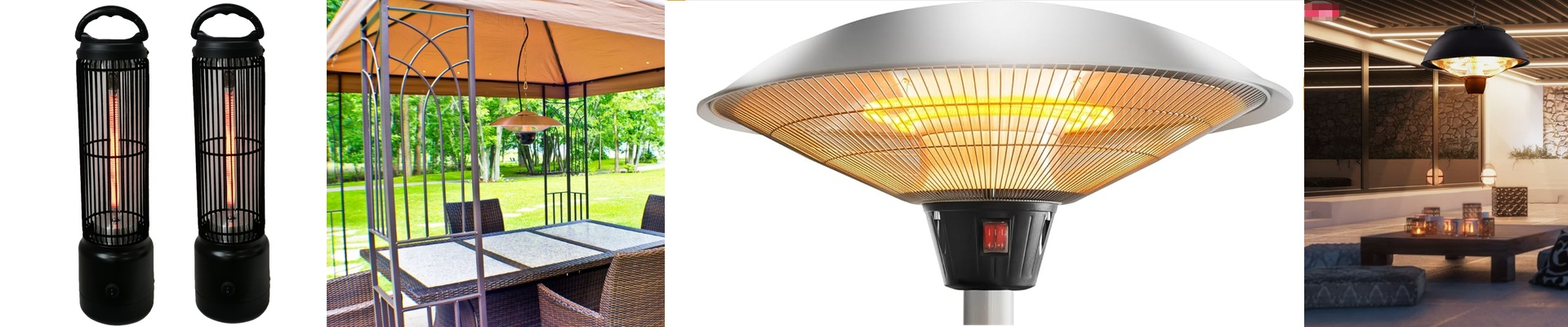
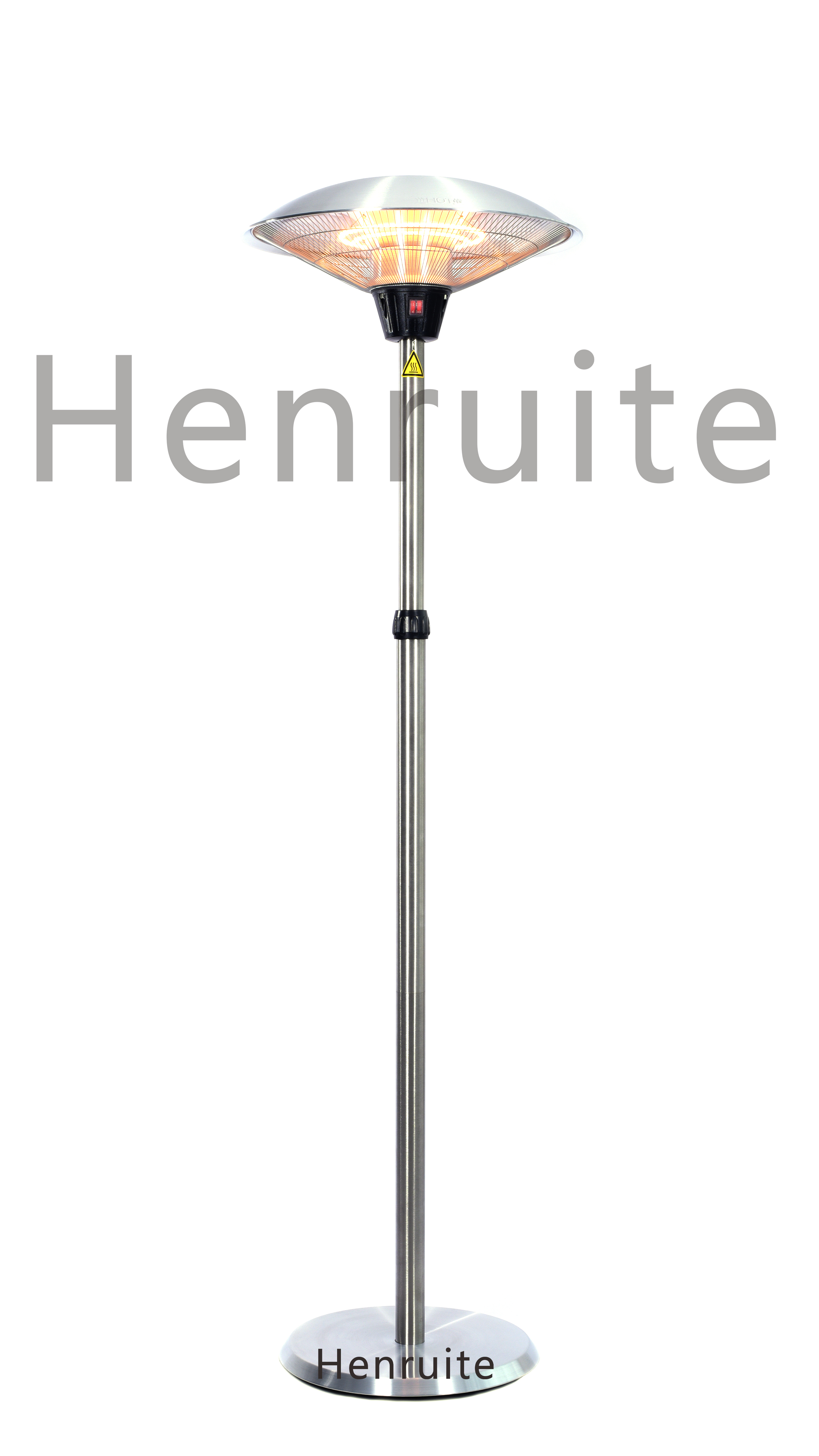
Ever notice how those old-school bathroom heaters—the ones that look like heat lamps—always seem to quit right when you need them? It’s usually because they just aren’t built for the steam. You’ve got all that moisture floating around, and eventually, it finds a way inside, fries the wiring, and that’s it. Game over. That’s why we’ve been moving toward IP65-rated infrared heaters. If you aren’t a tech nerd, “IP65” basically just means the thing is sealed tight. It keeps dust out and can handle water splashing at it from any direction. In a steamy bathroom, that’s a big deal. We use these because they have proper gaskets that stop moisture from hitting the electrical bits. No leaks, no short circuits, and no “burning out” after six months. But the real magic is in how they actually heat you. Most heaters try to warm up the air. The problem? Warm air is lazy—it just floats straight to the ceiling. You’re left standing there shivering on a cold tile floor while the ceiling is toasty. Infrared is different. It doesn’t care about the air. It sends out waves that hit your skin and the walls directly. It feels more like stepping into a patch of sunlight on a winter day. It’s immediate. Whether the room is drafty or dripping with steam, you feel the warmth the second you flip the switch. Putting them in is pretty straightforward, too. You can mount them on the wall or the ceiling, and since they pack a punch in a small package, you don’t have to mess around with bulky ducts or crazy renovations. Just a couple of things to keep in mind. First, placement is everything. Infrared has a “throw” distance. If you mount the heater too high, you won’t feel nearly as much heat. You have to pick the right wattage for the height of your ceiling, otherwise, you’re just heating the top of your head. Also, these things gethot. Really hot. If you’re installing one in a tight space, make sure you use a safety guard. You don’t want anyone accidentally brushing against the emitter. It’s a simple switch, but it makes a world of difference when you’re stepping out of the shower on a freezing Tuesday morning.