
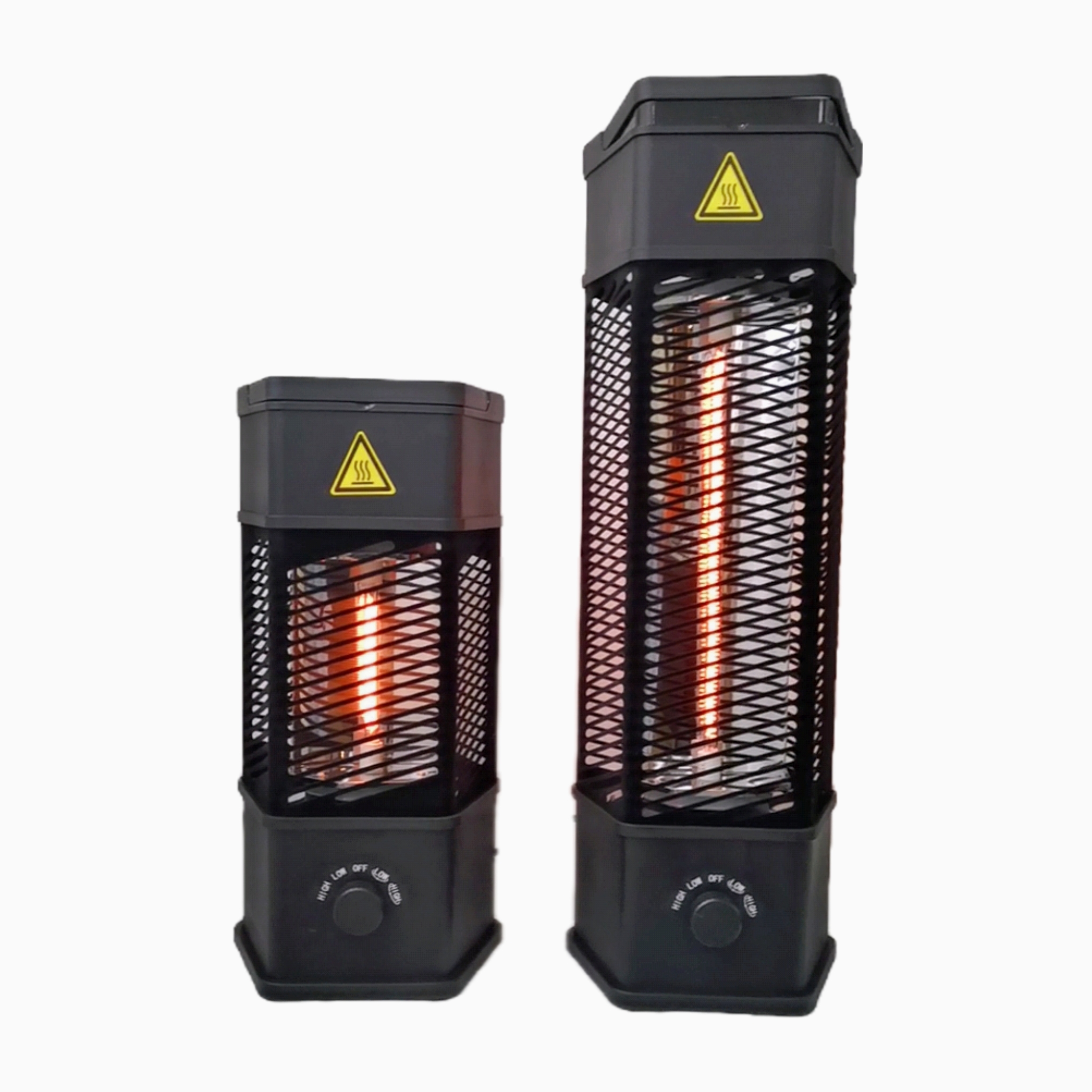
Why Your Infrared Heaters Actually Break
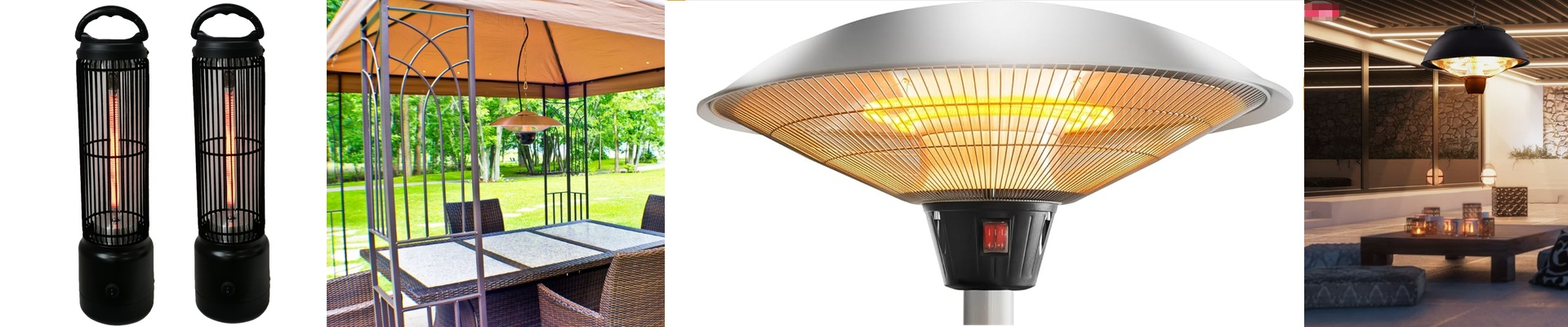
Here is a little secret about infrared towel rails: it’s rarely the heating element that gives up the ghost. Usually, the failure happens right at the connection point. Think about it. When these heaters hit peak temp, the lead-wires are caught in a brutal tug-of-war between extreme heat and cooler air. Most manufacturers just gloss over the gap where the wire enters the quartz tube or the housing. That’s a mistake. That tiny gap is an open door for oxygen and moisture. They sneak in, eat away at the insulation, and leave it brittle and cracked. The problem with “cheap” seals A lot of the stuff on the market uses basic heat-shrink or low-temp silicone. It works for a while, but after a few hundred heat cycles? It just burns out. We do things differently. We use high-grade ceramic-to-metal seals or specific epoxy resins. The key here is that these materials expand and contract at the exact same rate as the quartz tube. If they don’t match, you get a microscopic gap. It’s invisible to the eye, but it’s a disaster for the hardware. Once that gap opens, the lead-wire is basically sitting in a furnace. The insulation chars, the electrical strength tanks, and—boom—you’ve got a short circuit. Keeping things tight We spend a lot of time obsessing over the “transition zone.” By using a stepped sealing process, we can push the heat away from the electrical contacts. You want a seal that keeps the internal gas locked in and the outside world out. When a unit leaks, those internal gases escape and actually “poison” the tungsten filament. That’s why some lamps just die way sooner than they should. A tight, industrial-grade seal stops that from happening. One thing to keep in mind There is a trade-off. Because our seals are high-spec, the point where the wire exits is much stiffer. You can’t just bend these wires into a sharp angle like you would with some cheap, plastic-coated wire. If you force a tight bend during installation, you might actually crack the seal. Just make sure your housing layout gives the wire some room to breathe. Give it a natural curve, and it’ll last a lifetime.