

Keeping Your Ceiling Heaters From Quitting on You
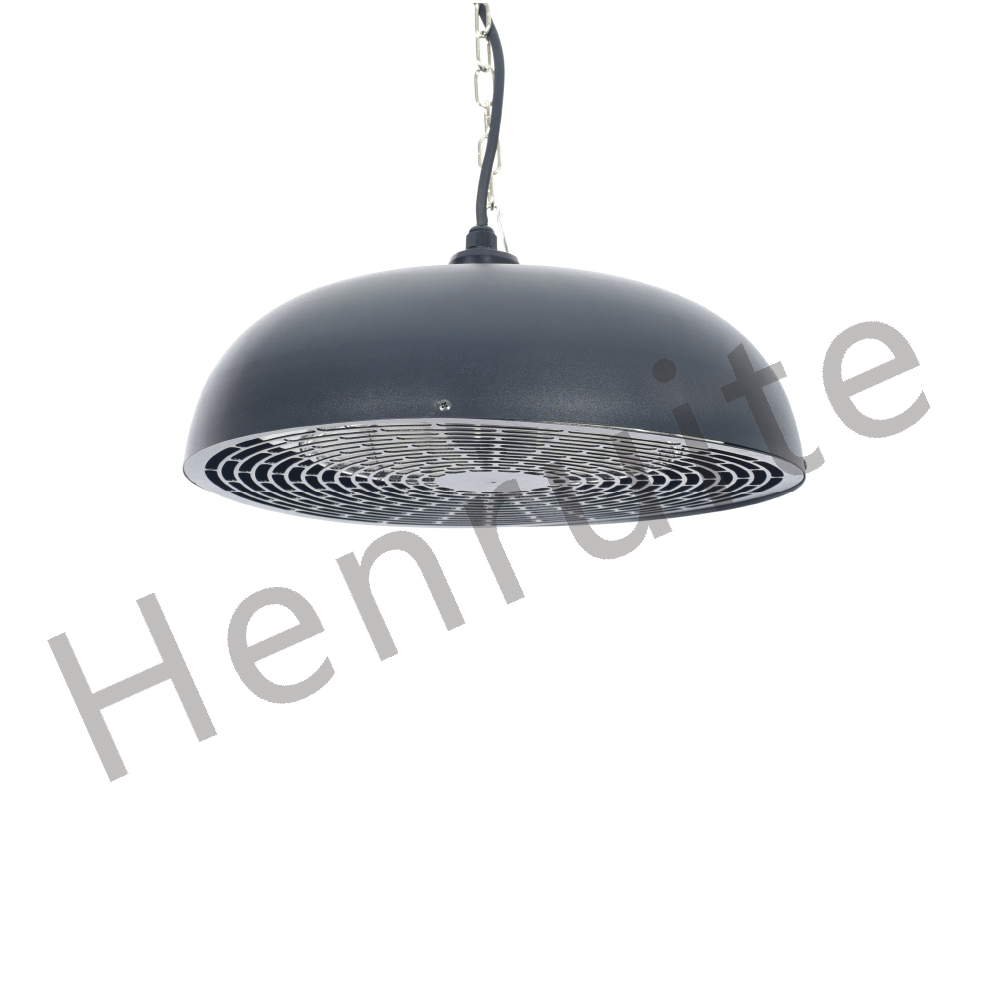
If you’re putting infrared heaters in a ceiling—especially in a place with lots of steam or water—you’ve got a bit of a battle on your hands. Steam and splashes are sneaky. They don’t just cause a quick short circuit; they slowly eat away at the electrical contacts and burn out the heating elements way before they should. We’ve spent a lot of time figuring out how to stop that from happening.
Dealing with Steam and Splashes
Water is basically the natural enemy of any ceiling heater. When steam hits a cold lamp or leaks into the housing, it creates a path for electricity to go where it shouldn’t. That’s how you end up with a ground fault. To fix this, we use a sealed chassis and specific gaskets. Think of it as a shield. The goal isn’t to make the heater something you can drop in a swimming pool. It’s more about stopping that annoying “drip-and-short” cycle you see all the time in bathrooms or industrial wash areas. By keeping the guts of the machine dry, we stop the corrosion from chewing through the connectors.
The Balancing Act: Air vs. Water
Here’s the tricky part. If you seal a heater too tight, you run into a new problem: heat buildup. If the wiring can’t breathe, the insulation can actually melt over time. It’s a trade-off. We’ve balanced the sealing with specific venting paths so the unit stays cool, but the moisture stays out. One quick tip:**Make sure your ceiling cutout is exactly the size we recommend.**If it’s too loose, the gasket can’t do its job, and moisture will just seep right into your ceiling.
Making it Last
A protected heater just lives longer. It’s that simple. When dust and moisture build up on a lamp, they create “hot spots.” These spots make the quartz crack, which kills the heater. Our anti-fog design keeps that surface clean. The result? A steady, reliable heat that doesn’t give up on you halfway through the season.