

Why we’re swapping out old bathroom lamp warmers for IR heaters
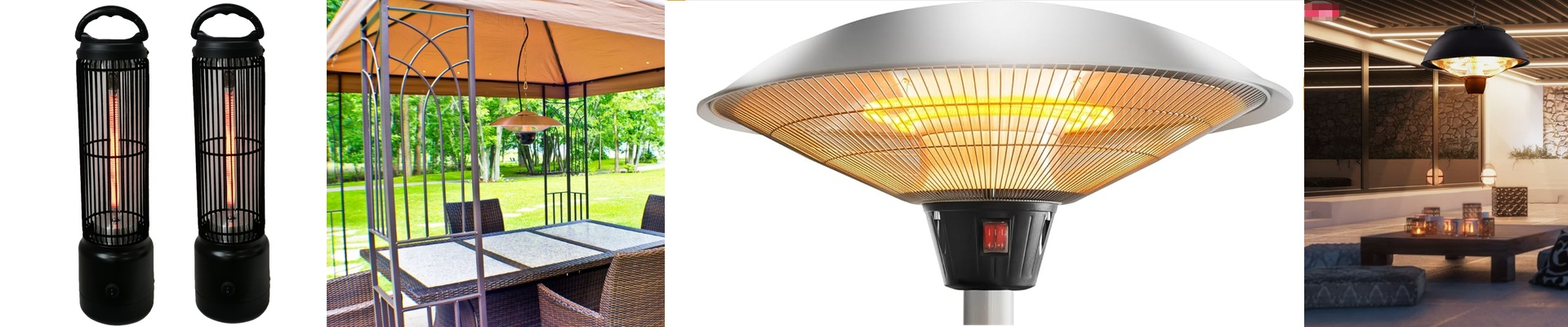
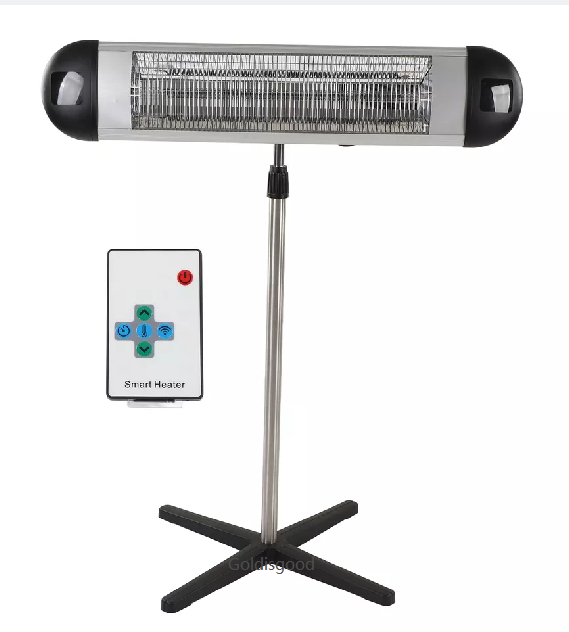
Let’s be honest: those old-school bathroom lamp warmers are kind of a joke. They use these massive incandescent bulbs that give off way too much light and not enough actual warmth. Plus, they just aren’t built for a room full of steam. It’s why so many of us are moving toward high-IP infrared (IR) heaters. It’s a completely different way of staying warm. It’s all about how the heat hits you. Most old heaters try to warm up the air. But if you’ve got a drafty bathroom or a window that doesn’t seal right, that warm air just vanishes. Infrared is different. It sends out waves that hit your skin or the floor directly. You don’t have to stand around waiting for the whole room to reach a decent temperature. You just turn it on, andboom—you feel the heat immediately. Dealing with the steam Bathrooms are basically torture chambers for electronics. Between the steam and the occasional splash, cheap units just corrode or short out. It’s a nightmare. That’s where the “IP rating” comes in. We use sealed quartz tubes and housings (usually IP44 or better) because they actually keep the water out. By using silicone gaskets and reinforced seals, we stop moisture from eating away at the electrical terminals. It means the thing actually lasts instead of burning out after a few months. A few things to keep in mind Now, IR isn’t some magic wand. It’s powerful. Like, really powerful. Because the heat is so concentrated, you can’t just slap one anywhere. If you mount it too low or pick a wattage that’s too high for a tiny room, you’re going to end up with “hot spots” that feel like you’re standing too close to a campfire. You’ve got to match the wattage to your ceiling height to get it just right. Getting it installed The good news? Most of these are designed to be drop-in replacements for those old light-warmers. We’ve made the wiring simple enough to work with standard bathroom circuits. But a word of caution:**get your grounding right.**Water and high-wattage heat are a dangerous mix. A solid ground is the only way to make sure your heater stays a luxury and doesn’t become a liability if there’s ever a leak.