Stop Waiting for the Air to Warm Up
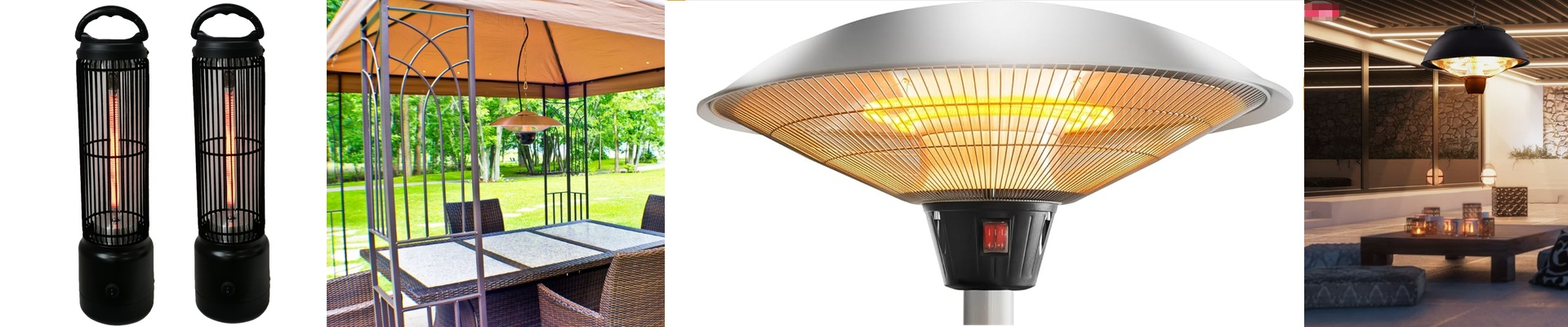
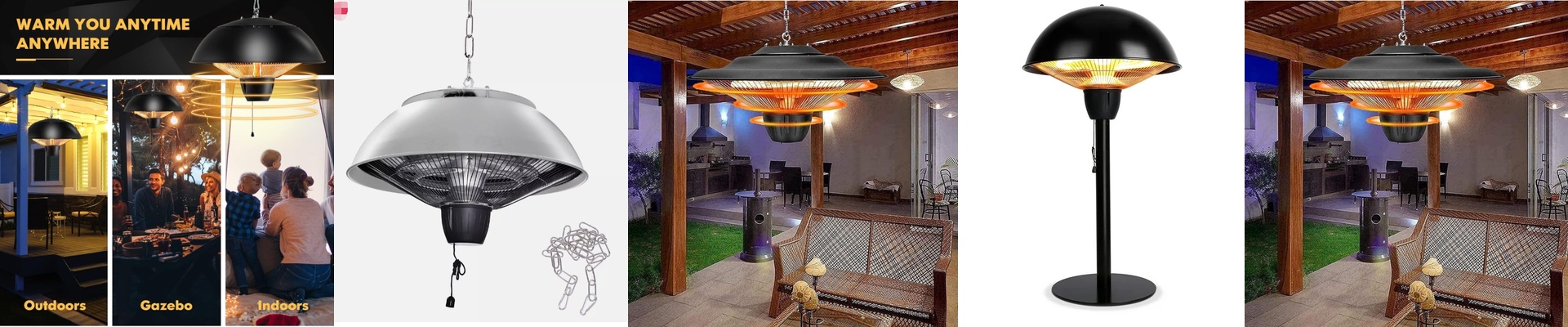
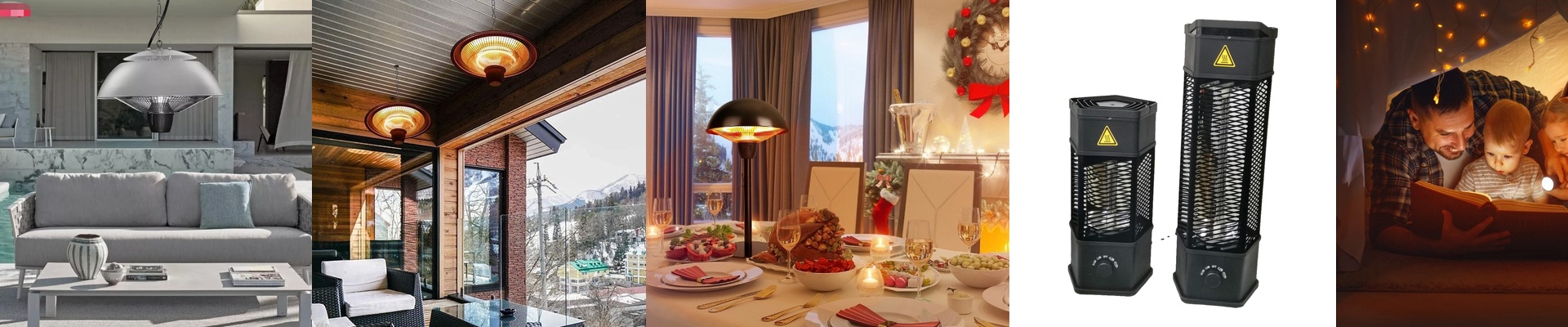
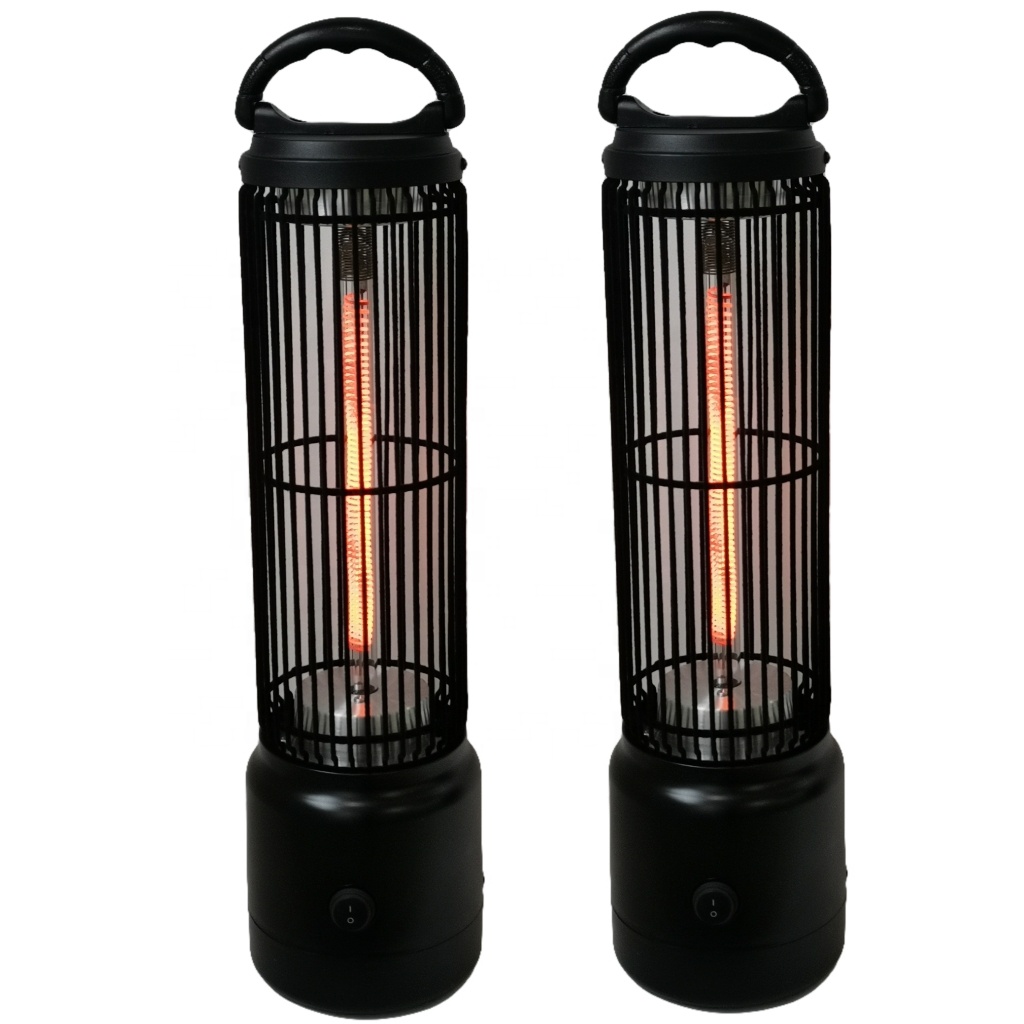
Most heaters have a major flaw: they try to heat the air first. It’s a slow process. You’re basically waiting for the room to soak up warmth before you actually feel it. We do things differently. Our infrared heaters skip the middleman. Instead of warming the air, they send out waves of energy that hit surfaces and objects directly. It’s the difference between standing in a breezy room with a heater and stepping into direct sunlight on a crisp morning. Whether it’s a freezing changing room or a damp chicken coop, you get that hit of warmth in seconds. Not minutes.Seconds.
Why “Direct Heat” Actually Works
If you’ve ever tried to heat a drafty barn or an open-air workspace, you know that forced-air systems are a joke. The heat just floats up to the ceiling where it does absolutely nothing for you. Our short-wave tech changes that. The heat goes straight to the animal or the floor. It doesn’t wander. It hits the target. This kills that annoying lag time you get with traditional heaters. You turn it on, and you feel it. Simple as that.
Built for the Messy Stuff
Let’s be real: agricultural settings are brutal on electronics. Moisture gets everywhere. Usually, that means burnt-out filaments and short circuits that leave you in the cold. To stop that from happening, we seal the heating elements and electrical junctions tight. We’ve focused on blocking out oxidation so these units can handle high humidity without just giving up on you. One quick tip on the setup: make sure your wiring can actually handle the wattage. If you’re running long cables, you might see a voltage drop. And if you’re installing a big array of these, double-check your circuit breakers. You don’t want the power tripping the moment you flip the switch.
Finding the Sweet Spot
Here is the trade-off. Because this heat is so intense and direct, it creates a “hot zone.” If you have one lamp, the spot directly underneath it will be toasty, but the edges of the room will still be chilly. You can’t just throw one unit in the middle of a big room and expect it to be perfectly even. The trick is to stagger them. Spread the units out across the space. This gets rid of those intense “hot spots” that can stress out your livestock or warp your materials, giving you a steady, comfortable warmth everywhere.