Stop Fighting Bathroom Mold With a Scrub Brush
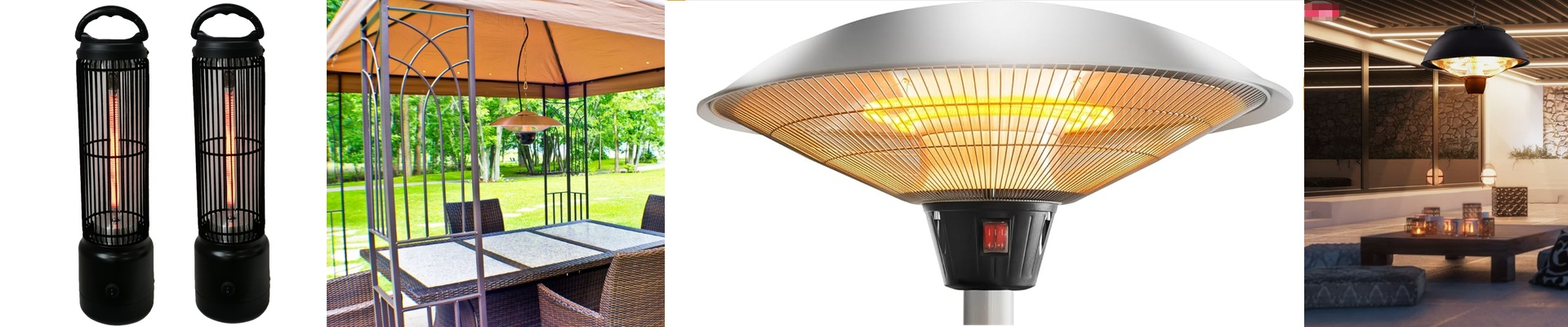
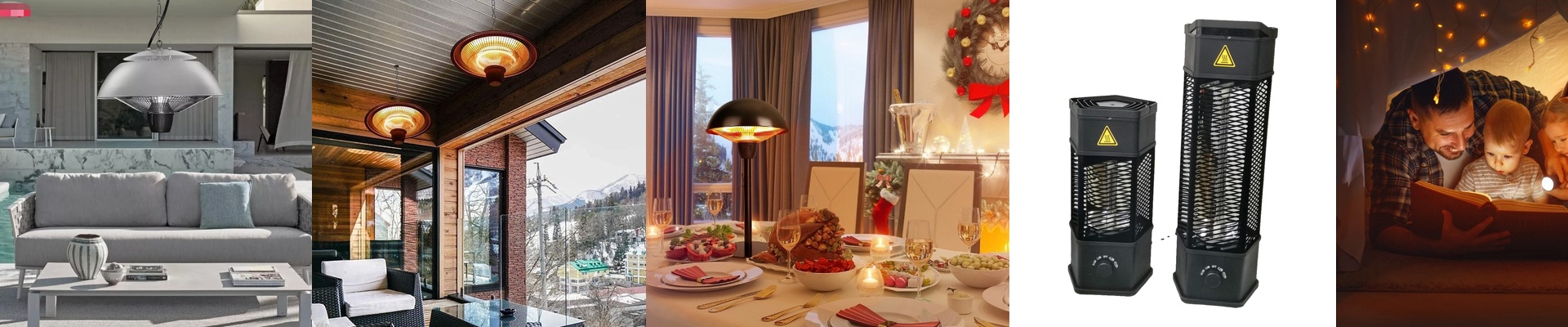
Most people think bathroom heat lamps are just for that cozy feeling on your skin when you step out of the shower. But we actually built these things to do something much more practical: kill the dampness that mold loves. It’s all about the light. We use specific infrared wavelengths that don’t just warm the air—they go after the moisture itself.
How it actually works
Standard heaters just warm up the room. They’re okay, but they don’t really solve the moisture problem. Our lamps use short-wave radiation. Think of it as energy that dives straight into the water sitting on your surfaces. It makes those water molecules vibrate and move fast, forcing them to evaporate quickly from the places mold loves most—like your grout and those annoying silicone seals. When you mount these in the ceiling, you’re basically creating a heat shield. It keeps condensation from ever settling on your cold walls in the first place.
The gear inside
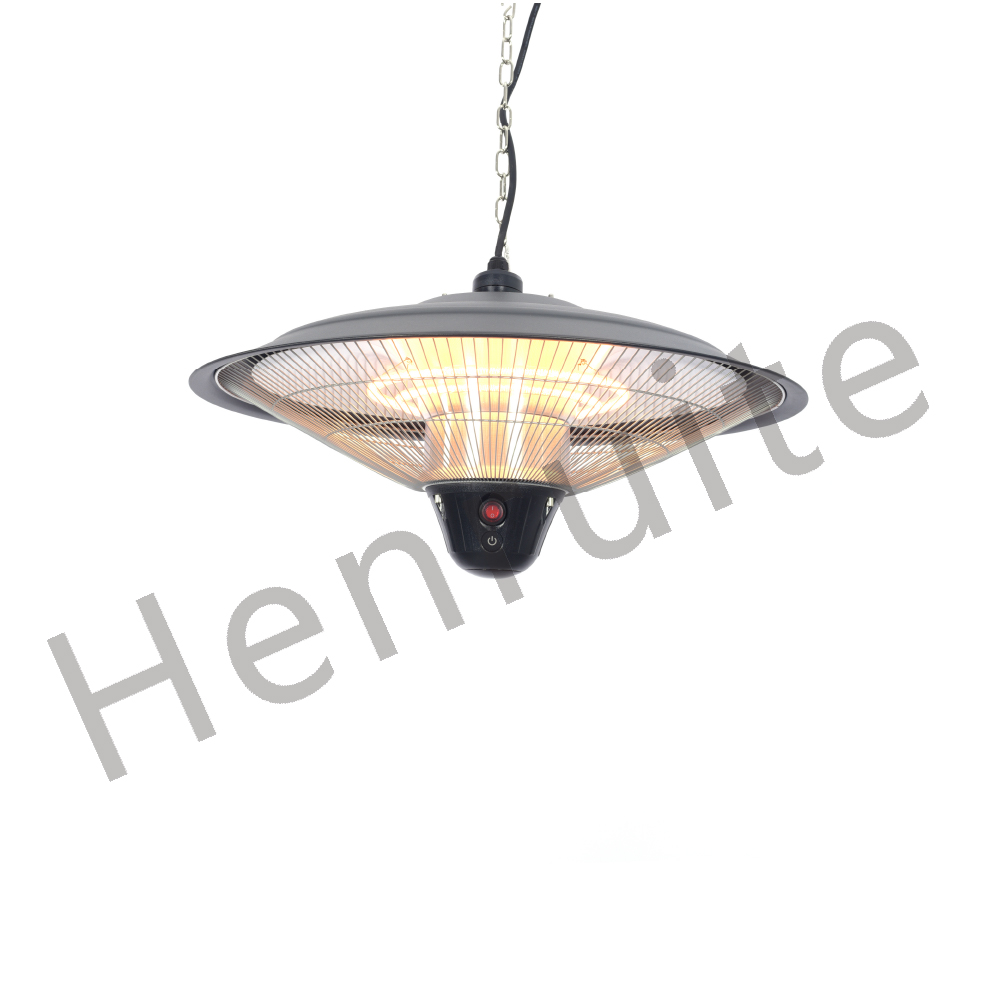
We use high-purity quartz glass for a reason. If we used cheap glass, it would filter out the good stuff before it ever hit your tiles. The filament is tuned to hit the “near-infrared” range. This is the sweet spot. It’s what creates that “drying effect” rather than just making the room feel stuffy. You get a concentrated beam of heat that hits the dampest spots in the room and dries them out.
A few things to keep in mind
Here’s the catch: these lamps gethot. Really hot. If you try to cram them into a tight, unventilated ceiling soffit, you’ll probably fry the electronics. They need room to breathe. Plus, they need a clear line of sight. If something is blocking the path between the lamp and your walls or floor, you lose that dehumidifying magic. The heat has to actually hit the surface to dry it. And one last tip: don’t undersize your gear. A tiny lamp in a massive bathroom won’t do a thing. You’ve got to pick a wattage that matches the size of your “wet zone” to make sure the walls stay dry and the mold stays away.