Stop Letting Batch Annealing Slow You Down
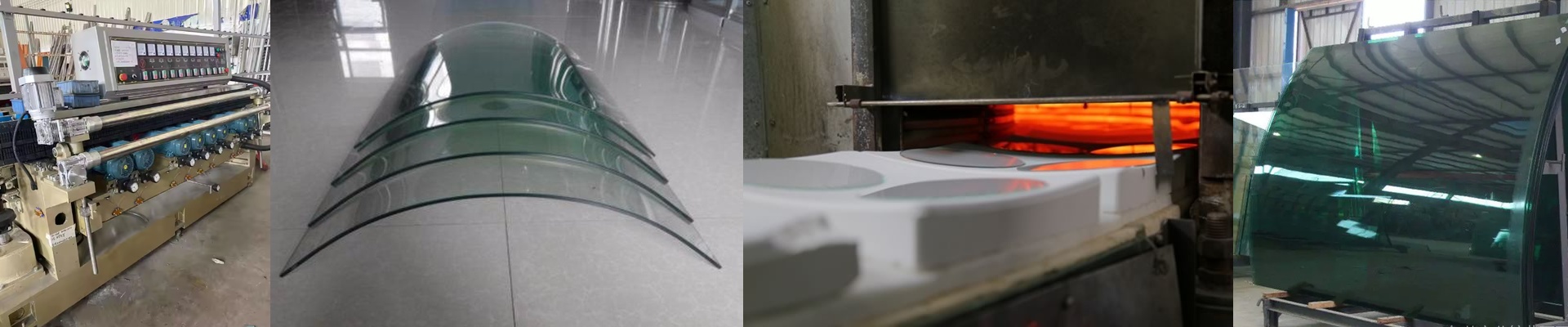
Let’s be honest: nobody likes a bottleneck. In glass production, waiting on batch annealing is a nightmare. It kills your momentum. That’s why we moved the whole process directly into the production flow using fast-response shortwave quartz lamps. No more massive lehr ovens taking up half your floor space. Just a smooth, moving line.
Why Shortwave IR Actually Works
If you’ve used standard heating elements, you know the frustration. They take forever to hit the right temperature. It’s sluggish. Our quartz lamps are different. They hit peak heat in milliseconds. This is a huge deal because it means you can adjust the heat on the fly. If your conveyor speeds up, the lamps ramp up instantly. You get exactly the thermal profile you need across the glass without that annoying lag you get with resistive heating. It just works.
The Nitty-Gritty on the Gear
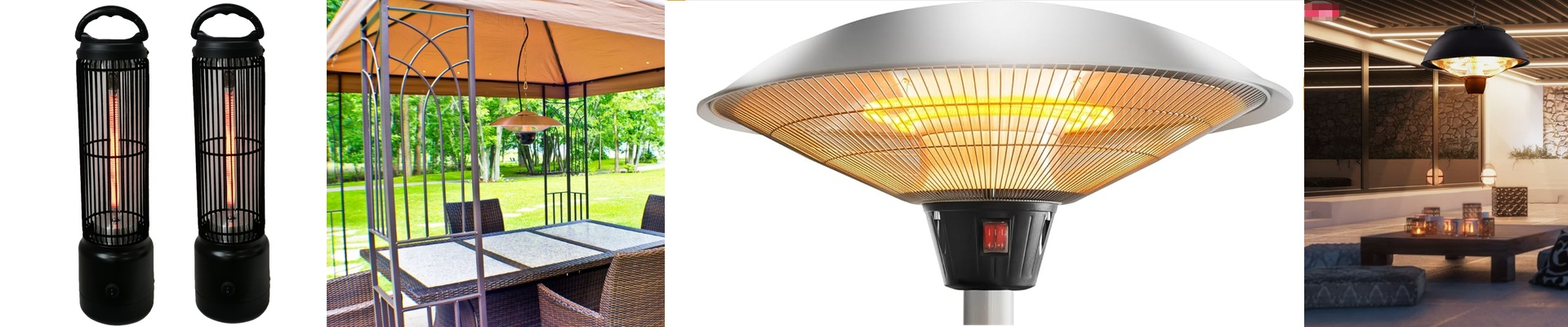
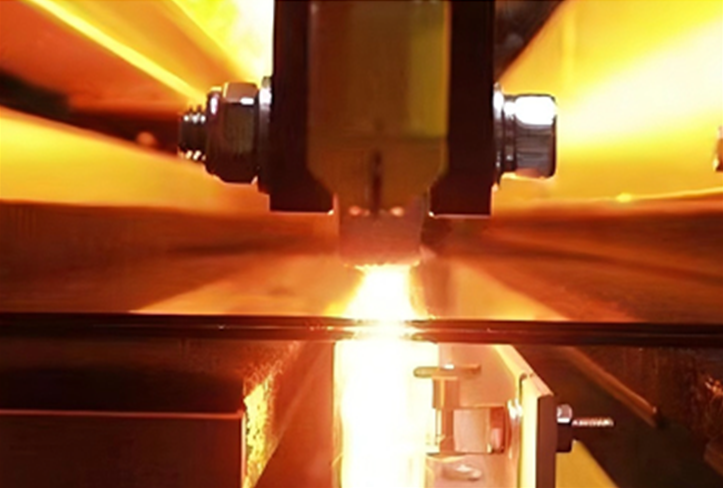
We use high-purity fused quartz to hold the tungsten filament. Why? Because it can take a beating. These lamps cycle on and off rapidly, and the quartz handles that thermal shock without cracking. By packing a lot of power into a small space, we can hit the glass annealing point fast. **One heads-up, though.**Keep an eye on your power draw. High-wattage quartz tubes pull a lot of juice. If you’re installing high-density arrays, double-check your electrical panels. Also, make sure your cooling fans are up to the task. If the heat builds up too much around the housings, you’re looking at a premature burnout, and nobody wants to deal with that.
Keeping the Flow
When you move these lamps inline, annealing stops feeling like a separate, tedious chore. We usually set them up in zones. Zone one hits the glass hard and fast to kill the internal stress. Then, zone two takes over to handle the controlled cooldown. It shrinks your factory footprint and turns a slow, clunky batch process into a steady stream. It’s simpler, faster, and a lot less stressful for everyone on the floor.