Non-Contact Glass Drying: The Simple Idea Behind It
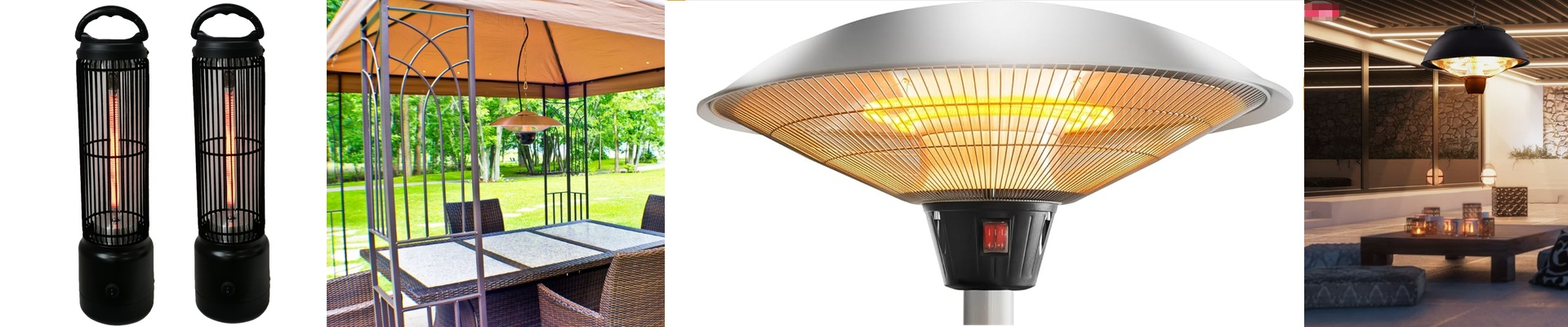
We built our non-contact infrared drying lamps for one reason: dry glass fast, without messing up the coating. The goal is pretty straightforward—strip off surface moisture without dumping extra heat all over the line. How? We aim shortwave infrared straight at the water molecules themselves. The glass dries quickly, and because there’s no blasting air, you don’t have to worry about dust and contaminants getting stirred up.
The Power Choice, Explained Like You’re at the Machine
At the heart of the system is a high-density halogen infrared lamp, usually set at 2500W. We run it at 400V because that keeps the current lower than a 230V design would. And lower current is a big win. It means smaller cables, smaller contactors, and less voltage drop—especially when the run is long. The tube length is matched to the width of the glass, so the heating footprint stays even from one edge to the other. Plus, the whole unit has a compact footprint, so you can slip it into an existing line without tearing out and redesigning the oven section. One thing to keep in mind: heat density. A 2500W tube packs a lot of energy into a small zone. So your machine’s cooling and shielding have to be spec’d properly. If they’re not, nearby components can run hotter than you’d expect.
What It’s Made Of—And Why It Stays Tough
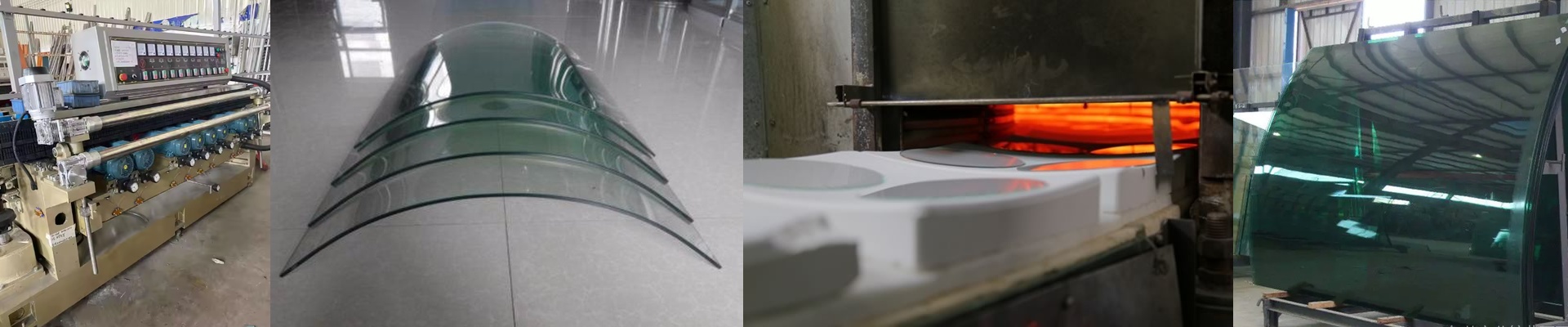
We use a quartz envelope with a halogen cycle. That keeps the filament stable even at high temperatures, so the output stays consistent over the life of the lamp. The tube also has an optimized reflective coating. It pushes infrared energy forward and wastes less heat out the back. That boosts efficiency and takes pressure off the reflector housing. For installation, we use R7s or SK15 connectors. They lock in securely and handle vibration on the line. And when it’s time to swap the lamp, you can do it fast—so maintenance doesn’t drag on.
What It Does for You on the Line
On glass coating lines, the lamp goes after moisture only, so the coating’s color and film integrity stay intact. Because it’s non-contact and there’s no airflow, you avoid uneven drying and surface defects. Energy use drops, too. The lamp heats the target area—not the whole chamber. You get a drying process you can repeat, that protects coating quality, and that keeps power consumption lower.