Stop Fighting the Draft: A Better Way to Heat Open Spaces
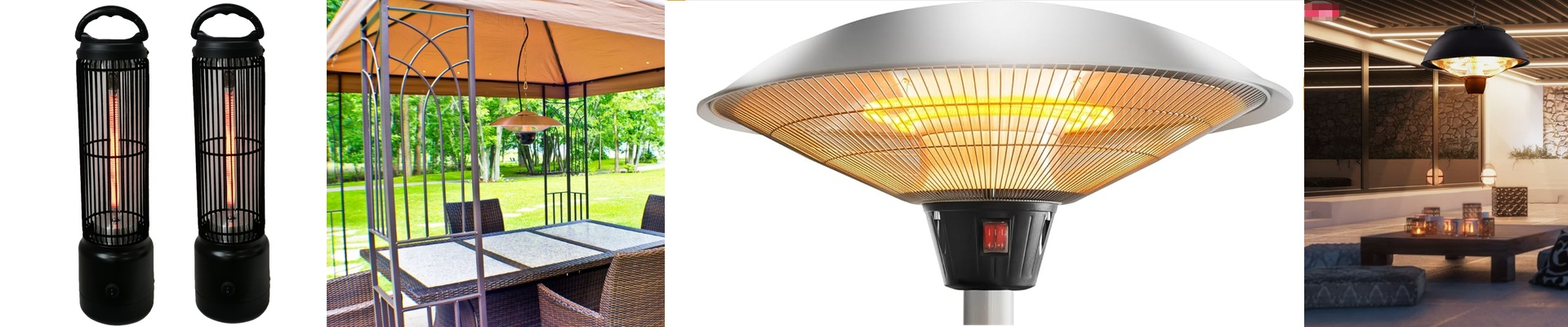
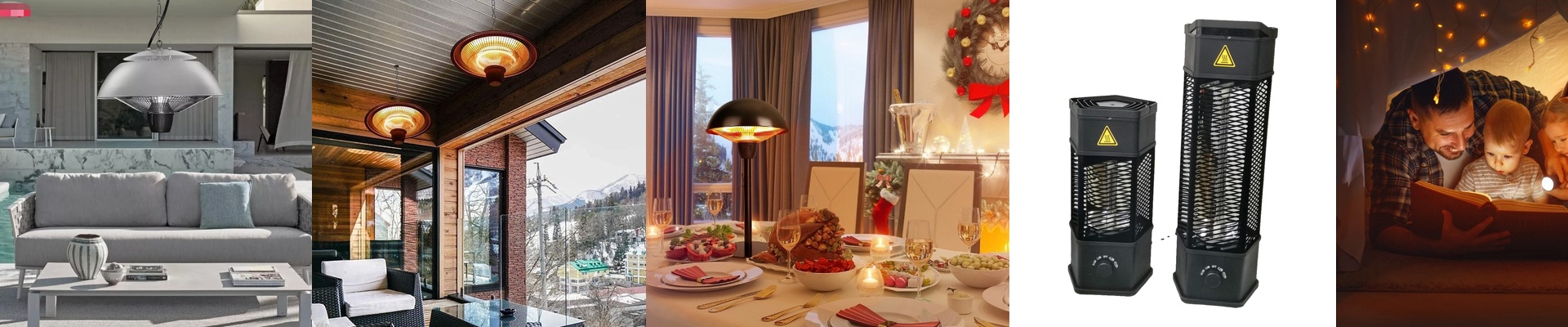
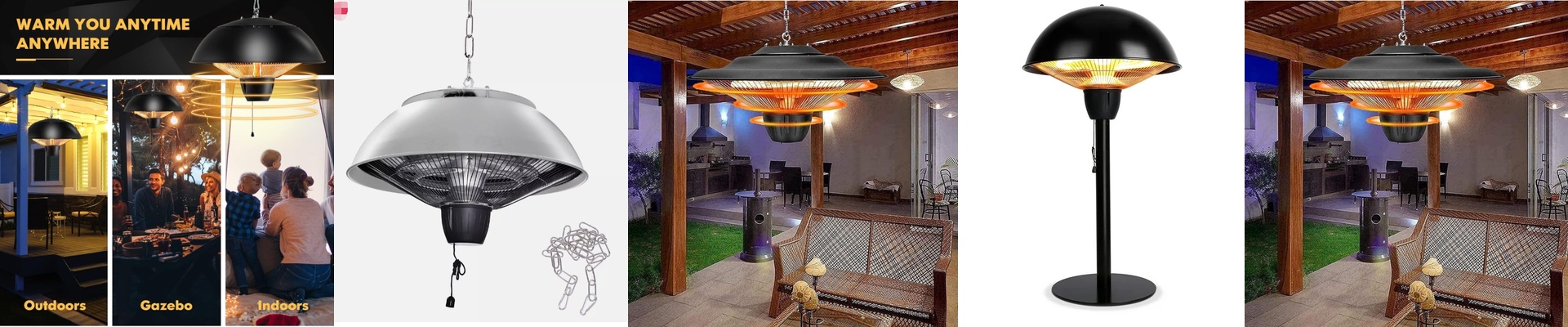
Ever tried to heat a drafty locker room or one of those cavernous changing areas? It’s a losing battle. Most systems just pump hot air into the room, but since heat rises, all that expensive energy just floats up to the ceiling while you’re still shivering on the floor. We do things differently. Instead of trying to warm the air, we use ceiling-mounted infrared heaters. They basically ignore the air entirely and go straight for the people. Why it actually works Think of it like stepping into sunlight on a cold winter day. You feel that warmth on your skin instantly, even if the air around you is freezing. That’s because infrared doesn’t need to move air around to work. You flip the switch, the element hits temperature in seconds, and the heat travels at the speed of light. It hits you, and you’re warm. Period. No waiting for the room to “warm up.” Picking the right gear If you want that high-end, luxury feel, you can’t just throw any heater on the ceiling. You need the right heat density so people feel cozy without feeling like they’re being scorched. Depending on how high your ceilings are, we usually go with short-wave or medium-wave emitters. If the room is breezy or has a lot of airflow, short-wave is the way to go—it cuts through the draft much better. But here is the tricky part: the math has to be right. You’ve got to look at the square footage and how cold those walls are. If you go too low on the wattage, people will have to stand directly under the lamp to feel anything. Too high? You get uncomfortable glare and a massive electric bill. The “Catch” (and how to fix it) Installation is pretty straightforward—we mount them flush or at an angle to cover as much ground as possible. Just a heads-up: these need dedicated circuits because they pull a lot of power the moment they kick on. There is one thing to keep in mind, though. Radiant heat only warms what it can “see.” If you’ve got a tall locker or a partition wall in the way, it blocks the heat. That spot stays cold. That’s why we spend so much time mapping out the layout. If you just wing it, you’ll end up with three scorching hot spots and ten freezing corners.Placement is everything.