Getting Your Patio Heater Height Right
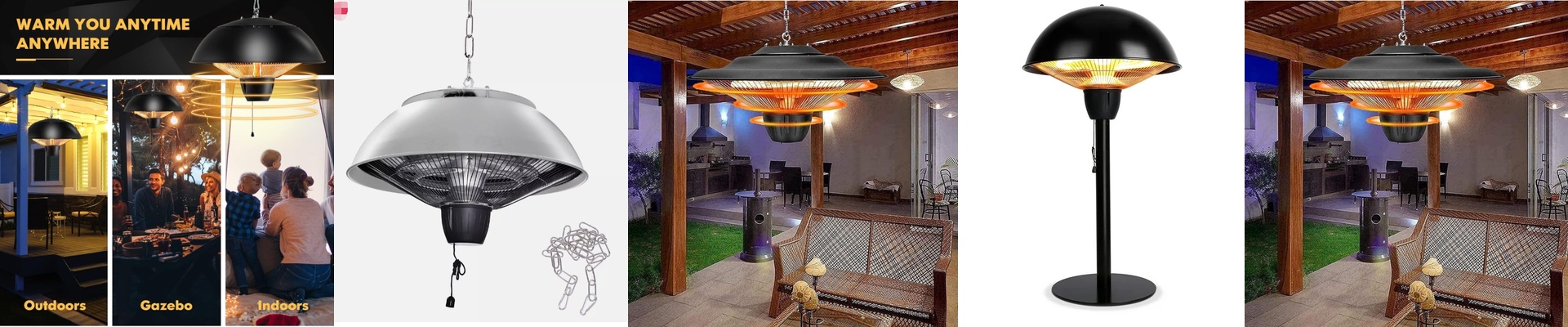
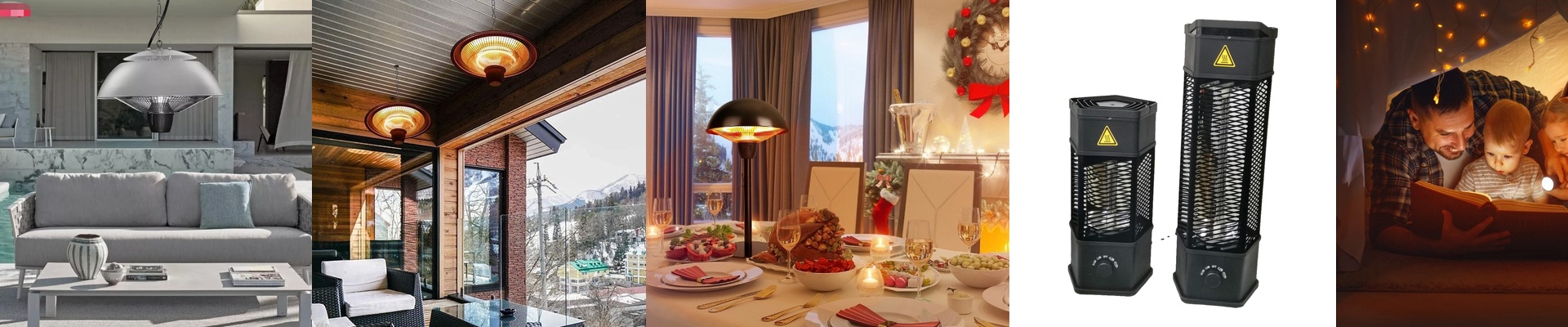
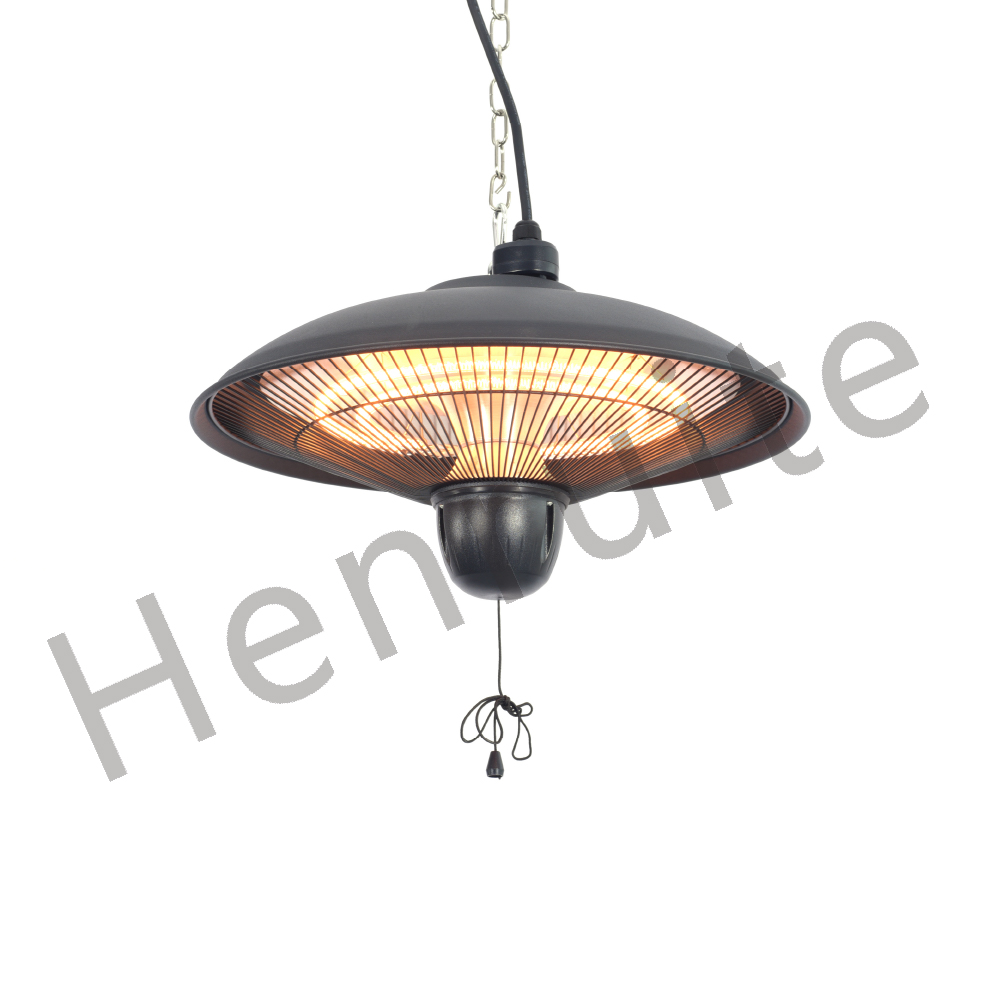
If you’re putting infrared heaters in your outdoor dining area, you’re not just fighting the cold—you’re trying to keep people from getting up and leaving. When we set these up, the magic happens in the gap between the ceiling, the heater, and the guest. Get that distance wrong, and you’ve got a problem. The safety stuff first. You can’t just slap these units flush against a wooden ceiling. You’ll need about 18 to 36 inches of breathing room, depending on how powerful the unit is. Why? Because if they’re too close, the heat just soaks into your building. You’re paying for electricity to warm up your roof beams, which is a waste of money and a great way to warp your ceiling materials. But don’t go too high, either. Infrared heat moves in a tight beam. If the heater is way up in the rafters, the heat disappears before it ever reaches your guests. On the flip side, if it’s too low, you create those annoying “hot spots.” Nobody wants to feel like they’re being microwaved while they’re eating a steak. That’s a quick way to kill your table turnover. Keeping the seats full. Winter revenue basically comes down to one thing: do your customers feel warm? We usually aim for 7 to 10 feet above the floor. That creates a nice, consistent blanket of warmth. It lets you actually use your patio from November through March instead of letting it sit empty. When people are cozy, they linger. They order dessert. They grab another round of drinks. That’s how you actually grow your average check. The balancing act. Here’s the trade-off: bigger, high-wattage heaters can be mounted higher up, but they pull a lot more power. check your breaker panels before you start wiring. If your electrical setup is a bit weak, you’ll have to mount the heaters lower to keep the area warm. Just be careful. If you mount them too low, your guests will feel “baked” on the top of their heads while their toes are still freezing. You want the heat to hit them right in the torso. That’s the sweet spot.