Making Your Smart Home Actually Feel Warm
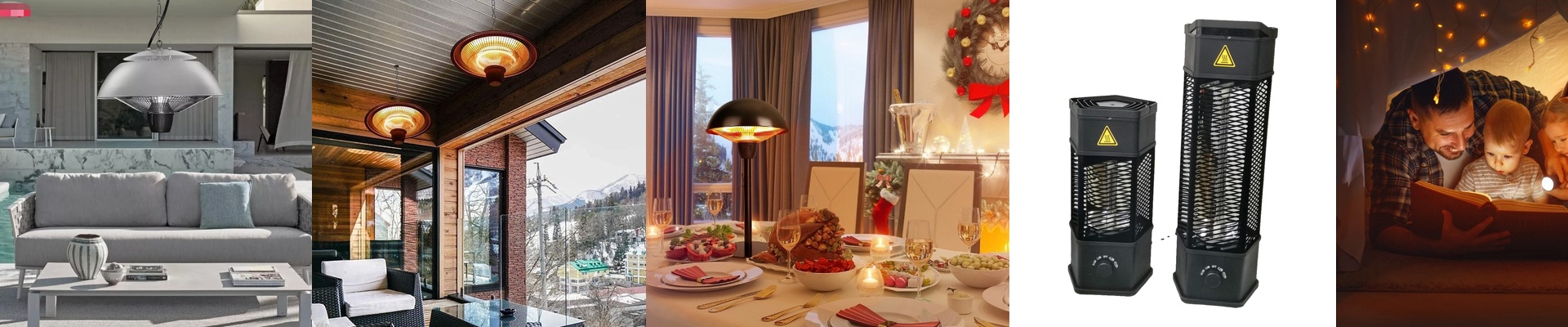
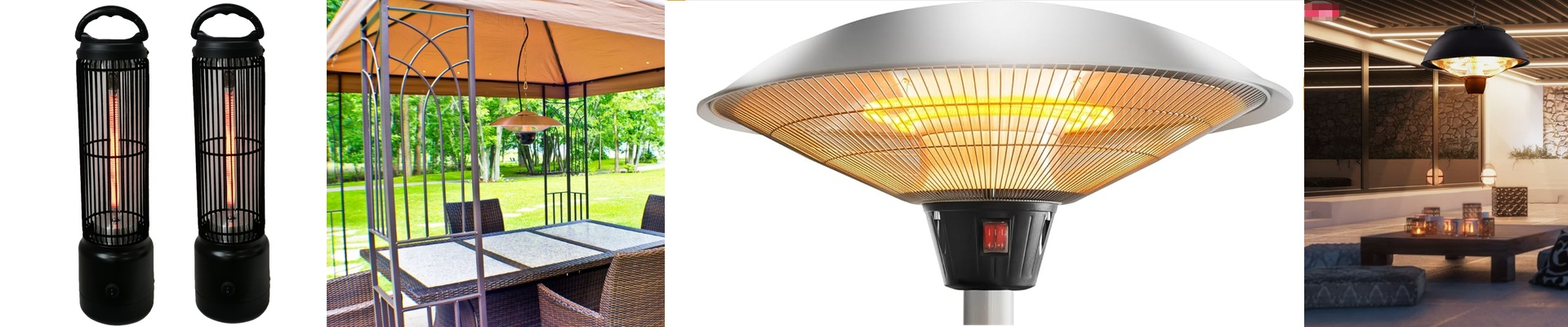
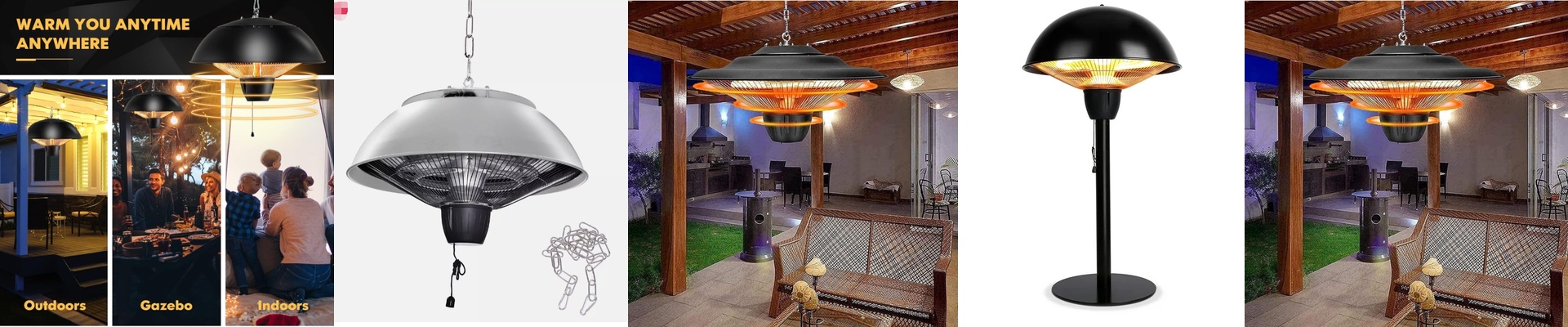
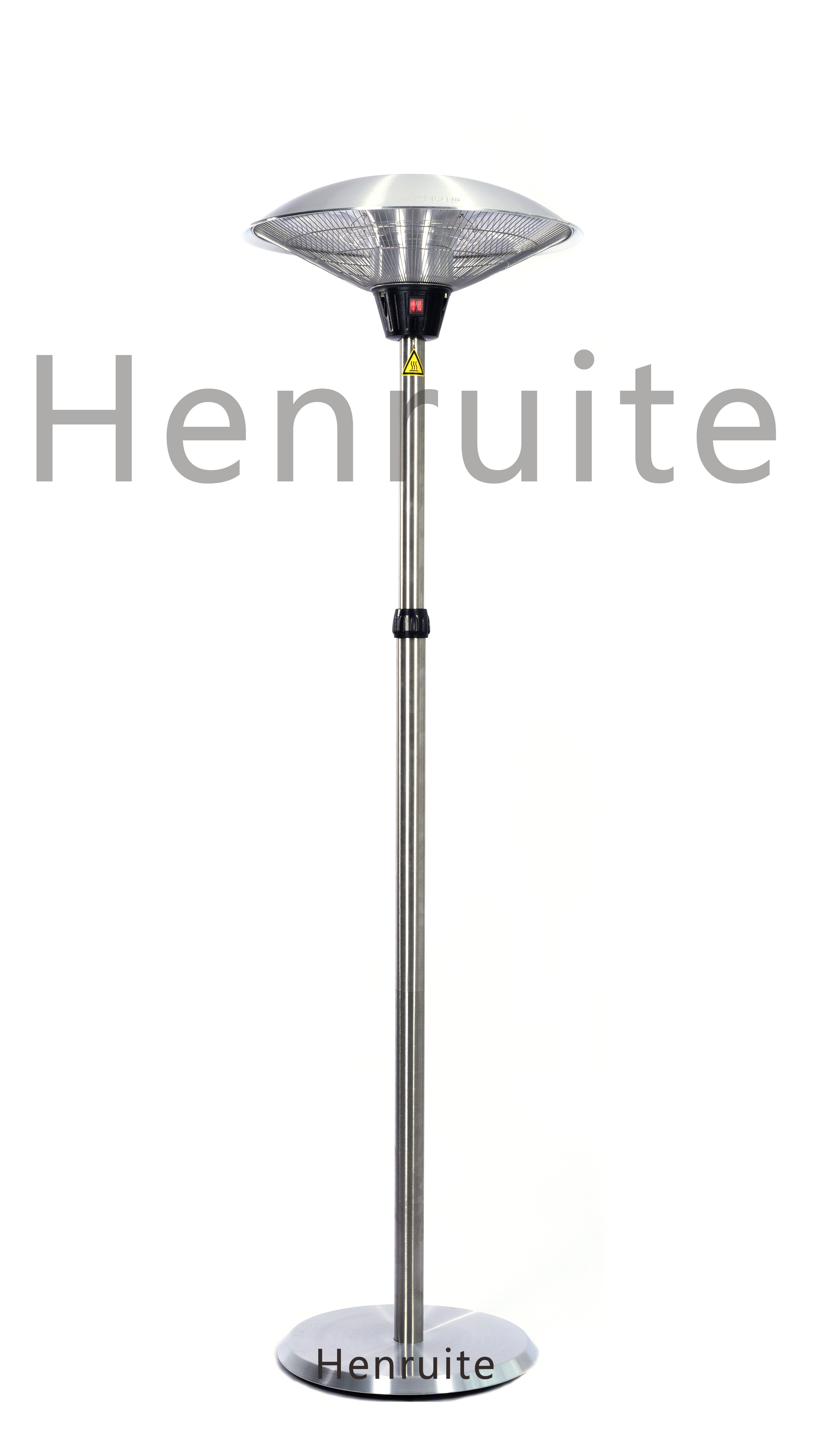
Let’s be honest: most smart home gadgets are just fancy toys. But when it comes to heating, the “smart” part isn’t the app on your phone—it’s what’s happening inside the machine. If you’ve ever waited twenty minutes for an old oil heater to finally kick in while you’re shivering in your pajamas, you know the struggle. That’s why we use short-wave infrared. Instead of trying to heat up all the air in the room, these units beam heat straight at you. It’s that instant, cozy feeling of stepping into the sun on a crisp spring morning. The “Splash-Proof” Part We build these to an IPX4 standard. In plain English? They can handle a splash. Whether you’re putting one in a steamy bathroom or on a covered patio where a bit of rain might drift in, you don’t have to panic. The chassis and electrical bits are sealed up tight, so a few stray drops won’t fry your circuit. Inside, there’s a quartz halogen tube. These things are incredibly fast. While other heaters are still “warming up,” this element hits its target temperature in seconds. How the “Smart” Bit Actually Works To get these working with a one-click remote or a hub, we don’t just plug them in. We use a heavy-duty relay or a TRIAC-based dimmer on the board. Why? Because these heaters pull a lot of power. If you ran that current directly through a tiny logic controller, you’d burn the whole thing out instantly. Instead, the smart hub (using Zigbee or 2.4GHz) just sends a “handshake” signal. That signal flips the relay, the circuit closes, and boom—you’ve got heat. A Couple of Heads-Up Here is the thing: these heaters are powerful, and that means they’re thirsty for electricity. If you try to wire five of these onto one single smart circuit, you’re probably going to trip your breaker. It’s a good idea to check your total load or split the heaters across different phases of your electrical panel. Also, because they get hot fast, give them some breathing room. Keep them away from curtains or wooden panels. You want a warm room, not a scorched wall.