Getting the Heat Right in Laser Glass Cutting
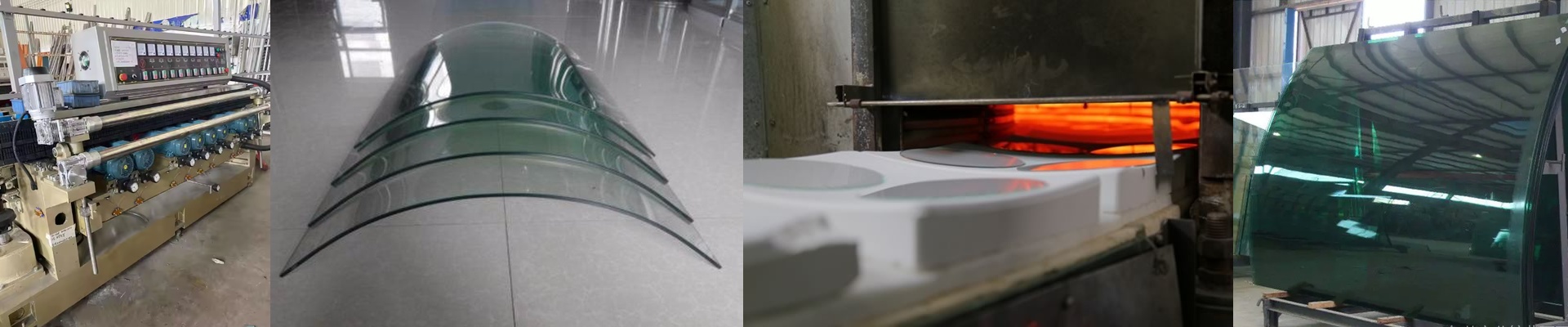
If you’ve ever tried to laser cut glass, you know the frustration. One wrong move with the temperature and—snap—there goes your piece. You need to manage the heat perfectly to stop those cracks from forming and keep that heat-affected zone as small as possible. Now, any basic heater can throw some bulk heat at a piece of glass. But when you’re in the R&D phase, that’s usually not enough. You need control. We build support heaters that let you decide exactly where the energy hits the substrate.
It’s All About the Power Density
When we talk about customization, we aren’t just talking about the size of the heater. We’re talking about the wattage per linear centimeter. By tweaking the filament winding and the voltage, we can play with the thermal gradients. Want the heat concentrated right in the center? We can do that. Want a flat, even profile across the whole length? Easy. This is how you kill those “cold spots” that cause uneven stress and ruin your work. Plus, if you’re messing around with new glass composites, you need this kind of freedom to find that sweet spot—the exact transition temperature—before the laser even fires.
Built for the “Trial and Error” Phase
R&D is messy. You iterate. You fail. You tweak. You try again. That’s why we build these heaters to be flexible. You can swap out your power profiles without having to tear down and rebuild your entire jig. We also use high-grade quartz and specific coatings so the infrared emission actually matches what your glass is designed to absorb. It just works.
The Trade-offs (The Honest Truth)
Here’s the thing: pushing a ton of power into a tiny area isn’t free. If your cooling cycle is off, you’re risking a filament burnout. It happens. You also have to make sure your power supply can handle the voltage ripples that come with these high-density loads. And a word of warning: if you overdrive the tube just to get a faster ramp-up time, your heating element is going to die sooner. It’s a trade-off. We usually suggest leaving some conservative overhead on your thermal controllers. It’s a small price to pay to make sure your gear doesn’t quit on you in the middle of a long run.