Stop Wasting Heat: The Truth About Gold-Coated Lamps
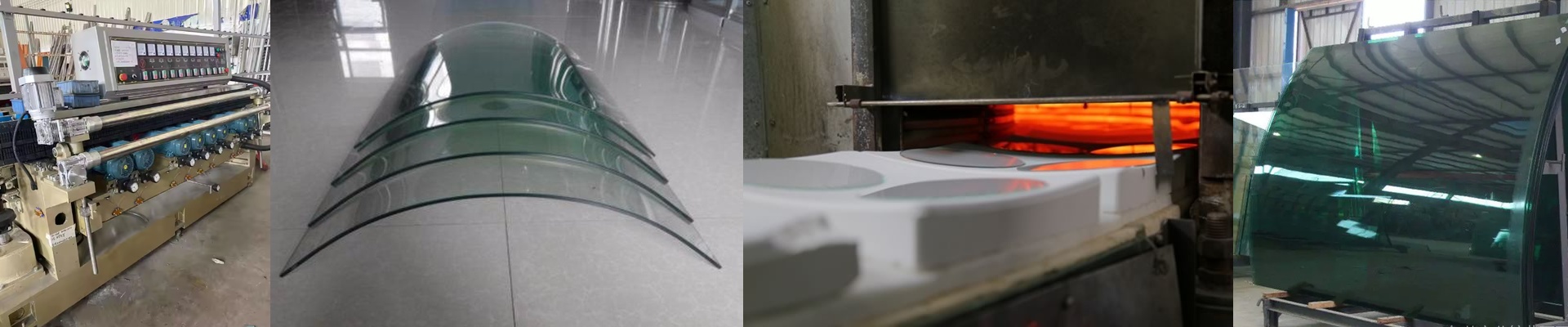
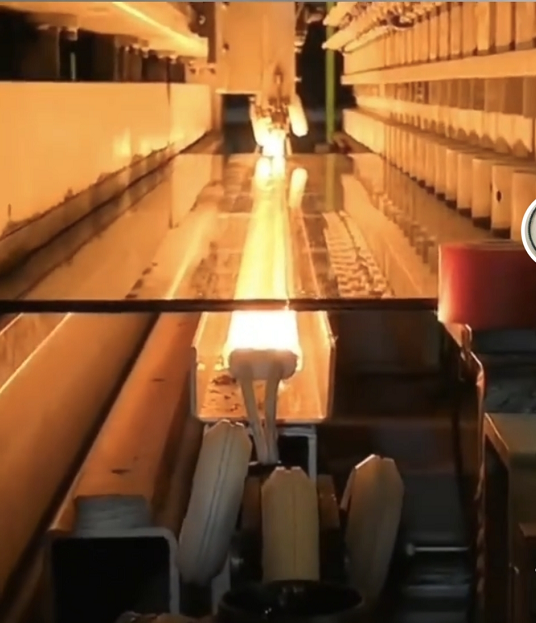
Let’s be honest—glass annealing is an energy nightmare. Most standard quartz lamps are just inefficient. They bleed heat everywhere, wasting a ton of energy on the air around the machine instead of actually hitting the glass. We found a way to fix that. We put a gold coating on the quartz envelope. How it actually works Think of it as a filter. Standard lamps throw out a messy spectrum of heat. The gold coating steps in and says, “No” to the long-wave radiation, bouncing it right back into the filament. But it lets the short-wave infrared slide right through. What does that mean for you? It means the heat goes exactly where it belongs: onto the glass surface. You aren’t just heating up your shop; you’re heating your product. The “Gotchas” (What to watch out for) These lamps are built for heavy lifting, and because they’re more efficient, you can usually drop your total wattage and still hit your soak temperature. But you can’t just plug them in and forget it. You’ve got to keep an eye on your power supply. If you push the filament too hard, you’ll burn them out way too fast. And here is the most important part:Keep your hands off the glass. Seriously. A single fingerprint or a smudge of oil can create a hot spot. When that happens, the quartz can actually rupture. Grab some lint-free gloves and use them every single time you touch the tubes. No exceptions. Getting them on your floor If you’re already running an annealing lehr, swapping these in is pretty painless. They’re basically drop-in replacements. We use standard connectors, so you won’t have to rip apart your electrical cabinet or spend a weekend rewiring everything. The best part? Your power bill will actually look better. Because the energy transfer is so much more direct, your ramp-up times get shorter. It just feels faster. Just one tip: check your cooling fans. Since the heat is so concentrated, you want to make sure the lamp ends stay cool so the seals don’t fail.