
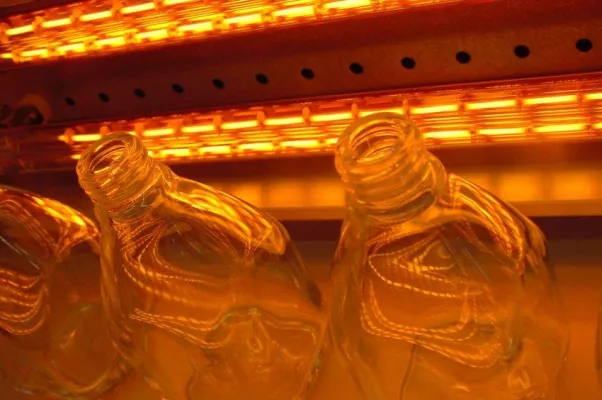
Stop Wasting Power on Your Oven Walls
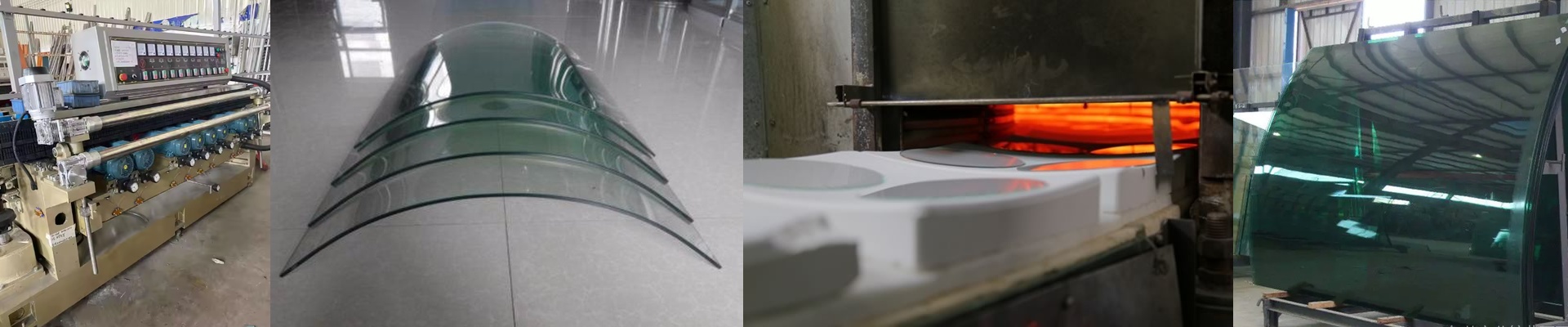
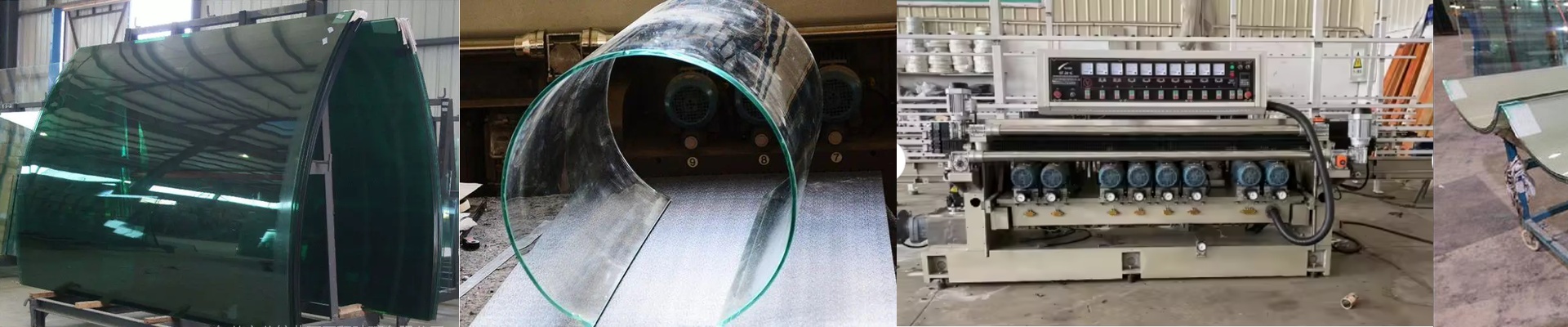
Let’s be honest: glass annealing is usually the biggest energy hog in the entire production line. Most traditional heaters spend way too much time warming up the oven walls and the air around them, rather than actually heating the glass. It’s a waste of money. That’s why we use clear quartz infrared tubes. It’s a simpler way to get the heat exactly where it needs to go.
Why clear quartz actually works
The magic here is in how the light moves. Clear quartz lets short-wave infrared radiation slide right through the tube without getting stuck. Unlike those coated tubes that just bounce heat back toward the filament, clear quartz lets a broad spectrum of energy hit the glass. It penetrates deeper. You’ll notice the glass ramps up in temperature much faster, and the heat spreads more evenly across the surface. No more guessing if the center is as warm as the edges.
Finding the sweet spot with power
When we’re picking out tubes, we look at the wattage-to-length ratio. This is basically your heat density. If you go with high-wattage tubes, you can save a lot of floor space. But there’s a catch—it puts more stress on the quartz. We build these to handle the wear and tear of rapid cycling, but you’ve got to keep your power supply steady. If you get voltage spikes, you’re just going to fry your filaments.
Getting them installed (and a few warnings)
The good news? These are mostly drop-in replacements for those old, clunky resistive heaters. You can usually keep your existing controllers. Just keep in mind that IR reacts way faster than old heaters, so you’ll probably need to tweak your PID settings to keep things smooth. But here is the part where you need to be careful. **Clear quartz hates fingerprints.**If you touch the tube with oily fingers during installation, those spots will overheat and the quartz will crack. It’s frustrating, but just wear lint-free gloves. Also, because the heat is so concentrated, you might run into “hot spots” if your conveyor is moving too slowly. If that happens, just bump up your belt speed until the thermal soak matches the thickness of your glass.