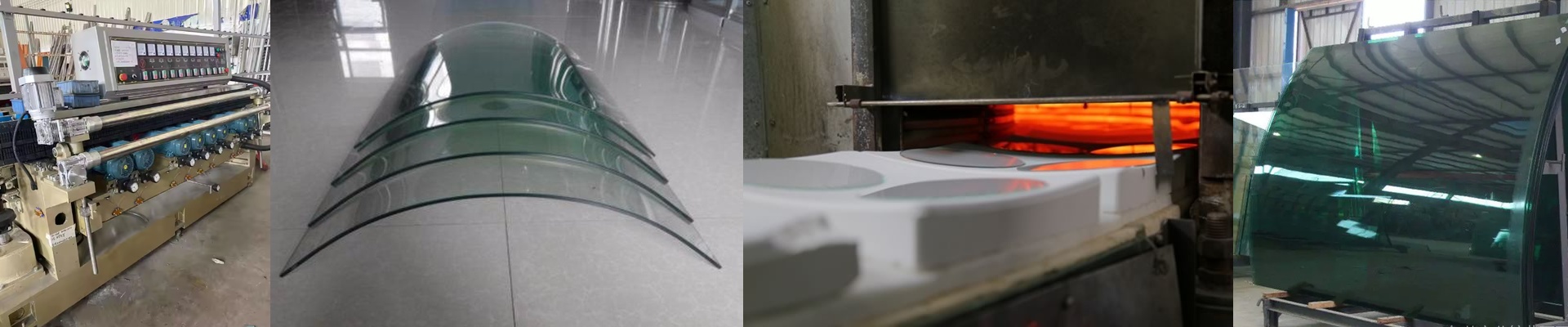
When a heater fault trips on the line, it shuts down heating in the tempering furnace or the EVA lamination press, and the work-in-progress piles up fast. Uneven heat shows up where you don’t want it—roller wave, optical distortion, and scrap from thermal stress fractures. We built these glass heaters around a simple aim: hold the thermal field steady, keep the line moving, and trim energy use without giving up performance. What matters under the hood These modules use short-wave quartz emitters tuned to how glass absorbs heat, so they respond quickly and hold tight control. Pick 230 V or 400 V, 3 kW to 12 kW, and size the length to the active zone so you get uniform heat across the full glass width. The quartz envelope hits temperature fast and has low thermal inertia, so setpoints track cleanly during ramps. A high-purity reflector array keeps the flux on the glass, not on the frame, and the termination is specced for high-cycle duty. For lamination, the heater comes up to operating temperature in under 60 seconds, which supports short dwell times and consistent polymer flow. In tempering and bending, the heater has to deliver repeatable heat so you hit the target surface compression. In EVA/SGP/PVB lamination, it has to hold the polymer window without hot spots that show up as optical defects. The design keeps temperature overshoot down, so you spend less time chasing setpoints and less energy heating air. Plants that swapped out legacy rods for these modules have reported 15–22% lower kWh per batch, and scrap from thermal stress drops. That translates to more good glass per shift, fewer restarts, and fewer heater swaps. Here are a few practical points. These heaters are line-of-sight. Keep the emitter surface clean and aligned—dust and film buildup cut output and drive uneven heating. Check mounting clearances and airflow so you don’t cook the ends and create hot spots. Match the power supply and control strategy to the heater’s curve; PID tuning matters more than people think. Above 1000 m, expect a slight drop in peak temperature due to convection cooling—add a small power margin in the spec to compensate.