Getting Your Wide-Format Low-E Glass Preheating Right
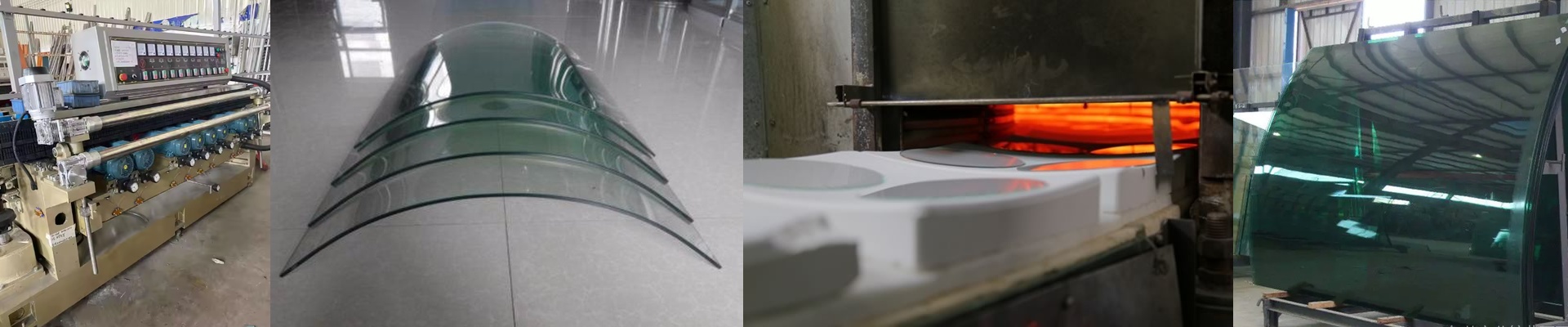
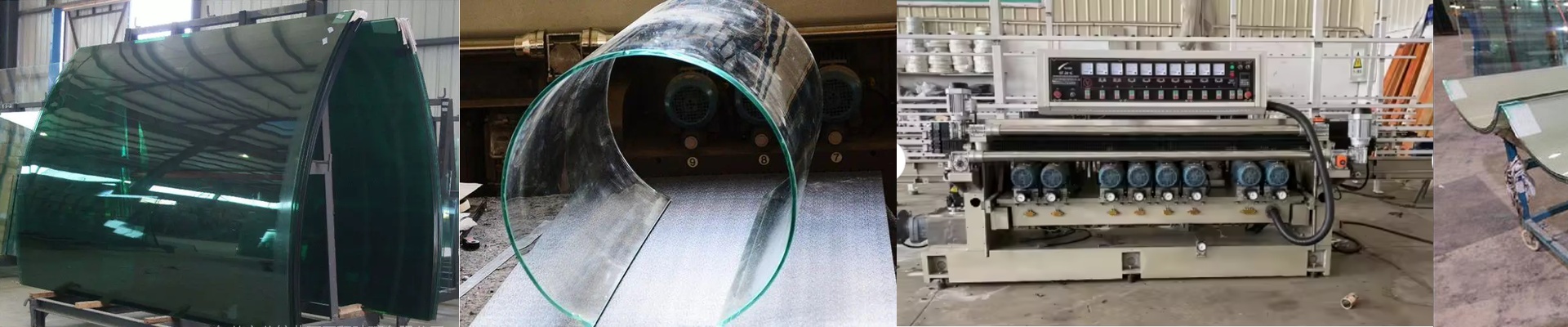
If you’re trying to preheat Low-E glass that’s wider than 3 meters, you’ve probably realized that standard, off-the-shelf lamps just don’t do the job. You end up with cold spots, uneven heating, and a lot of frustration. That’s why we build custom medium-wave infrared (MWIR) units. We focus on making sure the heat is dead-even across the entire piece of glass, no matter how wide it is.
Dealing with that 3-Meter Stretch
Scaling a heating element up to over 3 meters is tricky. You can’t just “stretch” a lamp and hope for the best. If you do, you’ll run into voltage drops and thermal expansion issues that’ll kill your equipment. We spend a lot of time dialing in the wattage and voltage. The goal is simple: the heat density at the very first centimeter should be exactly the same as it is at the very last. We balance the electrical load across the whole tube so the ends don’t burn out prematurely. Just a heads-up—make sure your power supply can actually handle the total amperage. These long-run units pull a lot of power, and the last thing you want is to keep tripping breakers in the middle of a shift.
Why Medium-Wave?
Low-E coatings can be pretty finicky about the type of heat they get. We use medium-wave emitters because they actually soak into the glass rather than just hitting the surface. It’s a deeper, more consistent heat. To keep things efficient, we use heavy-duty reflectors. It basically bounces every bit of energy back onto the glass so you aren’t paying to heat the air in your factory.
The “Gotchas” of Installation
Here is the thing: these long quartz tubes are fragile. When they heat up, they grow. When they cool down, they shrink. If you bolt them down too tightly or forget to leave room for that movement, the tubes will snap during the first heat cycle. It’s a loud, expensive mistake. We design our mounting frames to let the quartz breathe so that doesn’t happen. One more thing to watch out for: pumping high wattage through a 3-meter tube creates a massive amount of ambient heat. If your tunnel’s exhaust system isn’t sized right, that heat just sits there. It pools around the lamp housing and fries your connectors. Make sure your air is moving, or you’ll be replacing parts way sooner than you should.