
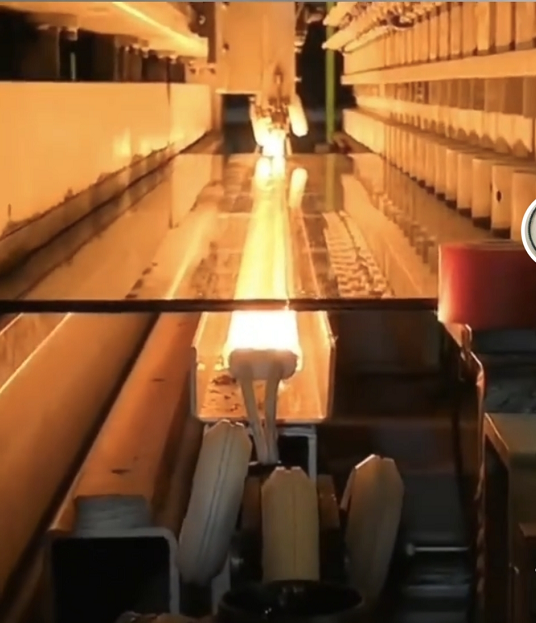
Why your IR lamps are probably the reason your glass is cracking
If you’ve ever dealt with batch-process glass tube cutting, you know the headache of inconsistent annealing. It’s frustrating. You look at your scrap pile and see some tubes that are stressed and cracking, while others are basically over-baked. Most people start by messing with the PID controller, thinking the settings are off. But usually? It’s a hardware issue. Here’s the thing: if your infrared lamps have even a 5% or 10% difference in how much heat they’re putting out, your whole temperature profile shifts.
The problem with “close enough”
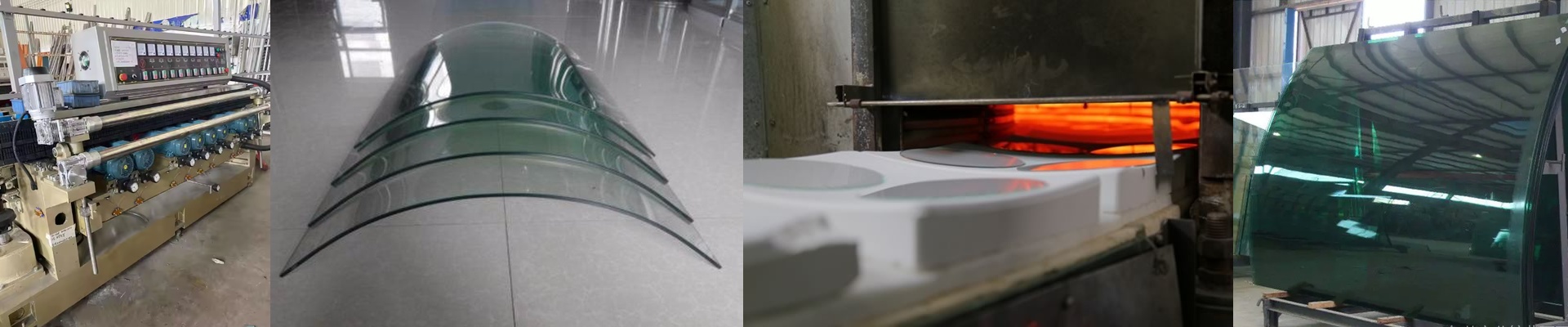
We talk a lot about consistency because infrared heat is picky. It all comes down to how that tungsten filament is wound. If the spacing is off by just a millimeter, you get hot spots. And in glass cutting, a hot spot is a nightmare. It creates a thermal gradient that makes the glass soften unevenly. The result? Your tube sags or snaps during the cooling phase. That’s why we build our lamps to such tight tolerances. We make sure every single tube in your heating bank puts out the exact same wattage per centimeter. When you wire up ten of these, they don’t act like ten separate bulbs—they act like one big, uniform heat source.
Power vs. Pain
Now, high-wattage shortwave lamps are great because they get you to cutting temperature fast. But that power comes with a catch. Pushing all that energy through a small quartz envelope puts a lot of stress on the lamp ends. You have to be careful with your mounting brackets. If they pinch the glass, you’re going to see your lamps burn out way sooner than they should.
Stop the “Swap and Pray” cycle
We’ve all been there. A lamp pops, so you grab a generic replacement that seems “close enough” on the spec sheet. Bad move. Even if the wattage looks right, a different spectral output changes how the glass actually absorbs the heat. Suddenly, your batch stability is gone. When you use matched sets with verified output, you stop playing the guessing game. You don’t have to spend your morning recalibrating timers and temperatures every time a lamp fails. You just get a process that works, stays in spec, and keeps running for thousands of cycles without the drama.