

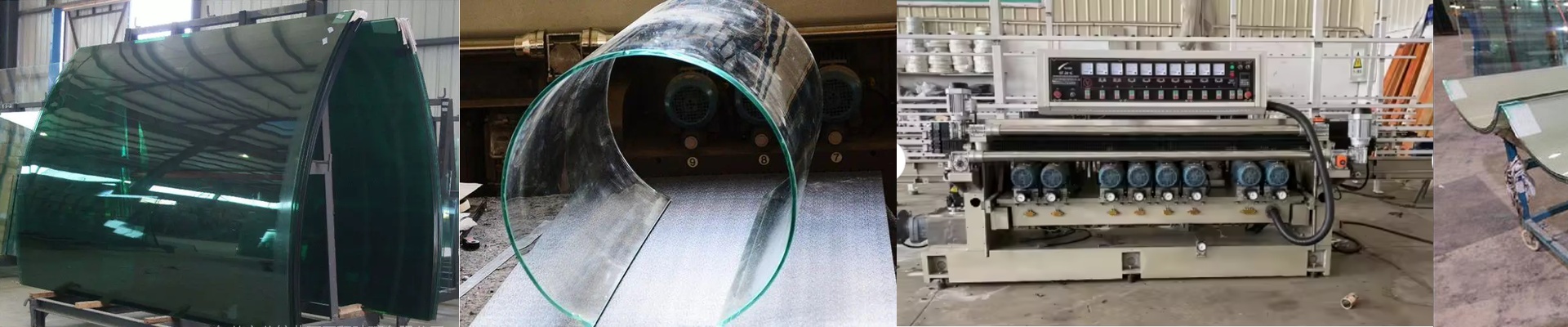
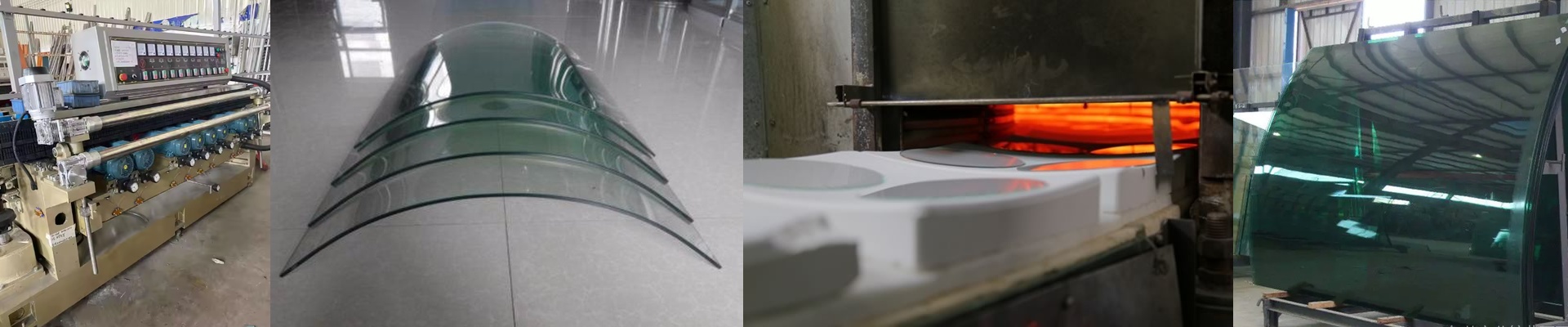
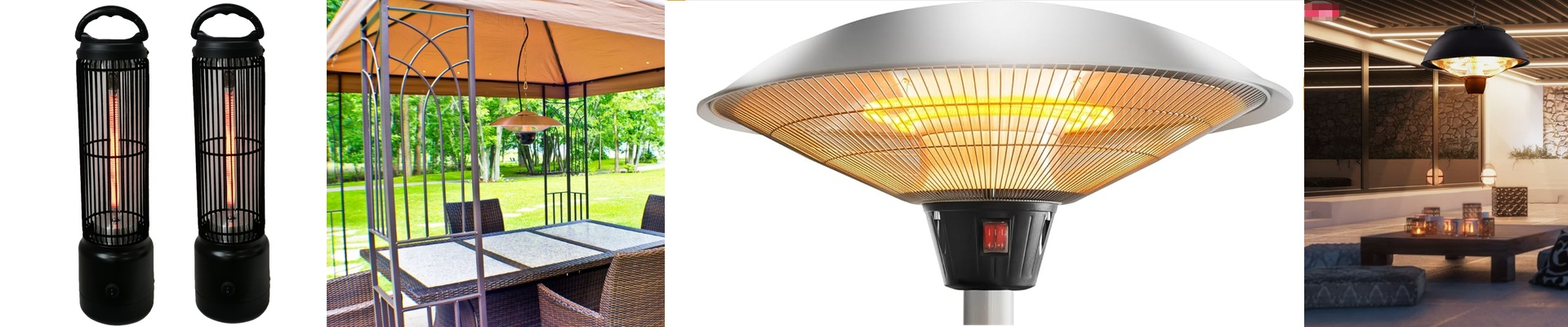
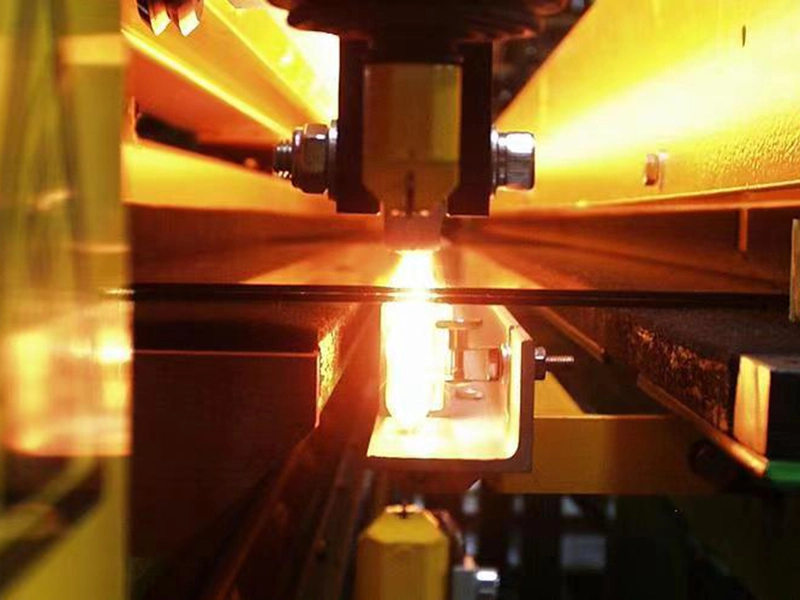
On the glass line, scrap and cullet pile up fast. When melting heat drifts or spikes, you end up chasing temperature, and the furnace pushes back with uneven thermal fields. That shows up as thermal stress, uneven annealing, and more rejects in tempering, bending, and lamination. We built our recycled glass melting heaters to knock down that variability and hold the heat profile steady, shift after shift. The core is a quartz-based radiant heater array with short-wave output tuned for glass. Power density is matched to the melt zone, and the response is quick enough to track setpoints without overshoot. Uniform heating across the hearth cuts hot spots and limits the thermal gradients that drive stress fractures. The payoff is repeatable melt quality, predictable viscosity, and cleaner glass heading into coating drying, insulating glass sealing, and stress relief in automotive glass. In practice, this heater keeps the melt cycle tight. Less soak time means higher throughput and a lower gas or electricity spend per ton. Tighter temperature control also settles annealing and tempering, cutting rework tied to warp, waviness, and edge stress. For plants running mixed batches with recycled content, the unit holds steady through emissivity shifts and load changes without chasing control loops, so furnace pressure and atmosphere stay consistent. Installation is straightforward on standard ports, but make sure the electrical service and cooling are matched. These heaters deliver their best performance when furnace lining, insulation, and seals are in good shape; degraded refractory will bury the gains. Plan for routine inspections of terminals, thermal anchoring, and heat shielding to protect nearby components. You can count on consistent output over thousands of hours, with maintenance that fits planned downtime, not emergency stops.