Getting Your IR Heater Layout Right for Train Windows
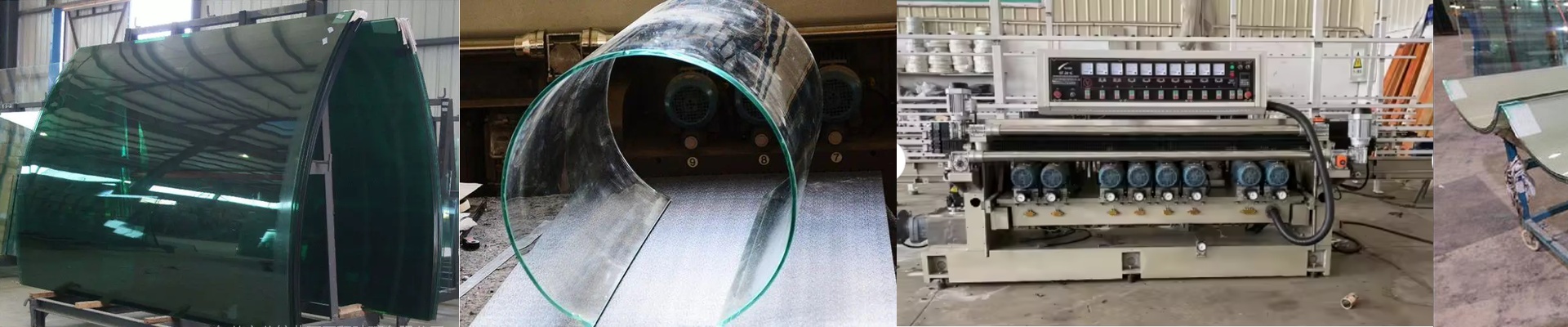
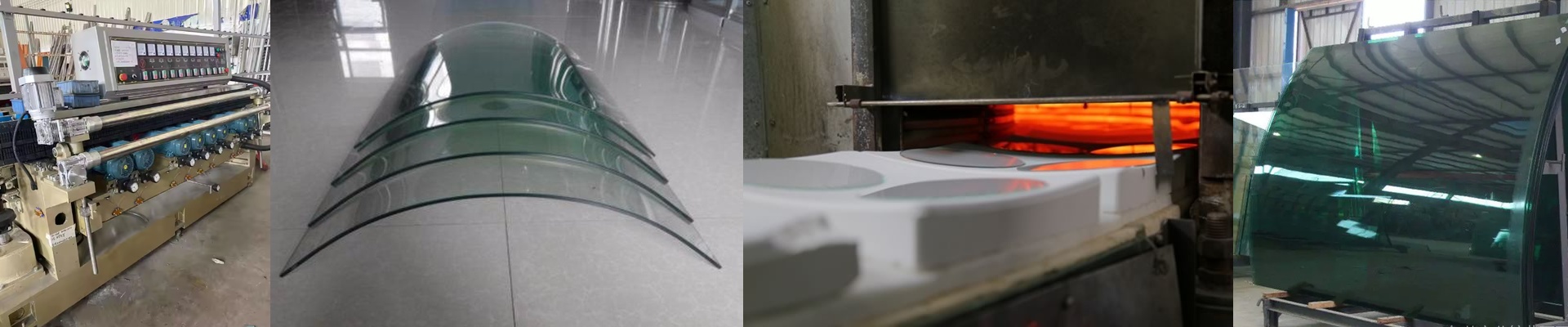
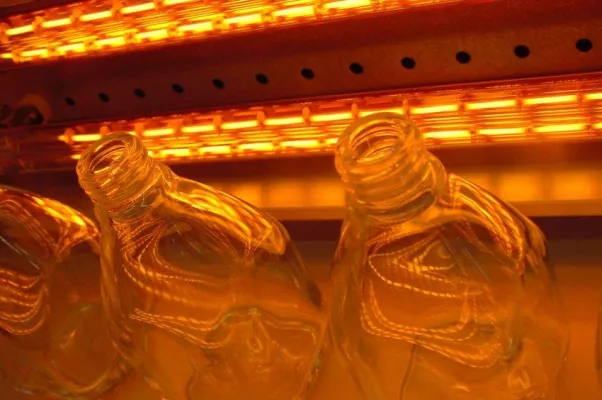
If you’ve ever tried to anneal train window glass, you know the struggle. You need to get rid of those internal stresses, but you’re usually working with a furnace that has zero breathing room. The real headache starts when the windows aren’t standard shapes. You try to use off-the-shelf heating lamps, but they just don’t fit. You end up with “dead zones” where the glass stays cold, or worse, hot spots that can ruin the whole piece. It’s frustrating. Fitting the space, not the other way around We don’t believe in “close enough.” We build our infrared lamps to the exact millimeter of your setup. If your furnace is cramped, we just spec the lamp to fit that specific gap. When the lamps actually fit the geometry of the glass, you can pack more heating elements into a tight space. That means more heat density right where you actually need it. Why shortwave IR actually works For this kind of work, we stick with shortwave infrared. It hits the glass faster and penetrates deeper than the medium or longwave stuff. But the real trick is the shape. We make the lamps follow the actual curve of the window. Instead of fighting with a rigid system and trying to “average out” the temperature, the heat source just mimics the glass. You get a steady, even temperature without having to buy a massive, overpriced furnace. The honest trade-offs Now, here’s the catch. If you go for high-wattage custom lamps to get that intense heat, your wiring and connectors are going to feel it. And if you’re packing a ton of heat into a tiny footprint, your cooling blowers need to be up to the task. If they aren’t, the housings are going to get way too hot. Before we lock in your wattage, let’s take a look at your current draw. It’ll save you a massive headache later. Making it work in your shop Whether you’re building a new line or just swapping out old parts, these are designed to be drop-in replacements. By curving the lamp to match the window, you close the gap between the element and the glass. Less distance means less wasted heat and a much faster annealing cycle. It’s a simple shift, but it means you stop fighting your equipment and actually start controlling the process.