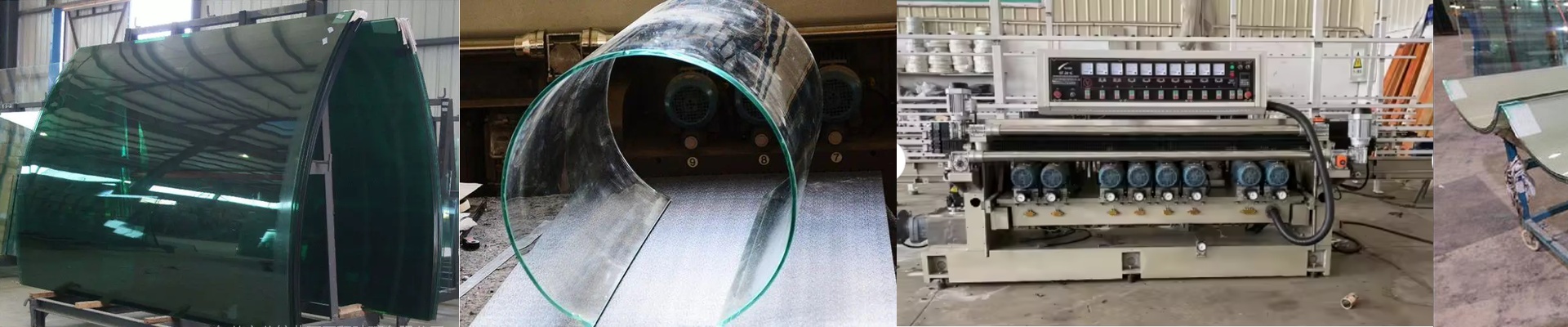
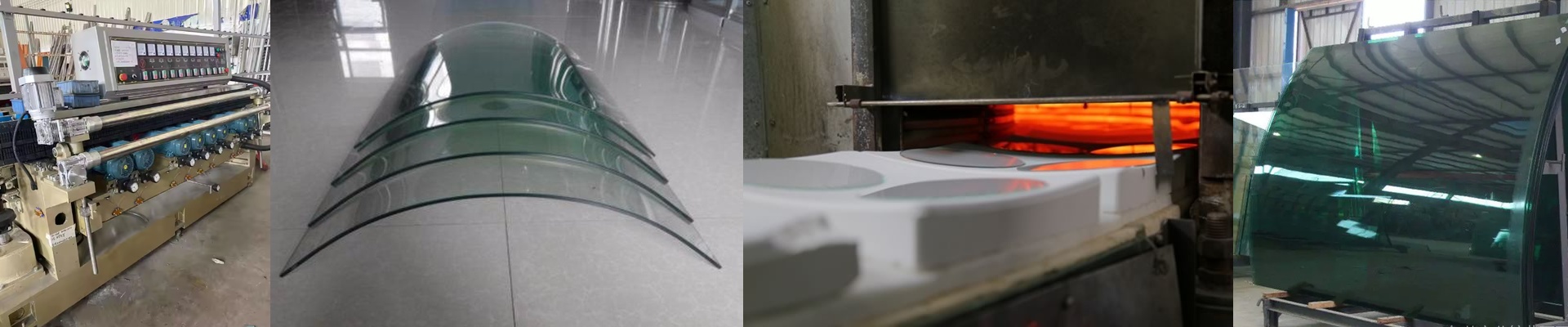
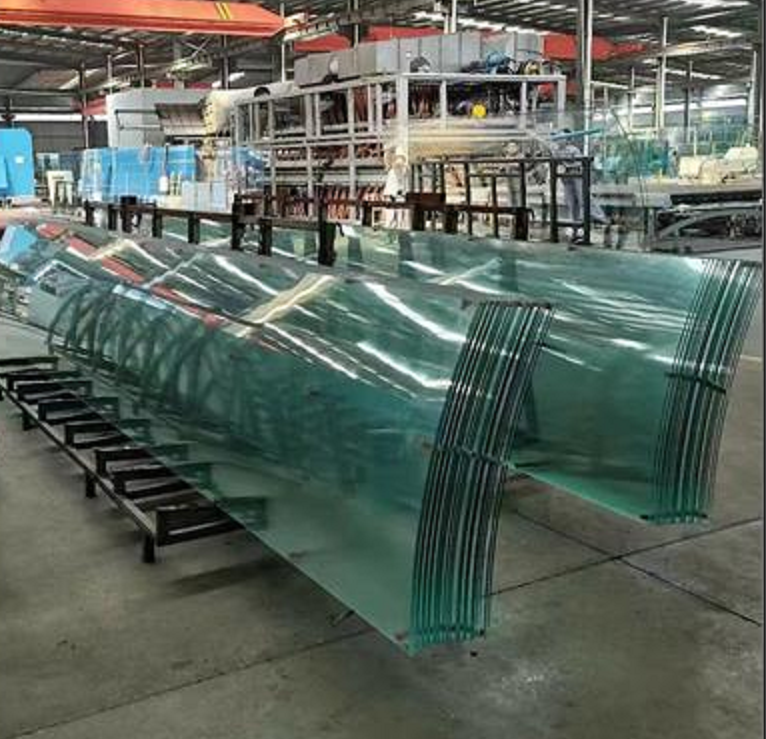
On the automotive glass line, the bending station is where schedule and scrap go head-to-head. If the heater can’t hold stable, repeatable temperature across the glass, you’re staring down optical distortion, thermal stress fractures, and rework that chews up capacity. We built our car window glass bending heater to take that variability off the table.
What matters under the hood
We run short-wave quartz infrared elements because they respond fast and stay controllable. The emitters hit high power density with low thermal inertia, so the heater gets to setpoint quickly and follows changes without overshoot. Reflector geometry and zone layout are set up to create a uniform thermal field—exactly what you need for consistent sag and contour control across windshields and side windows. The system comes in standard voltages and footprints, and it’s designed as a drop-in replacement for common OEM bending oven modules, so you don’t get stuck in long re-qualification cycles.
Where it shows up on the floor
You see the payoff in uptime, yield, and operating cost. Energy draw drops because the heater spends less time idling and recovers fast after loading. Finished glass comes out with fewer stress marks and optical defects, so first-pass yield climbs and rework falls off. Maintenance intervals stretch out, too—quartz elements and solid mounting keep alignment stable, and replacement is straightforward. Fewer stoppages. Fewer spares on the shelf. A production plan you can actually trust.
A few shop-floor notes
Installation is simple, but the heater has to match your control strategy. Check your PLC/PID tuning and confirm emissivity behavior across the glass types you run—some coatings change heat absorption and can shift the zone balance. Plan for clean power and proper cooling: stable voltage and steady airflow keep premature aging from creeping in. Treat it as a direct swap, but still validate the profile with your actual glass shapes.