Getting Glass Beads Right with Fast IR Heating
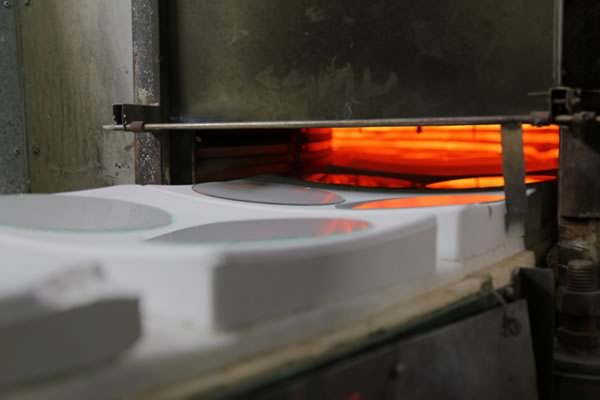
If you’ve ever dealt with glass bead annealing, you know the struggle. You need to get rid of those internal stresses without accidentally melting your beads into blobs. Most people rely on traditional ovens, but let’s be honest—they’re a total bottleneck. That’s why we use shortwave IR lamps. Instead of wasting time heating up a giant room of air, these lamps beam energy straight into the glass. It’s direct. It’s fast. The magic of a quick response Shortwave IR hits the target temperature in seconds. When your beads are flying down a production line, you can’t afford to sit around waiting for a resistive heater to wake up. With IR, the heat is there the moment you need it. This means we can put the annealing stage right on the conveyor belt. No more stopping to do batch processing. Just one smooth, continuous flow. Finding the sweet spot for heat To get the beads soaked in such a tiny window of time, we use lamps with high wattage density. We’re basically packing a ton of power into a small space to create a high-intensity heat zone. But here’s the tricky part: you have to time it perfectly with your belt speed. If the line crawls, you’ll bake the beads. If it zips by too fast, the core stays cold. It’s a balancing act, but once you nail it, the results are great. Keeping things running We don’t believe in making things harder than they need to be. We design these systems so you can swap out a lamp without having to tear the whole heating bank apart. Standard connectors make it a quick fix. We use quartz envelopes because they can take the heat and let the IR light through without losing any punch. One heads-up, though: these high-density arrays put out a lot of waste heat. If your housing doesn’t have good ventilation or some active cooling, your electronics are going to fry. Plus, if the cooling is off, the ends of those quartz tubes take a beating from the thermal stress, and your lamps won’t last nearly as long. Keep them cool, and they’ll keep working.