
Stop Fighting Your Glass: A Better Way to Handle Edge Chipping
Anyone who’s spent time cutting glass knows the frustration of a “corner breakout.” You score the surface, you go to break it, and instead of a clean snap, you get those jagged little chips along the edge. It’s annoying. It’s wasteful. And it usually happens because the glass is just too cold and stressed to behave. Here is how we deal with that:Infrared (IR) preheating right at the nip rollers.
Why heat it up?
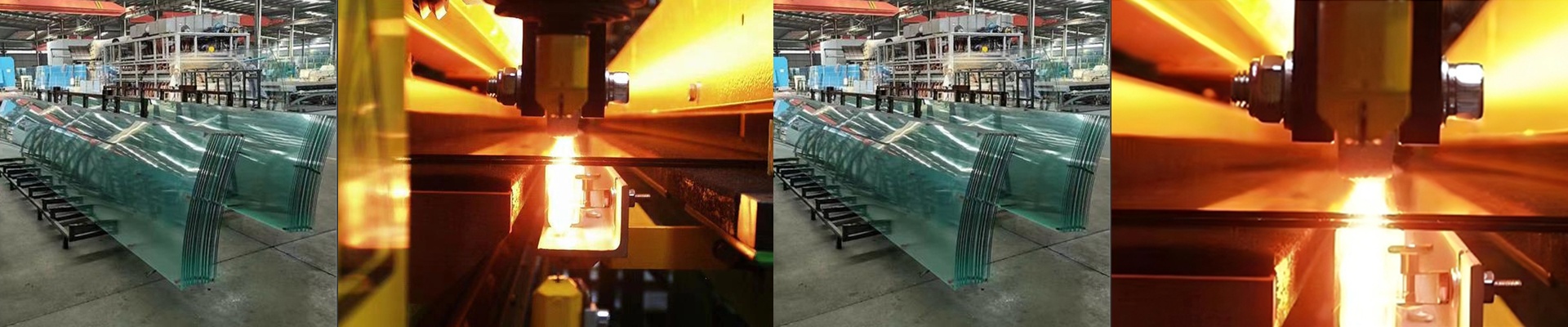
Think of it as relaxing the material. When glass is cold, those score lines are unstable. They want to wander. But when you hit that score line with IR lamps, you’re basically softening the glass matrix. It reduces the surface tension. So, when the nip rollers finally put the pressure on, the crack doesn’t jump around or splinter. It just follows the line. You get a crisp, clean break every time, and your scrap pile suddenly gets a lot smaller.
Setting up the lamps
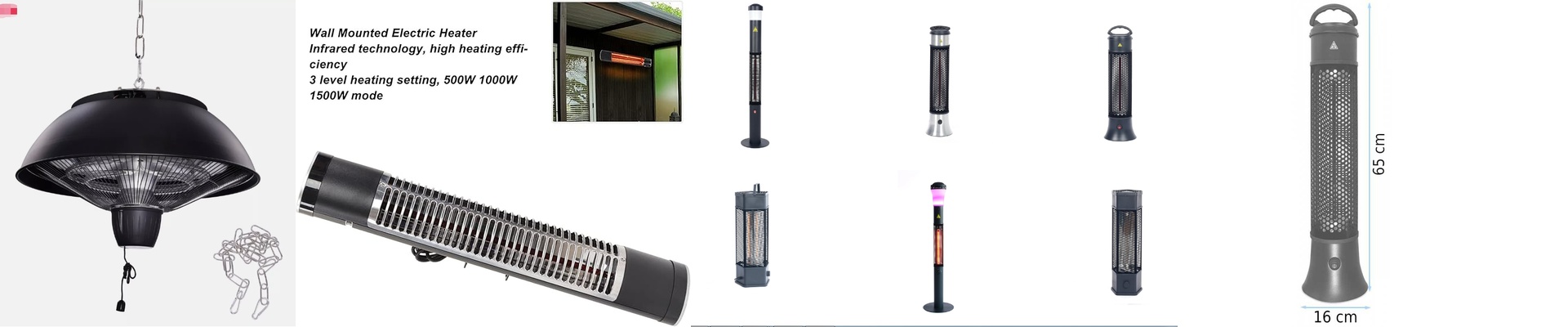
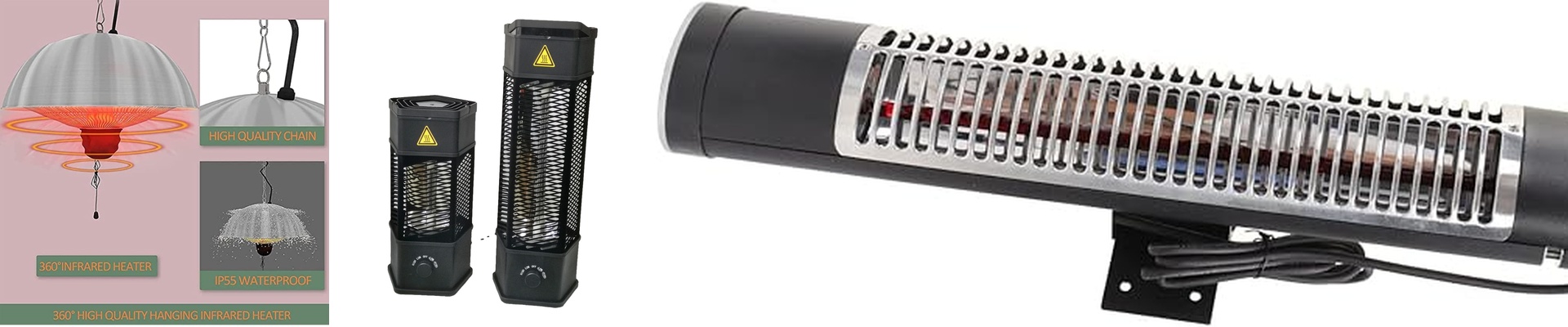
We usually go with short-wave IR quartz lamps. Why? Because they work fast. They don’t need a massive amount of space to get the glass up to temperature. You can tuck these lamps right into the nip roller assembly. That way, the glass gets a quick blast of heat seconds before the break. Simple.
The tricky part
Now, you can’t just crank the heat to max and walk away. If you’re working with thick glass, you need high wattage, but that brings its own headache: heat management. If the lamps are too close or just too hot, you’ll end up with “hot spots.” Ironically, uneven heating can create its own stress, which puts you right back where you started with the chipping. The secret is in the tuning. You need decent cooling fans and a PID controller that actually keeps the temperature steady. Once you get that window dialed in, the guesswork disappears. You stop fighting the glass and start actually controlling it.